
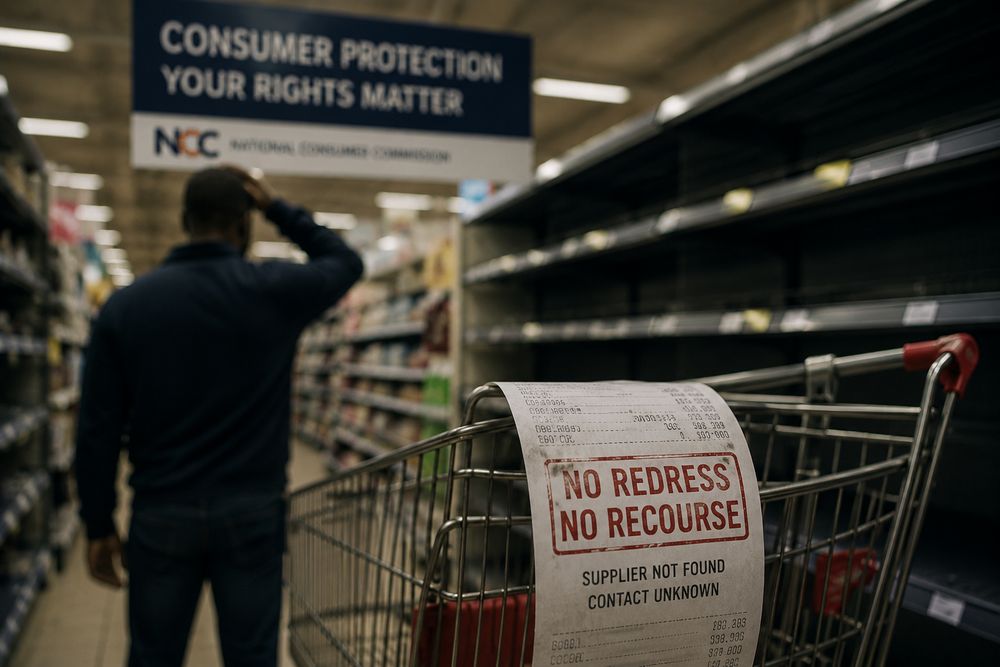
In the fast-evolving landscape of consumer rights and protection, a significant challenge looms for South African shoppers: the rise of untraceable suppliers. Despite the efforts of the National Consumer Commission (NCC) to bolster enforcement against unscrupulous traders, a recent report reveals a concerning gap in public awareness regarding consumer protection mechanisms. As the NCC intensifies its crackdown on these elusive suppliers, it’s vital for consumers to understand their rights and the measures in place to shield them from fraud.
The NCC’s commitment to consumer protection has gained momentum, particularly following the results of a 2021 study commissioned by the regulator. This research, conducted by the Human Sciences Research Council (HSRC), highlighted a disturbingly low level of public engagement with formal consumer protection channels among South Africans. Only a meager 3% of adults reported having any direct or indirect interaction with the NCC, and over half of the population remained unaware of the institution’s existence. Alarmingly, just 11% of respondents felt knowledgeable enough about the NCC or the Consumer Protection Act (CPA) to explain it to others.
The implications of these findings are profound, especially when considering the regions where awareness is particularly lacking. Provinces such as Limpopo, Mpumalanga, North West, and the Eastern Cape exhibited especially low levels of consumer knowledge. Moreover, the study underscored a stark divide in consumer awareness based on socioeconomic factors, with wealthier and better-educated individuals far more likely to engage with formal complaint systems.
The ramifications of untraceable suppliers are significant. Recently, the NCC identified an additional 20 businesses that have accepted payments from consumers only to vanish without delivering goods or services. This trend leaves many consumers in a precarious situation, often with no viable means to seek redress. The NCC has emphasized the urgency of this issue, noting that these suppliers frequently shut down their websites or cease communication altogether, leaving consumers stranded and without recourse.
In response to these alarming developments, the NCC has bolstered its enforcement activities against the supply and distribution of illicit goods and illegal imports. The latest quarterly performance report revealed that the NCC issued 51 compliance notices to various suppliers, distributors, and importers found in violation of the CPA and related regulations. This enforcement effort encompassed a range of businesses, from supermarkets to butcheries, demonstrating the NCC’s commitment to ensuring a fair and transparent marketplace for consumers.
Beyond immediate enforcement actions, the NCC has outlined a strategic plan for the years 2025-2030 that prioritizes addressing scams and Ponzi schemes as part of its enforcement agenda. The rise of untraceable suppliers falls within this broader context of consumer protection, as the NCC aims to safeguard the rights of shoppers across South Africa.
For investors and traders, the implications of these developments extend beyond mere consumer protection. A marketplace characterized by transparency and compliance can foster a healthier business environment, ultimately benefiting legitimate traders and investors. On the flip side, the prevalence of untraceable suppliers can erode consumer trust, affecting overall market dynamics and investor confidence.
Key takeaways from this situation include the importance of consumer awareness and engagement. As the NCC intensifies its efforts to combat fraudulent practices, consumers must equip themselves with knowledge about their rights and the mechanisms available for seeking redress. Understanding the Consumer Protection Act and staying informed about reputable suppliers are essential steps for safeguarding oneself against fraudulent activities.
In conclusion, the challenge posed by untraceable suppliers is a pressing issue that requires collective action from both consumers and regulatory bodies. The NCC’s ongoing efforts to enforce compliance and protect consumer rights are commendable, but they must be complemented by increased public awareness and engagement. As consumers become more informed, they can navigate the marketplace more confidently, contributing to a fairer and more transparent economic environment. Ultimately, a vigilant consumer base is a vital component of a robust marketplace, fostering trust and accountability among suppliers and enhancing the overall shopping experience in South Africa.