
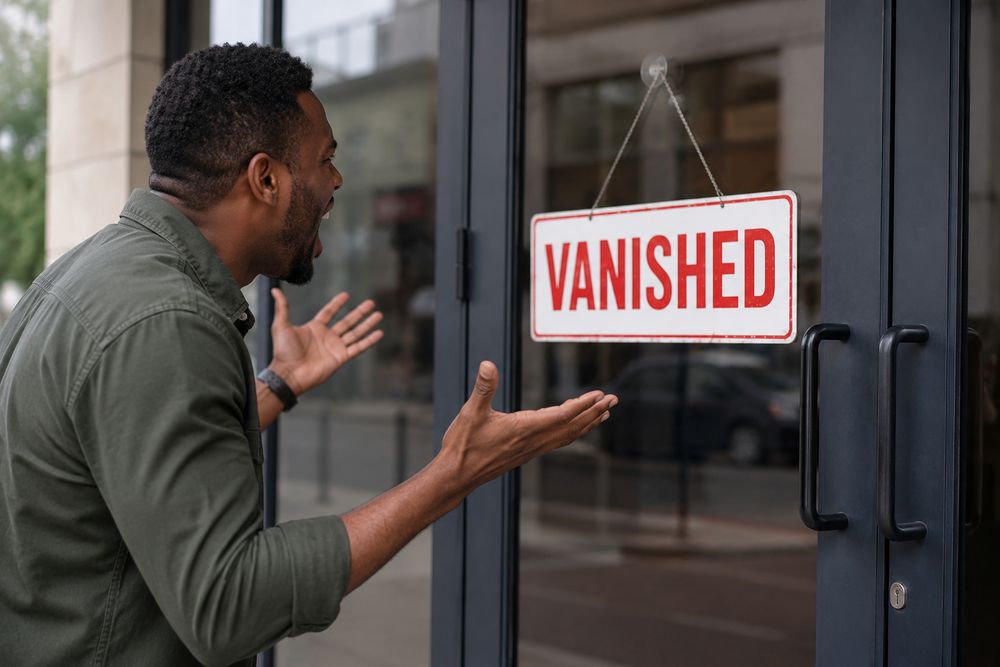
In today’s fast-paced economy, the rise of online shopping has brought with it an alarming trend: the sudden disappearance of suppliers after they have accepted payments. Recent warnings from the National Consumer Commission (NCC) in South Africa highlight a growing crisis where consumers find themselves powerless to enforce refunds, returns, or complaints against businesses that vanish without a trace. This issue raises important questions about consumer rights and protections in a marketplace increasingly dominated by digital transactions.
The phenomenon of suppliers going missing after taking payment is not just a minor inconvenience; it poses serious risks for consumers who may find themselves stranded after paying deposits or upfront fees. When a business disappears before delivering goods or completing services, the repercussions can be far-reaching. Consumers suddenly face challenges such as the inability to reverse payments, return defective products, or even ascertain where their money has gone. This unsettling reality has led to mounting frustration as consumers discover that traditional avenues for complaint resolution are blocked when businesses shut down their websites or stop answering calls.
The NCC has recently added another 20 suppliers to their list of “untraceable suppliers,” which now includes businesses across various sectors, such as auto parts, furniture, renewable energy, and car dealerships. This growing list serves as a stark reminder of the vulnerability that consumers face in a landscape where some suppliers may engage in deceptive practices. The NCC’s warnings emphasize that once suppliers become unresponsive or untraceable, consumers are often left without any means to seek redress.
A significant aspect of this issue lies within the framework of the Consumer Protection Act (CPA). The CPA is designed to safeguard consumers from unfair and deceptive trade practices, but its effectiveness hinges on the ability of suppliers to remain contactable. When a business vanishes, the legal protections that consumers rely on become almost meaningless. The NCC has indicated that this conduct is not merely a sign of poor business practices but rather a deliberate attempt by some suppliers to evade accountability and rob consumers of their hard-earned money.
Furthermore, the commission has reported instances where unscrupulous online suppliers impersonate legitimate businesses, further complicating the landscape for consumers. Some of these entities neglect to provide accurate contact details or proper addresses, making it nearly impossible for consumers to reach out for support or return incorrect orders. This lack of transparency raises serious concerns about the integrity of online trading platforms and the need for robust regulatory oversight.
Key takeaways from this situation include the necessity for consumers to exercise caution when engaging with suppliers, particularly those operating online. Verifying the legitimacy of a business before making a purchase can go a long way in safeguarding one’s finances. Consumers should also be aware of their rights under the CPA, which aims to protect them from unfair trading practices.
For traders and investors, the implications of such supplier behaviors extend beyond consumer rights. The emergence of untraceable suppliers can lead to a lack of trust in the marketplace, potentially affecting the overall health of various industries. Investors should pay attention to businesses that prioritize transparency and customer service, as these qualities can indicate a commitment to ethical practices. Moreover, companies that construct robust systems to handle complaints and refunds may stand out in the eyes of consumers and investors alike.
To conclude, the disappearance of suppliers after accepting payments poses a significant risk for consumers, highlighting the urgent need for improved consumer protections and accountability in the marketplace. As the landscape of shopping evolves, it is crucial for consumers to remain vigilant and informed about their rights. The NCC’s ongoing efforts to track down untraceable suppliers signify the importance of accountability in business practices, reminding us that the fight for consumer rights is far from over. In an age where convenience often trumps caution, maintaining awareness and exercising due diligence can help consumers navigate the complexities of modern commerce and safeguard their financial well-being.