
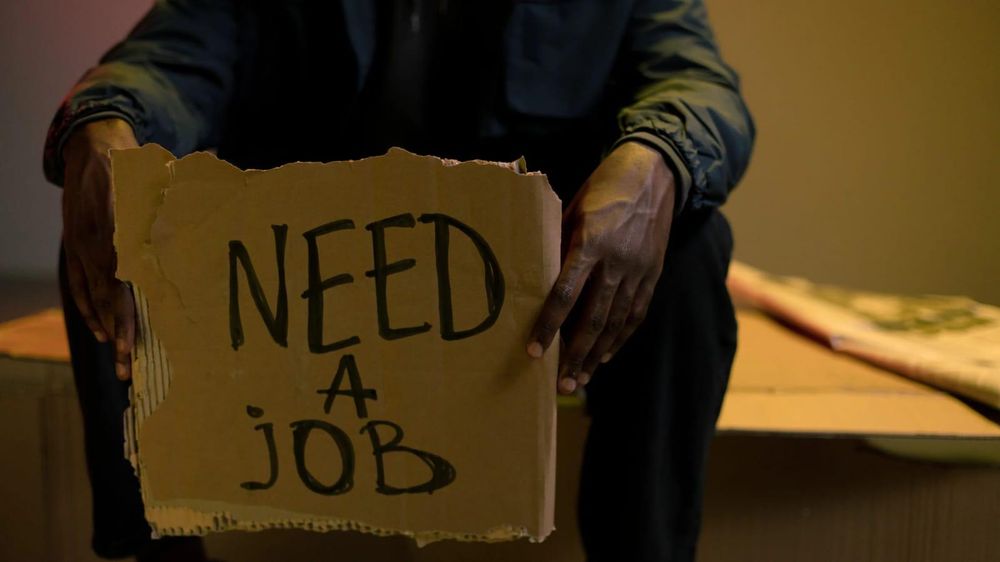
As South Africa gears up to celebrate Youth Month, the nation’s youth unemployment crisis looms larger than ever, with staggering statistics revealing that nearly 46% of young people are currently unemployed. This alarming figure has raised urgent questions about the future of a generation that is increasingly disillusioned and facing a bleak economic landscape. The stark reality is that the country’s overall unemployment rate has now reached 32.7%, further underscoring the challenges that young people encounter in their quest for stable, meaningful employment.
The youth unemployment crisis is not just a number; it represents the aspirations, dreams, and potential of millions of young South Africans who are struggling to find their footing in an economy that seems indifferent to their plight. As we approach Youth Month in June—a time dedicated to honoring the struggles and achievements of the youth—the need for a comprehensive and sustainable solution has never been more pressing.
Understanding the Current Landscape
The labor market in South Africa is in a precarious state, particularly for the youth. With almost half of the country’s young people unable to find work, it is clear that the economy is failing to absorb new entrants effectively. While there have been minor improvements in some sectors, such as manufacturing, these opportunities are often temporary or seasonal. This leaves many young individuals caught in a cycle of short-term employment that lacks the stability necessary for building a career.
A significant contributing factor to this crisis is the deep-seated structural inequalities within the economy. Young black women, in particular, are among the most vulnerable populations, facing barriers that hinder their economic participation. This historical disadvantage continues to manifest in high unemployment rates, exacerbating the challenges faced by these individuals.
The implications of rising youth unemployment extend beyond mere statistics; they represent a national crisis that threatens to undermine the social fabric of the country. As the youth of South Africa look toward the future, their hopes and dreams are overshadowed by the harsh realities of unemployment, poverty, and a lack of opportunities.
Key Points to Consider
1. **Youth Unemployment Rates**: Currently at nearly 46%, the youth unemployment rate reflects an urgent need for systemic change in how the economy engages with young job seekers.
2. **Economic Vulnerability**: Many young individuals find themselves in informal, unstable jobs that offer little security or room for growth, perpetuating a cycle of economic hardship.
3. **Structural Inequalities**: Marginalized groups, particularly young black women, face additional hurdles in accessing employment opportunities, highlighting the need for targeted interventions.
4. **Lack of Long-Term Solutions**: The absence of a coordinated plan from stakeholders, including the government, businesses, and civil society, has left many young people feeling hopeless.
5. **Impact of Economic Pressures**: Rising costs in various sectors, especially transportation, further complicate the challenges faced by youth in the gig economy.
Insights for Traders and Investors
For traders and investors, the youth unemployment crisis in South Africa serves as a critical indicator of economic health. Understanding the dynamics of youth employment can provide valuable insights into market trends, consumer behavior, and potential investment opportunities.
Investors should be wary of sectors that are heavily reliant on informal labor, as these areas may face instability due to economic pressures. Conversely, sectors that engage in youth training and development programs may present opportunities for long-term growth and sustainability. Companies that prioritize corporate social responsibility by investing in youth employment initiatives can also enhance their brand reputation while contributing positively to the economy.
Conclusion
The youth unemployment crisis in South Africa is a complex issue that requires immediate and sustained action from all sectors of society. As the nation prepares to commemorate Youth Month, it is crucial to recognize that this problem cannot be brushed aside or treated as a secondary concern. A coordinated response involving government, businesses, labor organizations, and civil society is essential to create meaningful and sustainable job opportunities for the youth.
Only through bold and innovative strategies that align education, skills development, and economic growth can South Africa hope to combat this crisis effectively. The future of an entire generation hangs in the balance, and it is imperative that all stakeholders come together to ensure that the hopes and dreams of young South Africans are not lost to unemployment and despair.