
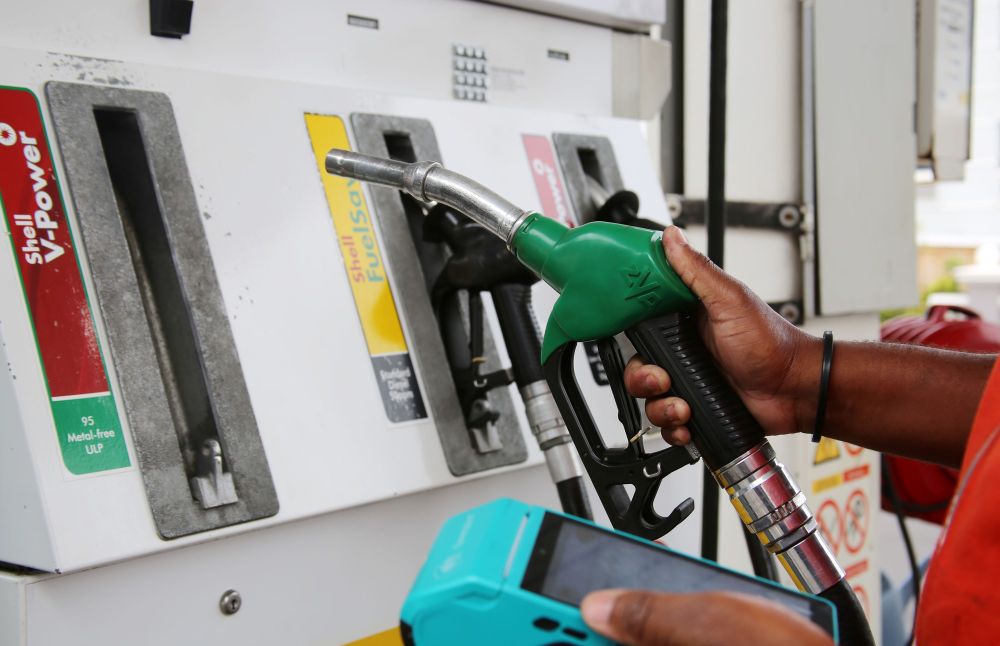
As South Africans brace for an unprecedented hike in fuel prices, the ripple effects on household budgets are poised to be significant. With petrol prices soaring by more than R3 per liter and diesel by over R6, the financial strain will extend well beyond the gas pump, affecting everything from grocery bills to transport costs. In this context, it is vital for consumers to adopt proactive financial strategies to manage their expenses effectively and avoid falling into the trap of debt.
The impending fuel price surge serves as a stark reminder of the interconnectedness of various economic factors. When fuel prices increase, it often leads to a chain reaction that drives inflation up, putting additional pressure on families that are already grappling with tight budgets. The risk is that many consumers may resort to using credit to bridge the financial gap, a move that can lead to deeper financial troubles down the line.
Understanding the difference between being approved for credit and maintaining real financial stability is crucial. Lenders assess creditworthiness based on current income and expenses, but this does not account for potential future increases in living costs. Households must take a more comprehensive view of their finances, particularly during times of economic uncertainty.
To mitigate the financial impact of rising fuel prices, consumers are encouraged to shift from a reactive to a defensive financial posture. This involves a conscious effort to reassess spending habits and make necessary adjustments before the full extent of the fuel price increase hits. Here are some practical strategies to help manage expenses during this challenging time:
1. **Evaluate Your Financial Cushion:** Consider the concept of real affordability. Ask yourself how your budget would hold up if fuel prices continued to rise or if food prices climbed significantly. If the answer indicates that you would need to rely on credit to cope with these increases, it’s time to make adjustments now rather than waiting for the crisis to escalate.
2. **Cut Discretionary Spending:** It may be necessary to trim non-essential expenses from your budget. This could involve reducing entertainment costs, dining out less, or postponing planned purchases. Redirect any savings into a financial buffer that can absorb additional costs in the coming months.
3. **Explore Cost-Effective Transportation Options:** Fuel is a controllable expense, and there are several strategies to manage it effectively. Carpooling, combining errands into a single trip, and utilizing public transportation when possible can significantly reduce fuel consumption. Additionally, consider negotiating the possibility of working from home to minimize commuting costs.
4. **Be Prepared for Future Increases:** Fuel price shocks are often not isolated events; they tend to occur in waves. Therefore, it’s wise to plan for the possibility of further increases. Reassessing your budget for potential scenarios, such as food prices rising by 10% or fuel prices increasing by R2, can provide insights into what adjustments are necessary to maintain financial stability.
5. **Avoid New Debt:** While it may be tempting to take on new credit to maintain your current lifestyle, this approach can lead to a cycle of debt that is difficult to escape. It’s essential to resist the urge to rely on loans or credit cards as a stopgap solution for rising costs.
For traders and investors, the current economic climate presents both challenges and opportunities. Rising fuel prices often indicate inflationary pressures that can affect market dynamics. Monitoring these trends can provide insights into potential investment strategies. For instance, sectors such as energy may experience volatility, while consumer goods companies might adjust their pricing strategies in response to increased operational costs. Staying informed about economic indicators can help investors make more informed decisions in a fluctuating market.
In conclusion, as South Africa faces a significant fuel price increase, it is crucial for consumers to take proactive steps to safeguard their financial well-being. By reassessing budgets, cutting unnecessary expenses, and preparing for potential future increases, households can create a buffer that helps them navigate the challenges ahead. The key takeaway is to shift from a reactive mindset to a defensive strategy, ensuring that small financial decisions made now can lead to greater stability in the future. As we have learned from past experiences, being prepared is essential, and taking action today can help avoid a more significant financial crisis tomorrow.