
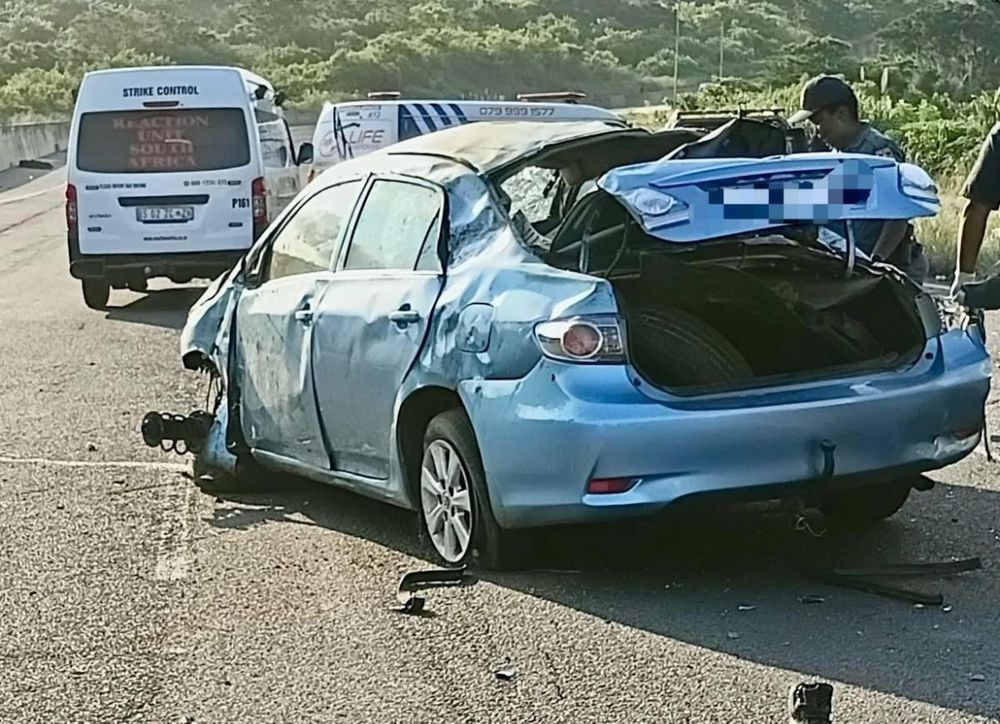
Car accidents are unpredictable events that can happen to even the most cautious drivers, leaving them feeling disoriented and overwhelmed. In the aftermath of a collision, adrenaline often kicks in, making it challenging to think clearly. However, the actions you take right after an accident are crucial not only for ensuring your safety but also for protecting your legal rights and making the claims process with your insurance smoother. This blog post outlines five essential steps every driver should take immediately following a car accident, aiming to empower you to respond effectively in such stressful situations.
First and foremost, your safety and that of your passengers should be your top priority. Once the shock of the collision begins to wear off, take a moment to assess if you or anyone else in your vehicle has sustained injuries. If your vehicle is still operational and it is safe to do so, move it out of the traffic flow to avoid further accidents. Activating your hazard lights and placing a warning triangle behind your car can alert other drivers to the situation, helping to prevent additional incidents. Staying calm during this chaotic time is essential; deep breaths can help clear your mind as you prepare for the next steps.
Next, if there are injuries or significant damage involved, do not hesitate to contact emergency services. In many jurisdictions, including South Africa, you are legally obliged to call the police if anyone is injured, if state-owned property is involved, or if the other party flees the scene. It’s important to remember that having the right insurance can play a significant role in this process. Many modern auto policies offer access to emergency roadside assistance and medical dispatch services, allowing you to receive professional help quickly.
Once safety is ensured and help is on the way, the next critical step is to document the scene of the accident thoroughly. In today’s digital age, your smartphone can serve as a valuable tool for collecting evidence. Before moving any vehicles or allowing them to be towed, take clear photos and videos of every angle of the accident scene. Capture the positions of all involved vehicles, the damage sustained, and any relevant environmental factors like road signs, skid marks, or weather conditions. This evidence will be invaluable when you file your claim with your insurer, as it can help reconstruct the events leading up to the accident.
Another important consideration is the exchange of information. While it is mandatory to share contact and insurance details with the other parties involved, it is crucial to avoid admitting guilt or liability at the scene. Even if you feel responsible, it is best to refrain from making any statements that could be interpreted as an admission of fault. Liability is determined based on a thorough examination of the available evidence, so it’s essential to let the professionals interpret the situation without any emotional statements complicating the matter.
Finally, reporting the accident to the authorities and notifying your insurance company is a necessary step that should not be overlooked. In South Africa, for instance, it is required by law to report the incident to the South African Police Service within 24 hours in order to obtain an Accident Report (AR) number. This number is crucial for processing any insurance claims. When contacting your insurer, provide them with all the details and evidence collected, as this will facilitate a more efficient claims process.
In summary, encountering a car accident can be a disorienting experience filled with emotions and uncertainty. However, by following these five essential steps—prioritizing safety, contacting emergency services, documenting the scene, exchanging information without admitting fault, and promptly reporting the incident to your insurer—you can protect your legal rights and streamline the claims process.
For traders and investors, understanding the financial implications of car accidents is equally important. The costs associated with accidents can be significant, affecting both personal finances and insurance premiums. This awareness can drive informed decisions regarding vehicle insurance and risk management strategies, ensuring that you are prepared for the unexpected.
In conclusion, while car accidents are unfortunate occurrences, being well-prepared can mitigate their impact. Every driver should familiarize themselves with these steps to enhance their safety and ensure a smoother claims experience. Remember, your actions immediately following an accident can significantly influence both your recovery and your financial well-being. Stay informed, stay safe, and drive responsibly.