
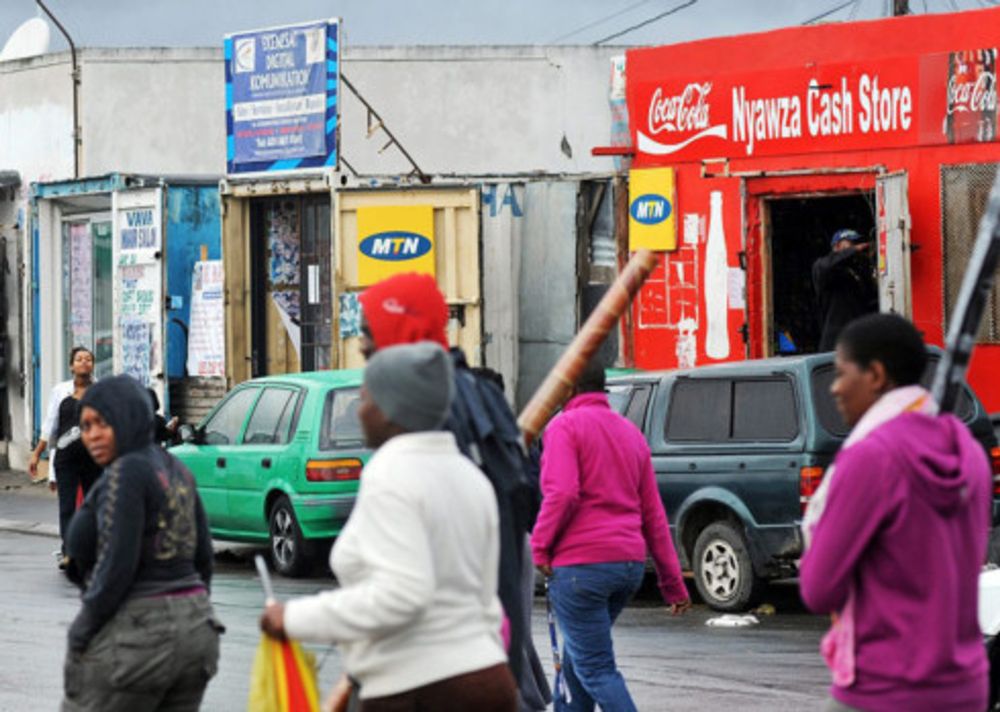
As South African consumers brace for yet another wave of financial challenges, the anticipated rise in fuel prices this May is set to exacerbate an already severe cost-of-living crisis. With food prices also on the rise and no imminent relief from interest rate cuts, many households are left grappling with the harsh realities of their financial situations. This blog post delves into the impending fuel price increases, the broader implications for the economy, and what consumers can do to navigate these turbulent waters.
The landscape for South African consumers is becoming increasingly precarious as the nation faces multiple economic pressures. In May, the price of fuel is expected to rise significantly, contributing to a cost-of-living crisis that shows no sign of easing. With inflation impacting food prices and interest rates remaining unchanged, consumers are feeling the weight of these compounding issues more than ever.
Fuel prices are not just a number on a price board; they serve as a barometer for the overall economic health of a country. As the global oil market experiences turmoil—exemplified by a recent surge in oil prices due to geopolitical tensions—the consequences are felt locally. The price of crude oil has climbed to around $111 per barrel, raising fears of further fuel price increases in South Africa. Analysts predict that petrol prices could increase by approximately R1.85 per litre, while diesel prices may see an even more alarming rise of R5.40.
The root cause of this price hike lies in South Africa’s dependency on imported fuel. As global oil prices rise, so too do the costs at the pump for consumers. Neil Roets, CEO of Debt Rescue, has expressed concern over the implications of these price increases on households, many of which are already struggling to meet their monthly expenses. According to Roets, the financial capability of consumers to absorb further increases is diminishing, leaving many families at breaking point.
The impact of rising fuel prices extends beyond just transportation costs. A recent report from the Pietermaritzburg Economic Justice and Dignity Group highlights that the cost of the household food basket has also risen, reflecting the interconnectedness of fuel prices and food inflation. In April, the cost of the food basket increased by R123.56, or 2.3%, bringing the total to R5,452.09. This increase illustrates how fuel costs influence food prices, as transportation and production expenses rise.
Key takeaways from this financial storm include the understanding that fuel prices directly affect the overall cost of living, creating a ripple effect that touches various sectors of the economy. Consumers should be aware that, while government interventions such as extended fuel levy relief may provide some short-term respite, they are not sufficient to fully shield households from the impending price shocks.
For traders and investors, these developments serve as critical indicators of economic instability. With rising costs impacting consumer spending, businesses may experience decreased sales, affecting stock performance and investment strategies. Investors should closely monitor the situation, particularly in sectors heavily reliant on consumer spending, such as retail and transportation.
Additionally, the geopolitical dynamics surrounding oil prices present both risks and opportunities in the energy sector. Traders might consider adjusting their portfolios to mitigate potential losses while seeking out investments in companies that could benefit from rising oil prices.
In conclusion, the anticipated increase in fuel prices is set to have far-reaching consequences for South African consumers, who are already contending with high levels of inflation and stagnant interest rates. As households prepare for the financial strain, it is essential for consumers to reassess their budgets and spending habits to navigate this challenging landscape. Meanwhile, traders and investors should remain vigilant, analyzing the implications for various sectors and adjusting their strategies accordingly. Ultimately, understanding the interplay between fuel prices and the broader economy will be crucial for both consumers and investors in the months ahead.