
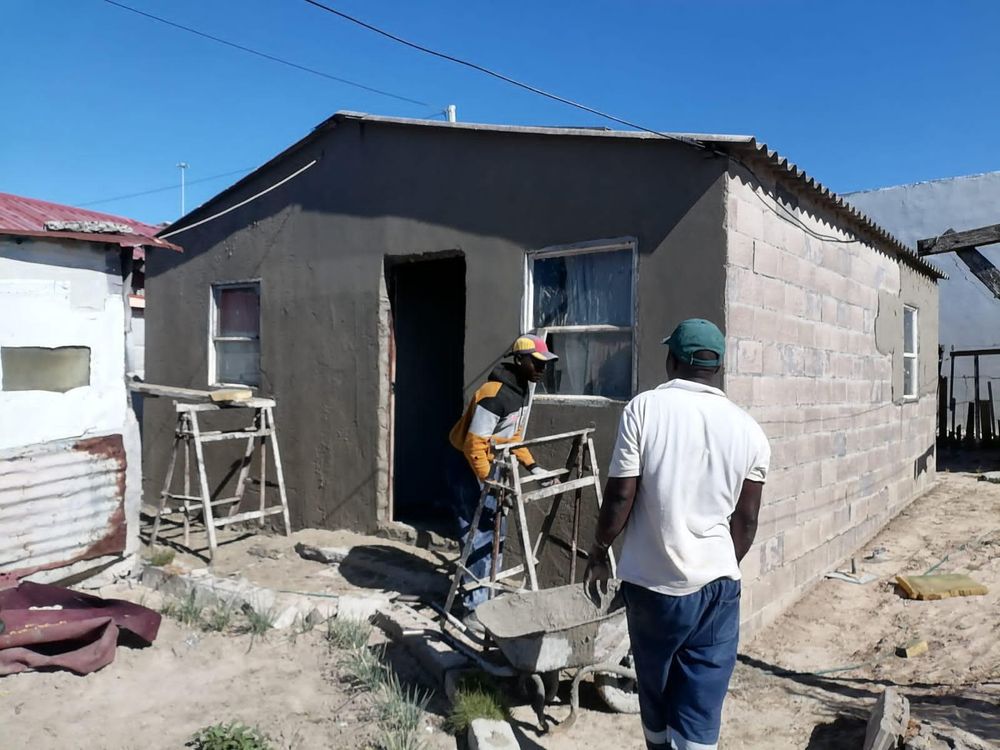
Embarking on the journey of building your dream home can be an exhilarating experience, but it comes with its fair share of challenges. In South Africa, where the average cost per square meter for constructing a home has nearly doubled over the past decade, careful planning and informed decision-making are paramount. As you navigate through this intricate process, understanding the key components of home building is crucial. This blog post will provide you with essential tips and expert insights to help you successfully construct your home while avoiding common pitfalls.
Building a home is not merely about erecting walls and a roof; it represents one of the most significant financial investments a family will ever make. Whether you’re a first-time builder or a seasoned renovator, establishing a solid foundation—both literally and figuratively—will set the stage for a successful construction journey. Here are some critical factors to consider to ensure your home-building project runs smoothly.
To begin with, having a clear and comprehensive building plan is vital. This plan should reflect not only your immediate needs but also your long-term vision for the property. While it might be tempting to dive into construction right away, a structured plan will help you avoid costly mistakes and misunderstandings later on. This is especially important if the project will be executed in phases; even then, a roadmap will ensure that each stage aligns with your ultimate goals.
Once your building plan is in place, the next step is to secure the necessary approvals from local authorities. It’s crucial to ensure that your plans comply with all regulations and receive the green light from the relevant municipality before commencing any construction activities. Failure to do so can lead to legal complications and may jeopardize your insurance coverage in case of unforeseen events. Being proactive at this stage can save you from significant hassles down the line.
Another essential aspect to consider is the condition of the land on which you plan to build. Conducting a thorough assessment of the soil and overall site conditions is a fundamental step that should not be overlooked. The foundation of your home needs to be designed and constructed with care, taking into account the unique characteristics of the soil. Neglecting this step can result in structural issues, such as cracking or settling, which can compromise the safety and longevity of your home.
When it comes to materials, quality should always take precedence over cost. While it may be tempting to opt for cheaper options, using substandard materials can lead to more significant expenses in the future due to repairs and safety risks. Remember that what seems like a temporary savings can quickly spiral into a long-term financial burden. Investing in high-quality materials from the outset will pay dividends in terms of durability and peace of mind.
As many South Africans are opting for incremental building or extensions, it’s essential to consider your future needs when designing your home. While this approach allows for flexibility and affordability, it can also pose risks if not managed correctly. Adding to your home without a long-term plan can strain the original structure and lead to complications. It is vital to ensure that any future additions are well-integrated into the existing framework, especially concerning load-bearing elements.
Professional advice is invaluable throughout the construction process. Engaging with qualified builders and engineers is essential before making any significant changes, such as enclosing spaces or altering load-bearing walls. Even seemingly minor modifications can have far-reaching consequences if not properly evaluated. Consulting with experts helps ensure that your decisions are sound and that your home remains structurally sound.
Lastly, understanding your insurance policy is critical. Insurance is designed to cover unforeseen events such as natural disasters or accidents, but it typically does not cover construction defects. Familiarize yourself with your policy’s coverage limits and exclusions to ensure you are adequately protected as your home takes shape.
In conclusion, building your dream home in South Africa can be a rewarding endeavor if approached with careful planning and an informed mindset. By following these essential strategies, you can navigate the complexities of home construction and create a space that meets your needs and stands the test of time. Keep in mind that investing time and resources at the beginning of the process will save you from costly mistakes later on and ultimately lead to a successful build. Embrace the journey, and you’ll find that your dream home is well within reach.