
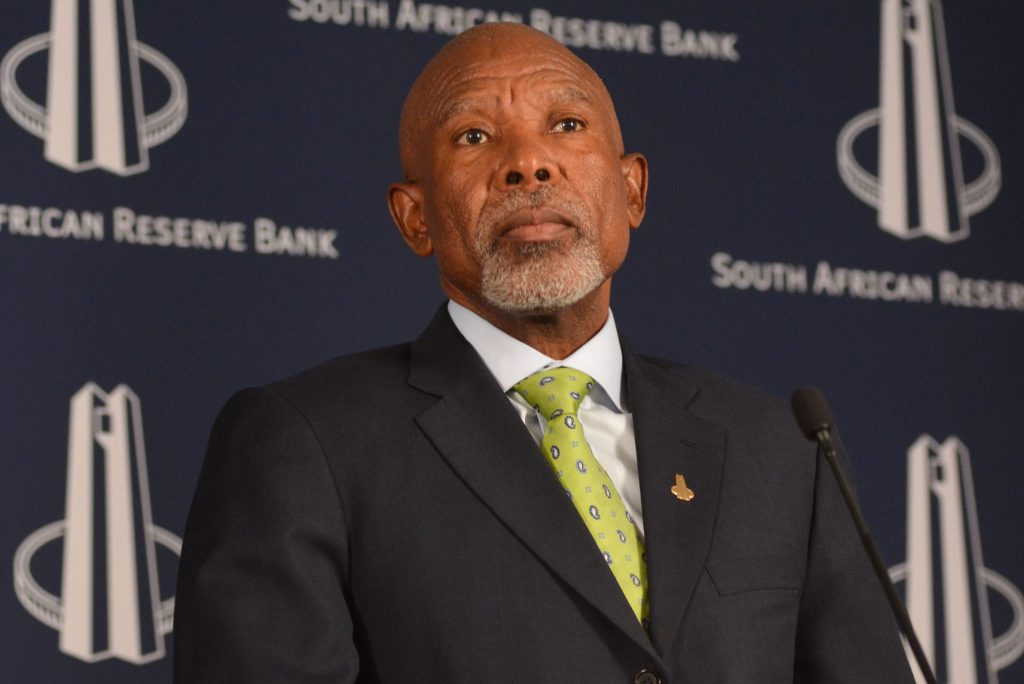
As the world continues to grapple with geopolitical unrest, South Africa is preparing for a significant monetary policy decision that could have lasting implications for its economy. The South African Reserve Bank’s Monetary Policy Committee (MPC) is convening this week, marking its second meeting since the outbreak of conflict in the Middle East. This blog post will delve into the factors influencing the MPC’s decisions, the current economic climate, and what traders and investors should consider as they navigate these turbulent waters.
In recent months, the landscape for South Africa’s economy has become increasingly complex, largely influenced by external factors such as the ongoing conflict in the Middle East. The situation has led to disruptions in the Strait of Hormuz, a critical artery for global oil and gas supplies, resulting in elevated energy prices that have a cascading effect on various sectors. The recent uptick in consumer inflation is a testament to these pressures, with headline inflation jumping from 3.1% in March to 4% in April, primarily driven by soaring transport costs.
The MPC’s role is crucial in this context, as it seeks to evaluate the implications of these inflationary pressures and the potential for a sustained impact on the broader economy. Economists, such as those at FNB, have noted that the ramifications of rising energy costs extend beyond immediate price increases at the pump. They express concern that these costs will ripple through the economy, affecting prices for a wide array of goods and services. As a result, inflation expectations for 2026 are being revised upwards, indicating a growing consensus that the situation may not stabilize as quickly as once hoped.
One of the most pressing challenges facing the MPC is the possibility of second-round effects from the current geopolitical events. With many analysts predicting that the conflict will persist, the MPC must consider how quickly it can tighten monetary policy to mitigate the inflationary effects while also maintaining its credibility. The central bank’s previous efforts to manage inflation—successfully targeting adjustments from 2017 to 2020—will serve as a reference point for its future actions.
FNB’s analysis suggests that the MPC will likely signal a more aggressive stance on interest rates during this meeting. The key question is not whether the central bank will implement a rate hike, but rather how swiftly it will act. The inflationary pressures are not expected to dissipate soon, and the MPC must balance its response to ensure that it does not undermine its inflation-targeting credibility.
Patrick Buthelezi, an economist at Sanlam Investments, echoes this sentiment, emphasizing the need for the Sarb to defend its newly adopted inflation target of 3%. The Global Supply Chain Pressure Index, which has reached its highest level since the onset of the Ukraine conflict, is indicative of growing inflation concerns across the globe. Buthelezi expects the MPC to respond with a rate hike aimed at curbing these effects, although he does not foresee the beginning of an aggressive rate-hiking cycle.
For traders and investors, the implications of these developments are multifaceted. A potential rate hike could strengthen the South African rand, as higher interest rates often attract foreign investment seeking better returns. Conversely, sustained inflation could erode purchasing power and impact consumer spending, posing risks to economic growth. Investors should remain vigilant, monitoring geopolitical developments and their ramifications for global supply chains and energy prices, as these factors will undoubtedly influence monetary policy decisions.
In conclusion, the MPC’s upcoming meeting is set against a backdrop of global uncertainty and rising inflationary pressures. As the committee assesses the implications of external conflicts on South Africa’s economy, its decisions will play a pivotal role in shaping the country’s monetary policy landscape. Traders and investors must stay informed and agile, as the interplay between geopolitical events and domestic economic policy will continue to dictate market dynamics in the near future. The path ahead may be fraught with challenges, but understanding the nuances of these developments can provide valuable insights for navigating the financial landscape.