
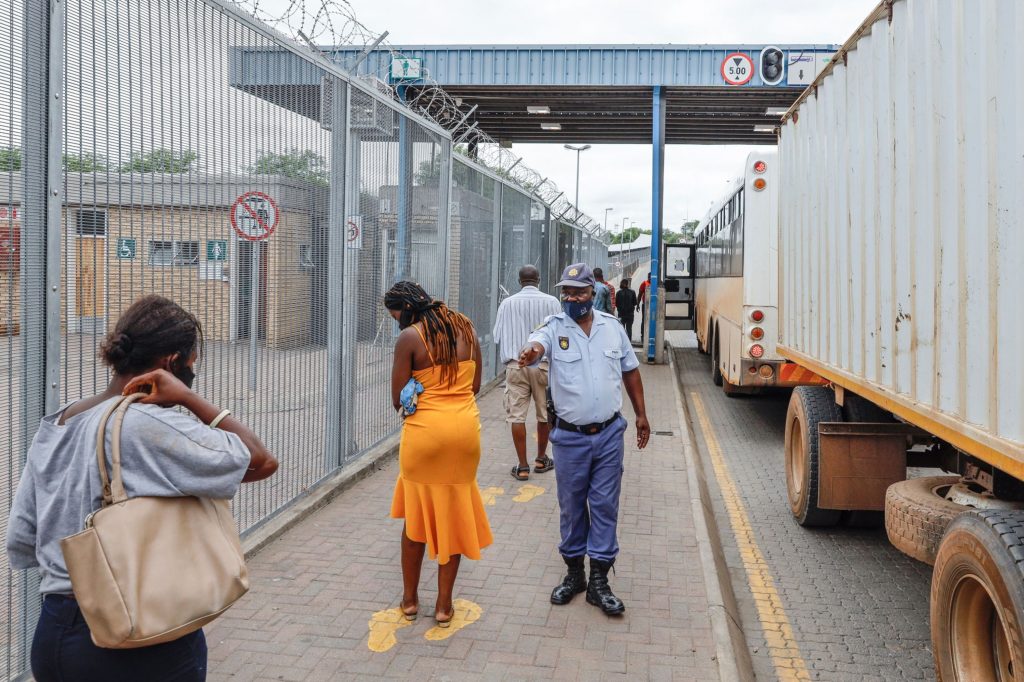
In a significant move to tackle the rising tide of anti-foreigner sentiment and address the ongoing economic challenges, leaders of the Southern African Development Community (SADC) have committed to enhancing regional integration. This initiative reflects a growing recognition among member states that collaborative efforts are essential for addressing not only illegal migration but also the broader socioeconomic issues affecting the region.
The recent discussions among SADC leaders, held at a retreat in Kruger National Park, emphasized the need for innovative solutions to complex problems that have been exacerbated by high unemployment rates and overstretched public services. The urgency of these issues has led to increased anti-immigrant protests in South Africa, raising questions about the stability and social cohesion within the region. Amidst this backdrop, the SADC’s approach focuses on leveraging technology, creating special economic zones, and bolstering economic resilience.
One of the primary strategies agreed upon by the SADC leaders is the enhanced use of technology at border crossings. This move is aimed at streamlining processes and reducing illegal migration, which has become a contentious issue in South Africa. By implementing advanced border management systems, SADC countries hope to ensure more efficient movement of goods and people while maintaining security. The idea is that technology can act as both a deterrent to illegal activities and a facilitator of legitimate cross-border trade.
In addition to technological enhancements, the leaders discussed the establishment of cross-country special economic zones (SEZs). These zones are envisioned as hubs of economic activity that would catalyze job creation and stimulate growth across member states. Ronald Lamola, South Africa’s Minister of Foreign Affairs, highlighted the importance of these initiatives, stating that they provide a pathway to address the pressing economic challenges facing the region. By fostering cooperation between nations, SEZs can help to create a more integrated and resilient economy that benefits all member states.
The need for these measures is underscored by the current economic climate in the region. Many countries within the SADC are grappling with the impacts of external events, such as the ongoing conflict in Iran, which has led to soaring energy prices. As importers of oil and fertilizers, these nations are facing increased import bills that put additional strain on their already fragile public finances. The situation is further complicated by rising inflation, currency fluctuations, and heightened risks to food and energy security.
Given these challenges, SADC leaders have recognized the importance of enhancing domestic resource mobilization and improving public debt management. Elias Magosi, the executive secretary of SADC, stressed that these strategies are crucial for ensuring that member states can sustain their economic recovery efforts in the face of external shocks. By focusing on better management of resources and public finances, SADC countries aim to build a more resilient economic framework that can withstand future challenges.
For traders and investors, the developments within the SADC present both opportunities and risks. On one hand, the establishment of SEZs could lead to increased investment in infrastructure and job creation, potentially boosting economic growth in the region. Investors looking for entry points in emerging markets may find that the SADC’s efforts to foster regional integration create a more favorable business environment.
Conversely, the anti-foreigner sentiment and social unrest in South Africa could pose risks to investment stability. Investors must remain vigilant and consider the potential impacts of political and social dynamics on their ventures in the region. As countries work to navigate these challenges, it will be essential for stakeholders to stay informed about the evolving landscape and adapt their strategies accordingly.
In conclusion, the commitment of SADC leaders to deepen regional integration marks a proactive approach to addressing both immediate and long-term economic challenges in Southern Africa. By harnessing technology, establishing special economic zones, and improving resource management, these nations are taking significant steps toward creating a more stable and prosperous future. As the situation continues to evolve, it will be crucial for investors and traders to closely monitor developments and remain agile in their strategies to capitalize on emerging opportunities while mitigating risks. The path forward may be complex, but collaboration and innovation will be key to overcoming the hurdles ahead.