
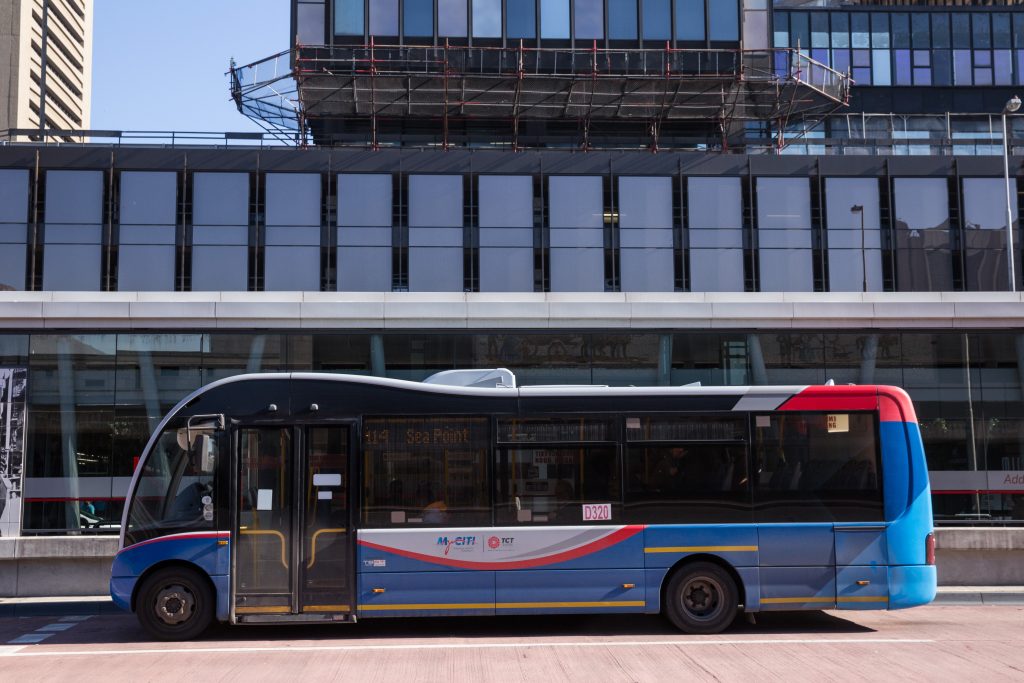
In a move that may impact the daily commute of thousands, Cape Town’s MyCiTi public bus service is contemplating a fare increase of at least 32% starting in July 2026. This potential adjustment comes in the wake of surging diesel prices driven by volatile global oil markets. As the city navigates these financial pressures, it has made it clear that the adjustment hinges on the diesel price set by the Department of Mineral and Petroleum Resources, which will be announced in early June. This situation reflects broader economic challenges that are not only affecting Cape Town but also reverberating through many countries facing similar pressures.
The decision to potentially increase fares is not taken lightly. According to local officials, the city has been absorbing the escalating costs associated with diesel since March, aiming to shield commuters from the full brunt of these increases. However, this financial cushioning may no longer be feasible as the city braces for what could be even higher fuel prices in the coming months. This context is particularly critical as global geopolitical tensions, notably conflicts in the Middle East, have led to increased energy and commodity prices, creating a ripple effect across various sectors.
For those unfamiliar with the MyCiTi service, it serves as a vital component of Cape Town’s public transportation network, providing affordable and reliable transport for residents and visitors alike. The service has garnered a reputation for being a cost-effective alternative to private vehicle use, with fares that are generally lower than those of taxis and other bus services. Even with a potential fare increase, city officials maintain that MyCiTi will still offer competitive pricing for long-distance commuters.
Key considerations surrounding the fare adjustment include the following:
1. **Current Diesel Prices and Forecast**: The city’s fare structure is directly influenced by diesel prices, which are expected to remain high due to ongoing geopolitical uncertainties. The forthcoming announcement regarding diesel pricing will play a crucial role in determining the exact fare increase.
2. **Impact on Vulnerable Communities**: Rising transport costs can disproportionately affect low-income individuals and families. The city acknowledges this challenge and is making efforts to keep MyCiTi affordable, especially for those who rely on public transport as their primary means of commuting.
3. **Involvement of Local Governance**: The proposed fare increase will be reviewed by the city council, with discussions set for May 27, 2026. This process underscores the importance of community engagement and transparency in public transportation policymaking.
4. **Broader Economic Implications**: The potential fare hike is both a local issue and part of a larger narrative concerning global energy markets. The conflict in the Middle East has not only impacted oil prices but also the costs of food and other essential commodities, creating a challenging environment for consumers worldwide.
For traders and investors, the situation presents an opportunity to analyze the impacts of geopolitical events on local economies and transportation sectors. Understanding how fluctuating fuel prices influence public transport costs can provide insights into consumer behavior and spending patterns. Moreover, it highlights the importance of monitoring international events that can have direct implications for local markets.
In conclusion, while Cape Town’s MyCiTi bus service remains a valuable asset for many commuters, the looming fare increase raises critical questions about affordability and accessibility in public transport. As the city grapples with external pressures from the global oil market, it is essential for residents to stay informed about potential changes that could affect their daily lives. The city’s commitment to transparency and advance notification of fare changes is a positive step in allowing commuters to prepare for these adjustments. As the situation evolves, both the local government and the community must work together to ensure that public transportation remains a viable option for all, even amid rising costs.