
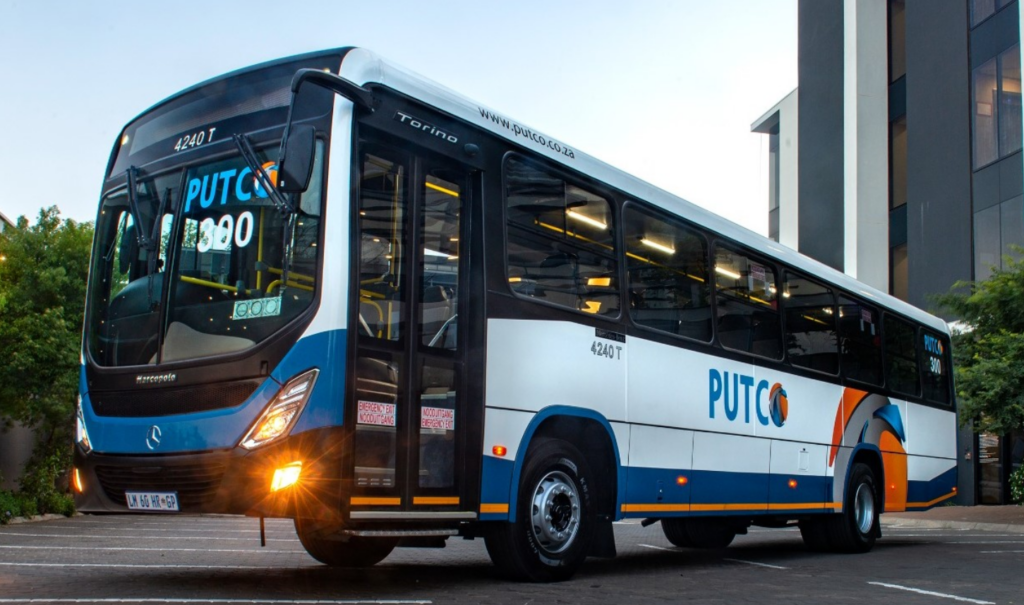
In a recent ruling that underscores the financial struggles faced by public transport in South Africa, the Gauteng Department of Roads and Transport has been mandated to pay the commuter bus company Putco a staggering R154.4 million. This decision, handed down by the High Court in Pretoria, highlights not only the ongoing turmoil in the funding of public transport services but also raises critical questions about the management of budgets and obligations within the government.
The essence of this ruling stems from a series of contracts established between Putco and the Gauteng Department. These agreements, which were signed back on June 30, 2023, were aimed at providing subsidized bus services across Gauteng and Mpumalanga. In an urgent application, Putco sought payment for services rendered during February and part of March 2026, arguing that the lack of payment was jeopardizing their operations and the livelihoods of the commuters who rely on their services daily.
At the core of the court’s decision was Judge Anthony Millar’s acknowledgment of the critical role that Putco plays in the lives of approximately 130,000 commuters each day. These individuals use Putco’s services not just for convenience, but as a vital means to access employment, education, healthcare, and other essential activities. The judge pointed out that any disruption to these services would have severe repercussions, not only financially for Putco but also for the commuters who depend on them.
Despite the department’s claims of budgetary constraints leading to their failure to meet payment obligations, Judge Millar emphasized that these contracts had been established almost three years prior. He remarked that while budgetary challenges may have been valid concerns in 2023, they should have been addressed in the subsequent budget cycles. The court found no clear explanation as to why the Gauteng Department did not allocate sufficient resources to fulfill its commitments to Putco and the communities that depend on its services.
Furthermore, the judge criticized the Gauteng Department’s passive approach to managing its financial obligations, noting that Putco had been compelled to seek legal intervention repeatedly. This pattern of behavior, according to Millar, not only burdened Putco with unnecessary legal costs but also indicated a systemic failure within the department to adhere to its responsibilities. The court’s issuance of a punitive costs order against the Gauteng Department serves as a stark reminder of the consequences of neglecting obligations in public service.
Key takeaways from this ruling extend beyond the immediate financial implications for the Gauteng Department. Firstly, it highlights the critical importance of reliable public transport systems in urban areas, especially in regions where many citizens lack private transport options. Secondly, it raises awareness about the need for governmental bodies to proactively manage budgets and ensure that financial allocations are adequate to meet their contractual obligations.
For traders and investors, this ruling may signal potential opportunities and risks within the public transport sector. The persistent financial disputes between the Gauteng Department and Putco could impact investor confidence in similar public-private partnerships. Investors should be cognizant of the financial health of transport service providers and the stability of their contracts with government entities, as these factors will likely influence the profitability and viability of such companies.
In conclusion, the recent court ruling mandating the Gauteng Department of Roads and Transport to pay Putco R154.4 million is a pivotal development in the ongoing saga of public transport funding in South Africa. It serves as a stark reminder of the critical role that effective financial management plays in ensuring the sustainability of essential services. As both governments and service providers navigate these challenges, the lessons learned from this situation will hopefully lead to improved practices and a more robust public transport system that can better serve the needs of the communities it aims to support.