
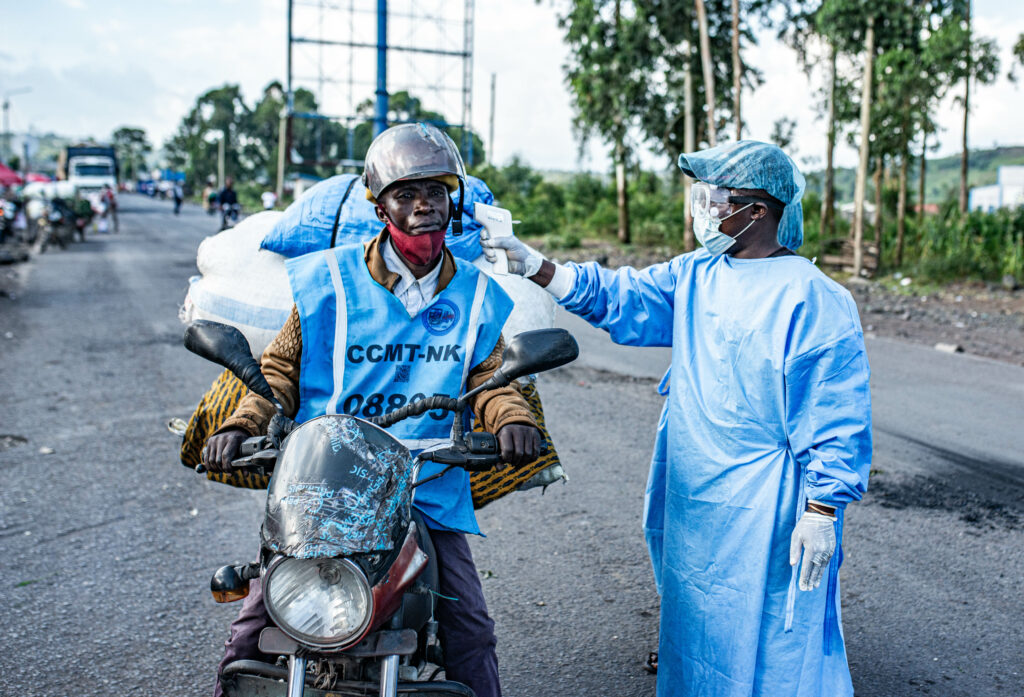
The Democratic Republic of Congo (DRC) is currently facing a dire situation, as an Ebola outbreak continues to wreak havoc in its eastern provinces. With more than 200 reported deaths and over 900 suspected cases, this health crisis is compounded by the region’s ongoing conflict and instability. As the situation escalates, it raises significant concerns not only for the residents of the DRC but also for neighboring countries and international health organizations.
The current Ebola outbreak in the DRC has highlighted the complex interplay between health crises and societal stability. The country, particularly its eastern provinces, has long been plagued by violence, armed conflicts, and a lack of trust in health authorities. These factors have severely hindered efforts to contain the outbreak, making it one of the most challenging responses in recent history. Health ministry data from late May revealed that the outbreak has spread across 11 health zones, with confirmed cases concentrated in Ituri province, an area where nearly 5 million people live under constant threat from armed groups.
The DRC’s health infrastructure is fragile at best. Surveillance systems are often overwhelmed, and health workers face significant challenges in tracking and managing potential cases of Ebola. According to reports, only about 20% of identified contacts can be followed up on in a single day. The violence in the region has not only forced civilians to flee but has also driven health and humanitarian workers away, further complicating the response to the outbreak. World Health Organization (WHO) Director-General Tedros Adhanom Ghebreyesus emphasized the critical impact of this violence, stating that it severely limits the capacity for early identification and supportive care for those infected with the virus.
As the outbreak unfolds, we see the emergence of public unrest. In one incident, angry residents stormed a hospital treating Ebola patients in Mongbwalu after authorities refused to release bodies for burial due to infection risks. Such incidents illustrate the deep mistrust among the population, which can lead to dangerous consequences for containment efforts. Previous outbreaks have shown that misinformation and fear can exacerbate health crises, and the DRC is no exception.
The regional implications of the outbreak are alarming. With porous borders and high mobility among populations, ten African countries are now considered at risk of Ebola transmission. The Africa Centres for Disease Control and Prevention has raised concerns over the possibility of cross-border spread due to the active mining corridors and large movements of people in the region. Neighboring Uganda has already reported confirmed cases linked to the DRC outbreak, underscoring the need for coordinated regional responses.
Compounding the crisis is the fact that the current outbreak is driven by the Bundibugyo strain of Ebola, which lacks approved vaccines or effective antibody treatments. The WHO declared the epidemic a public health emergency of international concern on May 17, indicating the seriousness of the situation and the urgent need for global support and intervention.
Key points to take away from this outbreak include the profound impact of local conflict on health crises, the critical need for trust between health authorities and communities, and the importance of regional collaboration to manage cross-border health threats. The experiences from the DRC serve as a cautionary tale for other regions facing similar challenges.
For traders and investors, the implications of such health crises can be significant. While the immediate focus should be on humanitarian aid and public health efforts, the long-term economic impact of such outbreaks can disrupt local markets and influence investment decisions. It is crucial for stakeholders to stay informed about the evolving situation, as health crises can lead to shifts in policy, trade, and international relations.
In conclusion, the Ebola outbreak in the Democratic Republic of Congo is a complex crisis that necessitates urgent action and collaboration. As health systems struggle under the weight of violence and mistrust, the international community must respond with support and resources to help contain the virus and protect vulnerable populations. The lessons learned from this outbreak can inform future responses to similar health emergencies, emphasizing the importance of stability, trust, and collaboration in safeguarding public health.