
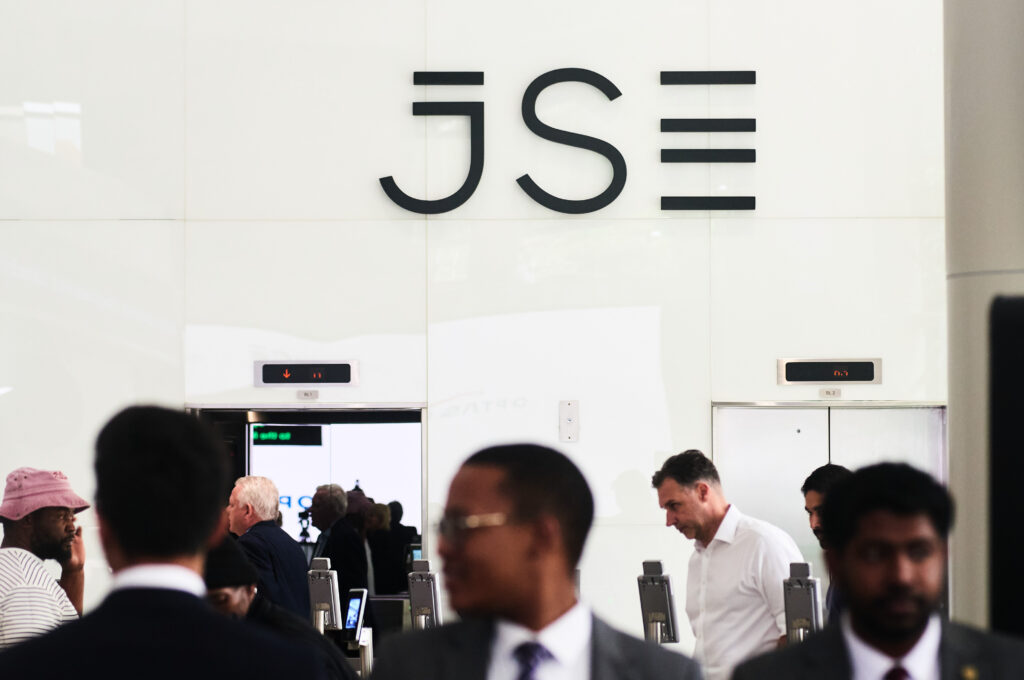
The Johannesburg Stock Exchange (JSE), Africa’s largest stock exchange operator, is taking significant steps to enhance its regulatory framework governing brokers and trading firms. This initiative aims to mitigate the risks associated with rogue algorithms and trading mistakes that can potentially destabilize the market. In light of the growing complexity of trading technologies and their impact on market dynamics, the JSE’s proposed changes are both timely and necessary.
In recent years, the financial landscape has evolved dramatically, with algorithmic trading and direct market access (DMA) becoming prevalent. While these innovations have improved market efficiency and liquidity, they have also introduced new challenges for regulators and market participants. The JSE recognizes these challenges and is proactively working to ensure that its operations align with global standards while safeguarding the interests of investors and the integrity of the market.
The proposed amendments to the JSE’s rules and directives signal a shift in how trading-service providers will manage access to the exchange. By requiring brokers to take direct control of their market access, the JSE aims to create a more robust oversight framework. This move is particularly important in light of the potential for trading errors or algorithmic malfunctions to disrupt the market. The JSE’s commitment to overseeing these controls reflects a broader trend towards increased accountability in trading practices.
One of the key components of the JSE’s proposal is the elevation of essential controls over algorithmic and DMA trading from mere technical directives into formal rules. This change is significant as it empowers the exchange with greater oversight capabilities, ensuring that brokers adhere to high standards of market conduct. The JSE’s approach aligns with post-financial crisis regulations that have been adopted in markets across the United States and Europe.
Brokers will now bear the responsibility for overseeing the controls in place, even when they engage third-party vendors to assist in the design or maintenance of these systems. This requirement underscores the importance of accountability and diligence among market participants. The JSE’s move to formalize these controls is a step in the right direction, as it fosters a culture of compliance and vigilance that is essential for maintaining market integrity.
As part of the regulatory process, JSE members have a ten-day window to voice any objections to the proposed changes. Following this period, the amendments will be submitted to the Financial Sector Conduct Authority (FSCA) for final approval. While the notice does not specify an implementation date, the swift action taken by the JSE indicates a strong commitment to enhancing market stability and investor confidence.
Key takeaways from the JSE’s proposed changes include:
1. **Enhanced Oversight**: Brokers must directly manage their access to the exchange, thereby increasing accountability and reducing the risk of disruptive trades.
2. **Alignment with Global Standards**: The proposed rules bring the JSE in line with international best practices for algorithmic and DMA trading, reflecting lessons learned from past market disruptions.
3. **Formalization of Controls**: The transition of technical directives into formal rules solidifies the JSE’s regulatory framework and enhances its oversight powers.
4. **Responsibility for Compliance**: Brokers will remain liable for ensuring compliance with the new controls, even if they utilize third-party services, emphasizing the need for thorough due diligence.
For traders and investors, these regulatory changes signal a notable shift in the operational landscape of the JSE. As the exchange implements stricter oversight measures, market participants can expect a more stable trading environment. Investors may find reassurance in the increased regulatory scrutiny, which can enhance their confidence in the integrity of the market.
In conclusion, the JSE’s proactive approach to tightening oversight over brokers and trading firms is a commendable move toward safeguarding market integrity. By implementing stronger controls over algorithmic and direct market access trading, the exchange aims to prevent disruptive incidents that could undermine investor trust. As the financial markets continue to evolve, such regulatory initiatives are essential for maintaining a fair and transparent trading environment. Investors and traders should stay informed and engaged with these developments, as they can significantly impact trading practices and market dynamics in the future.