
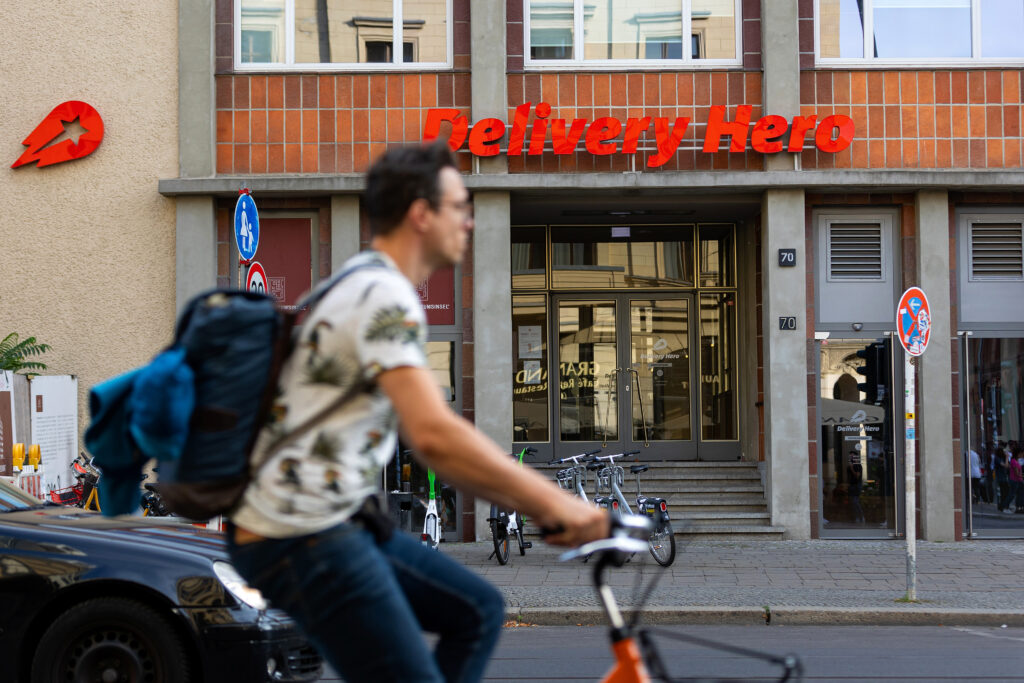
In the ever-evolving landscape of the European tech market, Prosus NV has found itself at a crossroads, navigating the complex waters of regulatory scrutiny and strategic investments. The company, which holds a significant stake in Delivery Hero SE, is currently advocating for the European Union to reconsider a mandate that could compel it to divest shares in the German food delivery giant. This situation highlights not only the challenges faced by major investors in Europe but also the ongoing competitive dynamics within the food delivery sector.
Prosus NV, a global consumer internet group, has a vested interest in Delivery Hero, holding approximately 17% of the company’s shares. As it seeks to acquire another food delivery platform, the European Commission has stipulated that Prosus must reduce its stake in Delivery Hero to avoid potential antitrust violations. This requirement has become a point of contention, especially with Uber Technologies currently in negotiations to acquire Delivery Hero. Sources familiar with the matter, who wish to remain anonymous, indicate that Prosus is actively requesting the EU to waive this requirement, as it could significantly impact their investment strategy.
The underlying motivation for this request resides in the broader implications of a potential Uber takeover of Delivery Hero. Recently, Uber submitted an offer of €33 per share for Delivery Hero, a bid that analysts note bears little premium compared to the company’s recent trading price. However, the strategic importance of Delivery Hero in the competitive food delivery landscape cannot be understated, especially as its shares have experienced an upswing this year, closing at €32.97 just before the announcement of Uber’s interest.
In August of the previous year, Prosus had conceded to the European Commission’s demands by agreeing to sell down its stake to a “very low percentage” over a twelve-month period, a decision intended to pacify concerns regarding market monopolization following its own acquisition of Just Eat Takeaway.com NV. This concession also involved a commitment not to exercise voting rights on its remaining shares or appoint representatives to Delivery Hero’s board, a move criticized by Prosus CEO Fabricio Bloisi as detrimental to future investments in the region.
As of now, Prosus has successfully divested approximately 9.5% of its stake in Delivery Hero, with 5% sold to activist investor Aspex Management and another 4.5% to Uber. This ongoing restructuring has rendered Delivery Hero’s ownership more concentrated among a select group of investors, including Aspex and Uber, which recently disclosed a nearly 20% stake along with options to acquire an additional 5.6%.
The implications of these developments extend beyond individual companies, reflecting a growing trend of consolidation within the food delivery sector. Delivery Hero’s stock saw a significant boost, rising by as much as 13% to reach €37.85, fueled by speculation surrounding the potential for a higher bid from Uber. Furthermore, the competitive landscape is intensifying as rival companies, notably DoorDash, are also rumored to be considering a bid for a stake in Delivery Hero.
Investors and traders watching this space should note several key takeaways. First, the dynamics of regulatory approval processes can have profound impacts on investment strategies, particularly in sectors susceptible to monopolistic concerns. The situation with Prosus illustrates the delicate balance investors must maintain between compliance with regulatory bodies and their own strategic interests.
Additionally, the current competitive environment suggests that the food delivery industry may be on the verge of significant consolidation, which could reshape market dynamics and influence stock valuations. For traders, monitoring developments regarding potential bids, regulatory changes, and company performance will be critical in making informed decisions.
In conclusion, Prosus NV’s push against the EU-mandated stake sale in Delivery Hero underscores the complexities of navigating regulatory landscapes while pursuing growth through acquisitions. As the food delivery market continues to evolve, stakeholders must remain vigilant, adapting their strategies to capitalize on emerging opportunities while being mindful of the regulatory frameworks that govern their actions. The outcome of this situation will likely resonate beyond the immediate players involved, impacting investor sentiment and the broader market for tech-related acquisitions in Europe.