
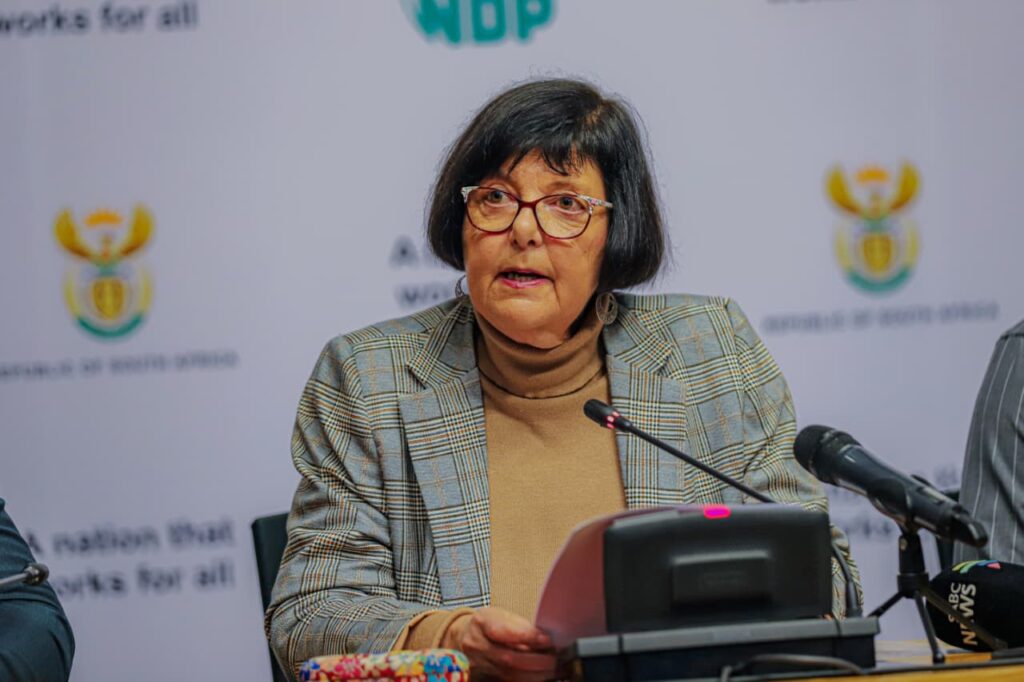
In a rapidly changing global economy, the efficiency of a nation’s transport and logistics systems is paramount for sustainable growth. South Africa’s Transport Minister, Barbara Creecy, recently made headlines with her ambitious vision for the nation’s transport landscape, emphasizing that reforms in logistics and mobility are critical to unlocking the country’s potential. This blog post will delve into the details of the proposed reforms, the significance of these initiatives, and what they mean for investors and traders in the South African market.
At the heart of Minister Creecy’s message is a staggering R102 billion budget aimed at transforming South Africa’s transport network from a bottleneck into a powerful engine of economic prosperity. The Minister has underscored several crucial areas for reform, which include the opening of freight rail to private operators, enhancing port capacity, revitalizing passenger rail services, stabilizing road funding, and bettering public transport oversight. While these initiatives are promising, the pressing question remains: will these plans transition from concepts to real-world applications?
Minister Creecy articulates a vision that is more than just a wish list; it is a structured path toward measurable outcomes. She has set ambitious targets for the next decade, aiming for 250 million tonnes of freight transported, 600 million passenger journeys, and significant improvements in logistics efficiency and safety by 2030. These goals reflect a comprehensive strategy designed to revitalize South Africa’s transport sector and stimulate economic activity.
One of the standout components of the reform plan is the opening of freight rail to private operators. This move is expected to create competition in the sector, improving efficiency and service delivery. The Minister has indicated that the first 11 private train operating companies could potentially move up to 24 million tonnes of freight annually, starting from April 2027. This shift is anticipated to alleviate the existing pressure on Transnet, the state-owned freight transport and logistics company, which has struggled with aging infrastructure and operational inefficiencies.
However, the success of this initiative hinges significantly on the reliability of Transnet’s infrastructure. The Minister addressed concerns regarding the readiness of the existing systems to accommodate increased private sector involvement and ambitious freight transport targets. To this end, a budget allocation of R34 billion has been earmarked for infrastructure improvements, with initial funding of R23 billion already designated for upgrading critical coal and iron ore transport lines. Additionally, plans are underway to develop concessions for other vital transport corridors, which could further enhance operational capacity.
Despite these proactive measures, business groups have voiced concerns about delays in freight logistics reform and the pace of private sector participation. Exporters are anxious about the timeline for these changes, as delays could impact their ability to compete effectively in global markets. The Minister’s commitment to addressing these concerns is crucial, as a smooth transition to a more privatized logistics framework will be essential for restoring confidence among stakeholders and boosting economic performance.
Key takeaways from Minister Creecy’s address include the following:
1. **Strategic Focus on Infrastructure**: A significant portion of the budget is allocated to enhancing transport infrastructure, which is vital for supporting increased freight volumes.
2. **Private Participation**: Opening freight rail to private operators is expected to foster competition, improve service delivery, and ultimately benefit both consumers and businesses.
3. **Measurable Targets**: The Minister has set clear, quantifiable targets that will serve as benchmarks for success in the transport sector over the next several years.
4. **Addressing Concerns**: Acknowledging the frustrations of business groups is an essential step in ensuring that reforms are effectively implemented and that exporters feel supported.
For traders and investors, the developments in South Africa’s transport sector present both opportunities and challenges. The potential for increased efficiency in logistics could lead to improved supply chain dynamics, benefiting companies engaged in trade. Conversely, potential delays or failures in infrastructure upgrades could hinder economic growth, impacting market confidence.
In conclusion, South Africa stands at a crossroads where its transport and logistics sectors can either hinder or facilitate economic progress. Minister Creecy’s ambitious reform agenda outlines a vision that, if executed effectively, could transform the landscape of the nation’s transport system. For stakeholders, including investors and traders, staying attuned to these developments will be critical as they navigate the evolving economic environment. The success of these reforms will not only shape the future of transport in South Africa but will also play a pivotal role in the overall economic prosperity of the nation.