
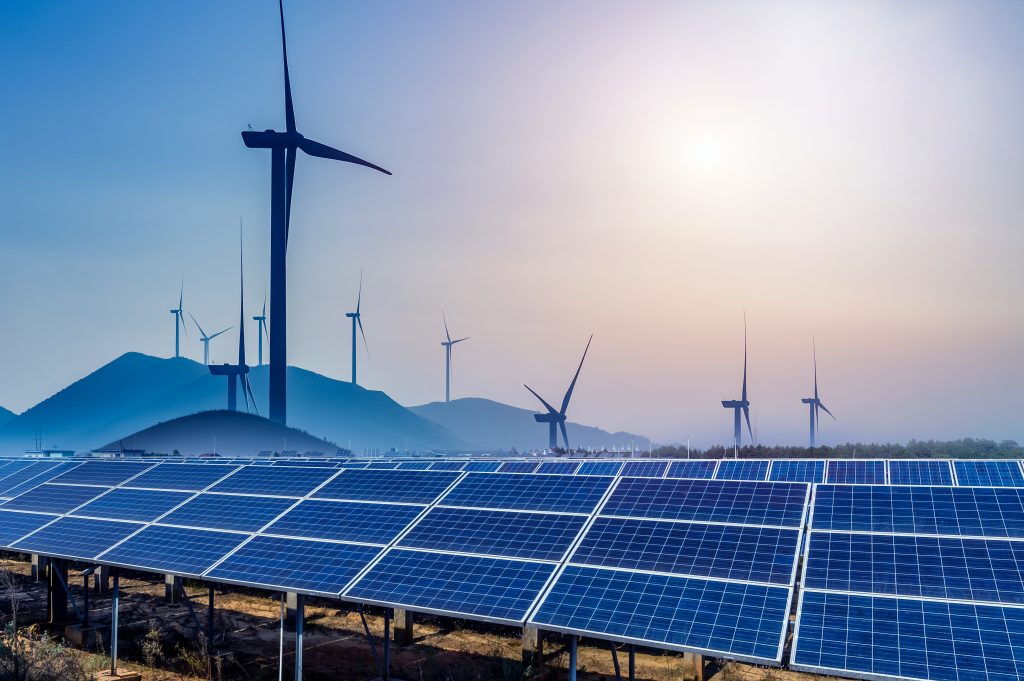
As the world increasingly shifts towards sustainable energy sources, Africa stands at a pivotal juncture in its energy transition journey. The continent’s path to a greener future is no longer solely about erecting solar panels or wind turbines; it has evolved into a more complex endeavor focused on establishing the financial and market frameworks necessary to facilitate cross-border electricity trade, attract private investments, and stimulate economic growth. The recent investment from Sanlam Alternative Investments in Africa GreenCo Group underscores this shift and highlights the critical need for a robust energy market infrastructure.
In May 2026, Sanlam Alternative Investments made headlines by acquiring a 10% equity stake in Africa GreenCo Group, marking a significant milestone as it became the first private institutional investor in the company. With a $10 million investment aimed at expanding GreenCo’s renewable energy trading and offtake platform across Southern Africa, this transaction signifies a recognition of the hurdles that lie beyond technology and generation costs. The real challenges that must be addressed include creating a viable market structure, establishing reliable offtake agreements, managing credit risks, and enhancing regional electricity trading capabilities.
At the heart of this transformation is Africa GreenCo, a burgeoning market intermediary within the Southern African Power Pool (SAPP). GreenCo plays a crucial role as an electricity trader, aggregator, and creditworthy buyer. It procures electricity from independent renewable energy producers and subsequently sells it to various customers, including utilities, mining operations, and commercial enterprises across the region. Currently licensed in Zambia, Zimbabwe, Namibia, and South Africa, GreenCo is also in the process of obtaining licenses in the Democratic Republic of Congo. This model is particularly vital in the African context, where many state-owned utilities face financial difficulties and struggle to offer the long-term payment guarantees essential for attracting private investment into renewable energy.
One of the most pressing issues in the African energy market is the risk associated with single buyers, which can deter potential investors. By positioning itself as an intermediary with a diversified customer base and regional trading capabilities, GreenCo aims to mitigate these risks and enhance the viability of renewable energy projects. This innovative approach is especially significant in South Africa, where the electricity market is undergoing considerable changes. The ongoing crisis at Eskom, the country’s primary utility provider, has led to soaring electricity tariffs, grid limitations, and deteriorating municipal finances. Consequently, there has been a marked shift toward private procurement of renewable energy, as businesses seek alternatives to traditional utility services.
This evolving landscape presents opportunities for renewable energy developers who are now exploring flexible market access options beyond conventional long-term power purchase agreements. As South Africa continues to navigate its electricity market reforms, the introduction of a more dynamic trading environment has become increasingly necessary. The South African Wholesale Electricity Market (Sawem) is still in the process of being established, and the need for a comprehensive framework that supports efficient electricity trading is more critical than ever.
The investment by Sanlam into GreenCo serves as a beacon for other potential investors, illustrating the attractiveness of the renewable energy sector in Africa. With the right financial infrastructure in place, the continent can harness its abundant renewable resources to not only meet its energy needs but also foster economic development. The transition to renewable energy can create jobs, stimulate local economies, and ultimately lead to a more sustainable future.
Key takeaways from this shift in Africa’s energy landscape include the importance of building financial and market infrastructure to support renewable energy initiatives, the role of intermediaries like GreenCo in enhancing the bankability of projects, and the need for private capital to drive growth in the sector. For traders and investors, understanding the nuances of the regional energy markets and the evolving regulatory landscape is essential for capitalizing on emerging opportunities.
In conclusion, Africa’s energy transition is on the cusp of significant change, driven by the need for a robust financial framework that can support the expansion of renewable energy. Investments like that of Sanlam in GreenCo not only signal confidence in the market but also highlight the importance of collaboration between the public and private sectors. As Africa continues to build its renewable energy capacity, the establishment of efficient market structures will be crucial in unlocking the continent’s full potential in the energy sector, paving the way for sustainable economic growth and energy security.