
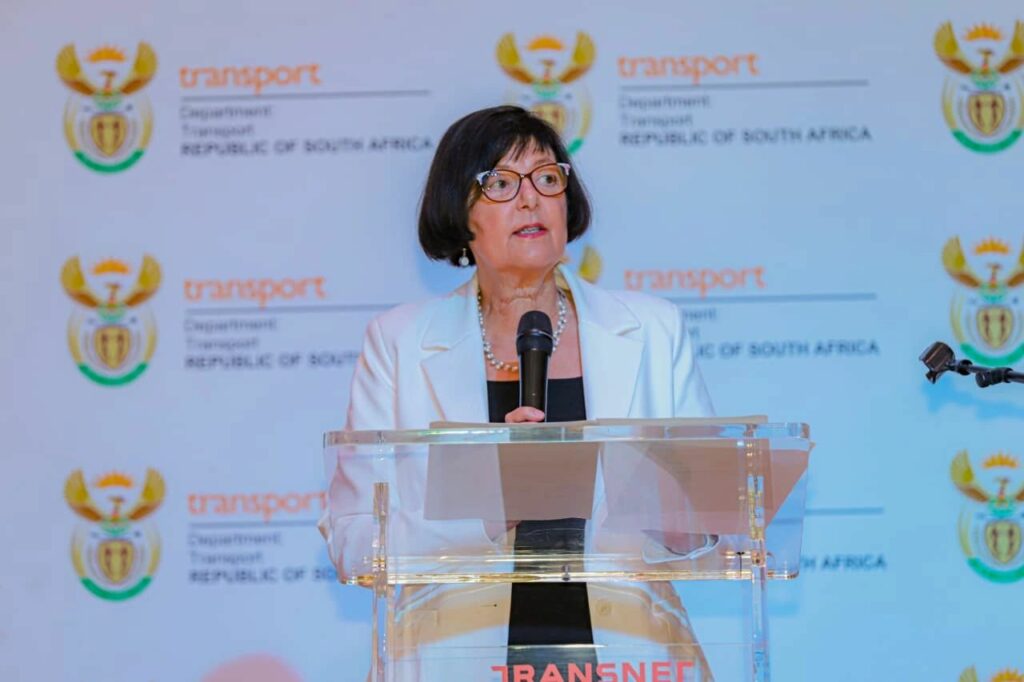
As the automotive landscape shifts towards electric vehicles and changing consumer behaviors, the financial framework sustaining the Road Accident Fund (RAF) faces mounting pressure. Recent discussions led by the Minister of Transport, Barbara Creecy, reveal a potential shift in how motorists will contribute to this essential fund. With the introduction of a vehicle owner contributory scheme on the table, it’s crucial to delve deeper into what this means for vehicle owners, the future of transportation funding, and the broader implications for road safety and fiscal responsibility.
The Road Accident Fund serves a vital role in South Africa, providing financial assistance to individuals affected by road accidents. Traditionally funded through a levy included in the price of petrol, the RAF is now confronted with two significant challenges: the rise in electric vehicle adoption and the inevitable decline in revenue from the fuel levy. As more motorists turn to electric vehicles, which do not contribute to fuel levies, the sustainability of the RAF’s funding model comes into question. This shift necessitates a reevaluation of how the fund is financed and managed.
Minister Creecy’s recent statements underscore the urgency of addressing the RAF’s funding crisis. She emphasized that the current model is insufficient, particularly with the anticipated drop in revenue as electric vehicles become more prevalent. Moreover, the RAF’s contingent liabilities—estimated to surpass R500 billion—pose a serious risk to the national treasury. These staggering figures highlight the need for innovative solutions to ensure that the fund can continue to fulfill its mandate without placing an undue burden on taxpayers.
One proposed solution is the introduction of a vehicle owner contributory scheme. This scheme would require motorists to make an additional payment when purchasing or renewing their vehicle licenses. While Creecy acknowledged that the idea has merit, she also expressed concerns about its implementation, particularly regarding public transport vehicles and the affordability for regular motorists. The aim would be to create a fairer and more sustainable funding model that ensures all road users contribute to the system that provides safety and financial support in the event of accidents.
Additionally, the potential reintroduction of the Road Accident Benefit Scheme Bill (RABS) is another strategic move intended to address these funding challenges. The proposed no-fault system aims to streamline the claims process and establish a standard schedule of benefits for accident victims. However, the details of how these systems will work in practice remain to be fully fleshed out. The government is currently seeking input from researchers and stakeholders to design a system that balances the needs of the public with financial viability.
It is essential to take a closer look at the implications of these proposed changes for both regular motorists and the broader economy. For vehicle owners, the prospect of a new fee associated with vehicle licensing could alter budgeting strategies. This additional cost may be viewed as a necessary investment in public safety and support, but it could also strain the finances of those already grappling with rising living costs.
From an investor’s perspective, the evolving landscape of the RAF and transportation funding could present opportunities. Companies involved in electric vehicle manufacturing, insurance, and road safety technology may stand to benefit from a shift in policy and funding structures. As the government seeks ways to adapt to new realities, innovation and investment in these sectors may prove lucrative.
In conclusion, the discussions surrounding the Road Accident Fund and its sustainability reflect a critical juncture in the relationship between road users and government policy. The proposed vehicle owner contributory scheme and the potential reintroduction of the RABS Bill highlight the need for a collaborative approach to road safety funding. As stakeholders engage in dialogue and research to develop feasible models, it’s crucial for motorists and investors to stay informed and prepared for shifts that could impact their financial planning and investment strategies. The road ahead may be uncertain, but proactive measures can pave the way for a more sustainable and equitable system for all road users.