
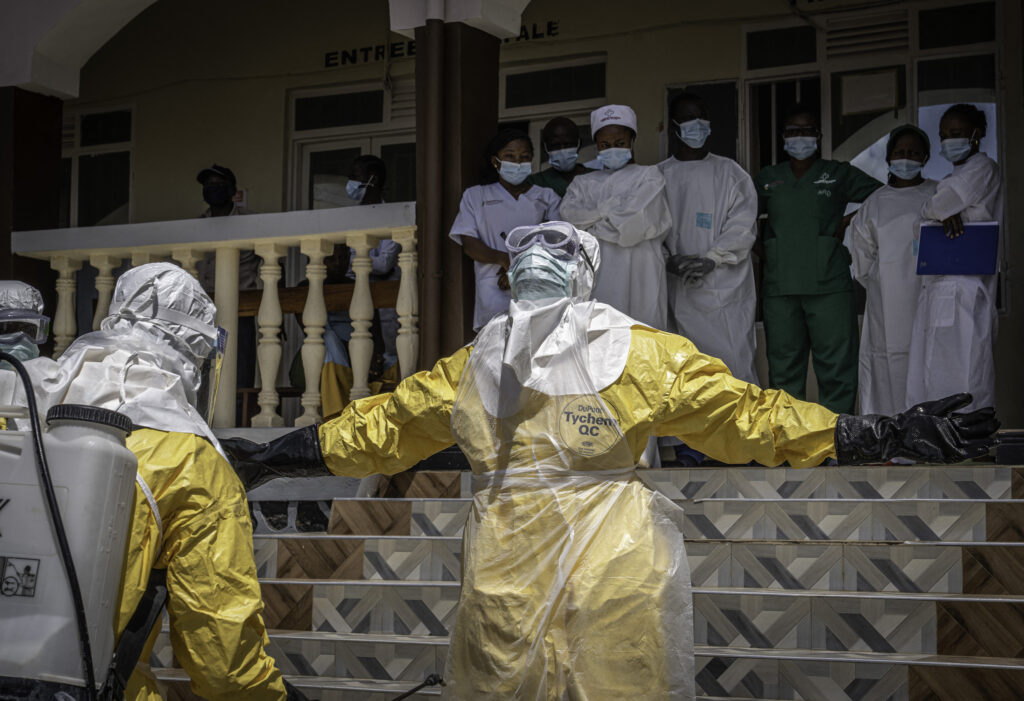
The ongoing Ebola outbreak in the Democratic Republic of Congo (DRC) has escalated to alarming levels, prompting urgent international attention. The World Health Organization (WHO) has voiced concerns that the situation is deteriorating faster than containment efforts can cope, with confirmed cases and suspected deaths rising sharply. The crisis not only underscores the fragility of the public health infrastructure in conflict-affected regions but also highlights the urgent need for collaborative global health responses.
As of recent updates, the DRC has reported over 100 confirmed cases of Ebola, with the number of suspected infections soaring to nearly 1,000. Tragically, the suspected death toll has surpassed 220. These figures reflect the dire circumstances faced by health officials in the eastern provinces of Ituri, North Kivu, and South Kivu, where the outbreak is concentrated. WHO Director-General Dr. Tedros Adhanom Ghebreyesus has remarked on the unprecedented speed of this epidemic, stating, “At the moment, the epidemic is outpacing us.” This rapid spread has created a significant challenge for health responders who are racing against time to manage the crisis.
The situation is exacerbated by various factors inherent to the region. Armed conflict has created an environment of instability, leading to mass displacements and a pervasive distrust of health authorities among the local population. These elements complicate essential public health measures such as isolating infected individuals and tracing contacts. Disturbingly, there have been reports of attacks on treatment facilities, further hampering response efforts. Over the weekend, at least 25 Ebola patients fled from treatment centers in Ituri after violent crowds demanded the return of bodies for burial, resulting in the destruction of isolation tents and hospitals.
The current outbreak is attributed to a rare strain of the Ebola virus known as Bundibugyo. Unlike other strains, this particular variant does not have approved vaccines or treatments readily available. In light of this, WHO officials are exploring the possibility of deploying experimental vaccines and antiviral drugs, including monoclonal antibodies, in clinical trials to combat the outbreak. The urgency of this situation is underscored by the case of American surgeon Peter Stafford, who contracted the Bundibugyo strain while working in the DRC. He has since been moved to a high-security isolation unit in Berlin, drawing attention to the risks faced by healthcare workers in the field.
Key Points to Consider:
1. The DRC is experiencing a significant Ebola outbreak, with cases rapidly increasing amid ongoing conflict and instability.
2. The absence of effective vaccines and treatments for the Bundibugyo strain complicates containment efforts.
3. Attacks on healthcare facilities and mistrust in health authorities present substantial barriers to effective public health responses.
4. WHO is considering the use of experimental treatments and vaccines as potential solutions.
5. The crisis highlights the broader implications of public health systems in conflict zones and the need for global cooperation.
For traders and investors, the implications of the Ebola outbreak could resonate beyond the immediate health crisis. The DRC is rich in natural resources, including minerals like cobalt and gold, which are essential for various industries, particularly in technology and renewable energy sectors. Investors should be mindful of the potential disruptions to supply chains and market conditions that could arise from ongoing instability in the region. Additionally, companies operating in or sourcing from the DRC may face heightened risks, which could impact their stock performance and operational strategies.
In conclusion, the Ebola outbreak in the Democratic Republic of Congo is a critical public health emergency that demands immediate and coordinated response efforts from both national and international stakeholders. The challenges faced in managing this outbreak illustrate the complex interplay between health, security, and public trust in regions affected by conflict. For investors, the situation serves as a reminder of the risks involved in emerging markets and the importance of vigilance in assessing the broader implications of health crises on economic stability. As the global community continues to monitor the situation, it is imperative that we remain committed to supporting vulnerable populations and strengthening health systems worldwide.