
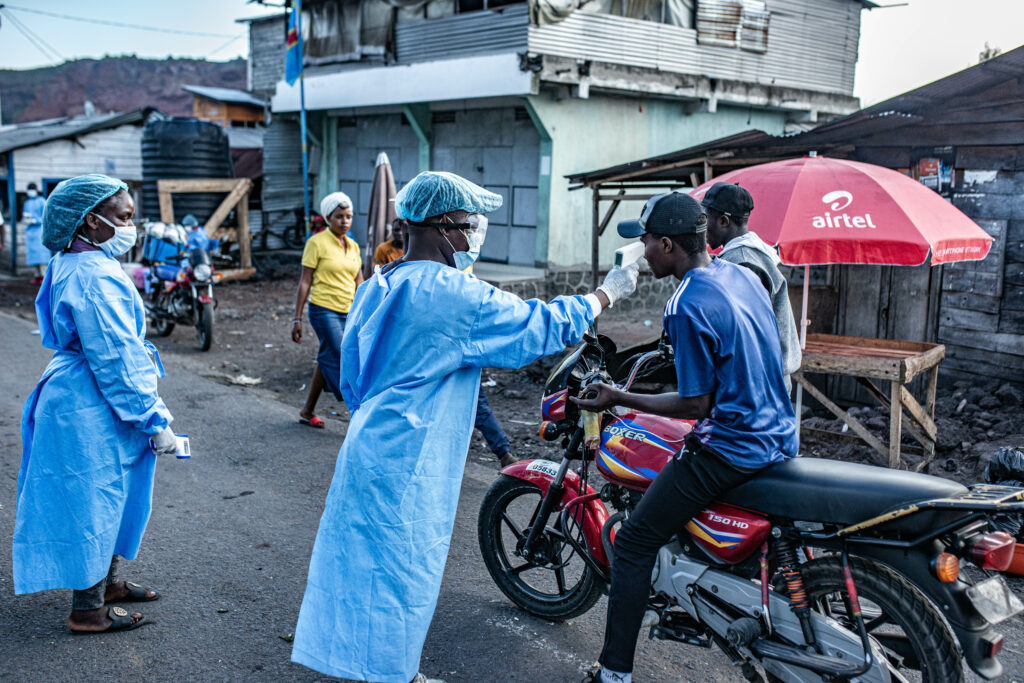
The ongoing Ebola crisis in the eastern region of the Democratic Republic of Congo (DRC) has become a significant health emergency, prompting international leaders and health organizations to rally support in an effort to combat the outbreak. With financial pledges nearing the $500 million mark, the situation underscores the critical need for rapid intervention and coordinated efforts to prevent the virus from spreading further across the African continent.
The DRC has long faced challenges in managing public health crises, particularly in conflict-affected areas where resources are strained and health systems are fragile. The current outbreak has raised alarms not only within the country but also among neighboring nations, as the interconnectedness of borders and population movements heightens the potential for widespread transmission. As reports of suspected cases continue to rise, the urgency for a global response has never been more pronounced.
The Africa Centres for Disease Control and Prevention (CDC) has reported that the financial commitments made to combat the outbreak have more than doubled in recent weeks, totaling approximately $500 million. This includes significant contributions from various international entities, such as $160 million from the World Bank, $82 million from the United States, and around $57 million from European partners. Despite this progress, the estimated funding required to effectively address the crisis remains at $519 million, indicating an ongoing need for additional resources as the situation evolves.
South African President Cyril Ramaphosa, who has taken a leadership role in pandemic preparedness and response for the African Union, emphasized the broader implications of health security. He articulated a crucial connection between health and economic stability, stating, “Health security is economic security.” The ripple effects of health crises can destabilize economies, disrupt trade, and exacerbate existing humanitarian pressures, making it imperative for nations to act swiftly and in unity.
The outbreak has already claimed the lives of over 200 individuals, with more than 900 suspected cases reported across multiple health zones in eastern Congo. These figures highlight the gravity of the situation, prompting calls for a comprehensive and coordinated response to manage the crisis effectively. President Ramaphosa’s remarks regarding the urgent need for speed, unity, and trust in collective capabilities resonate with the realities facing the region.
The World Health Organization (WHO) has also weighed in on the crisis, with Director-General Tedros Adhanom Ghebreyesus stressing the importance of timely detection and intervention. He noted that delays in identifying the outbreak have placed health officials in a reactive position rather than a preventative one. The challenge remains to contain the epidemic swiftly to minimize loss of life and further outbreaks.
As the outbreak progresses, neighboring countries such as Uganda are already experiencing new cases, particularly among health workers who are on the front lines of response efforts. The risk of transmission is heightened in neighboring nations due to porous borders and established travel routes, making it essential for all African countries to maintain vigilance and preparedness. According to the Africa CDC, ten countries, including Kenya and Angola, are currently classified as high-risk for their own outbreaks, necessitating a proactive stance in health surveillance and response measures.
Misinformation surrounding the virus continues to pose a significant barrier to containment efforts. Surveys indicate that a substantial portion of the population in areas like Ituri remains skeptical about the existence of the virus, complicating public awareness campaigns. Organizations like ActionAid are stepping in to combat misinformation through education and outreach, which are critical components in fostering community trust and cooperation in health initiatives.
In conclusion, the Ebola outbreak in eastern Congo serves as a stark reminder of the interconnectedness of health, security, and economic stability. The global response, underscored by significant financial commitments, is a vital step toward managing this crisis. However, the evolving nature of the outbreak demands ongoing vigilance, adaptability, and collaboration among nations. As health officials and leaders work together to contain the virus, it is crucial for investors and stakeholders to recognize the importance of investing in health security, not just as a humanitarian necessity but as a fundamental component of sustainable economic development. The lessons learned from this outbreak will undoubtedly shape future responses to health crises and the imperative for maintaining robust public health systems.