
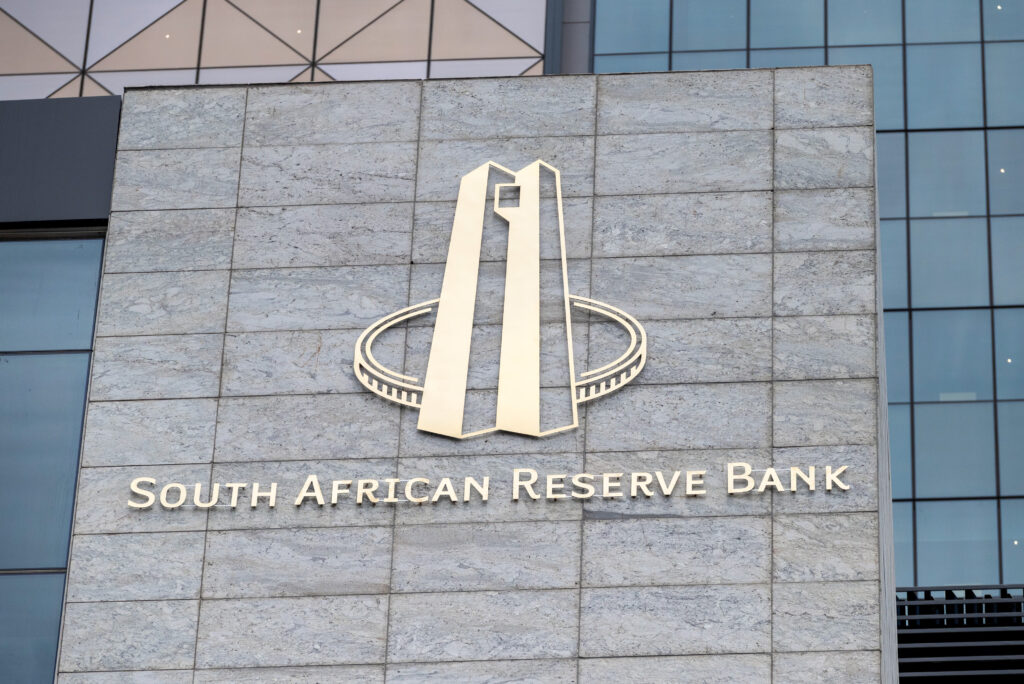
In recent months, South Africa’s inflation landscape has experienced a notable shift, catching the attention of economists, investors, and policymakers alike. As consumer price inflation (CPI) rose to 4% year-on-year in April, up from 3.1% in March, it has sparked discussions regarding the implications for monetary policy and economic stability. This uptick, alongside a parallel increase in core inflation from 3.2% to 3.6%, presents a complex scenario for the South African Reserve Bank (SARB), which now faces pressing questions on how best to navigate this changing environment.
The rise in inflation figures, while not alarming in isolation, comes at a crucial time for the SARB as it recently adjusted its inflation target to a more stringent 3%. This shift was reinforced by the National Treasury late last year, indicating a commitment to tighter monetary control. However, the current inflation numbers have thrown a spanner in the works, largely due to a supply shock predominantly originating from energy markets. This supply disruption has not only affected fuel prices but also raises concerns about potential food inflation later in the year, further complicating the central bank’s decision-making process.
At first glance, one might assume that supply shocks are external factors beyond the control of the SARB, making it difficult to justify rate hikes. Traditional economic thinking often suggests that such events are temporary and that the central bank should refrain from overreacting. However, SARB’s leadership, particularly under Governor Lesetja Kganyago, appears to have a different perspective. They advocate for a proactive approach in response to these shocks, emphasizing the importance of early action to prevent second-round effects that could entrench inflationary expectations within the economy.
This preemptive strategy is built on the premise that acting sooner rather than later can lead to smaller adjustments in interest rates over time, thereby minimizing the broader economic impact. Looking back at the SARB’s actions in 2022, this approach seems to have been validated, as timely interventions helped anchor expectations and stabilize the economy.
As the SARB prepares for its Monetary Policy Committee (MPC) meeting, market participants are anticipating a modest interest rate increase of 25 basis points. This adjustment reflects a consensus that swift action is necessary to mitigate the risks posed by rising inflation expectations. The overarching goal is not merely to address a singular inflation reading but to create a stable environment that prevents supply shocks from permeating wage negotiations and pricing strategies across various sectors.
Despite the current inflation rate of 4% being uncomfortable, it remains within the broader context of historical norms, particularly as it lies beneath the midpoint of the previous 3% to 6% target band. Nevertheless, the looming concern is the trajectory of inflation expectations. The upcoming MPC meeting will occur without the benefit of an updated expectations survey, making the subsequent release of that data critical for gauging market sentiment. Should expectations begin to drift upward, it would signal that the economy is entering a precarious phase where the SARB’s room for maneuver may quickly diminish.
From an investor’s standpoint, these developments are crucial. The anticipation of a rate hike has already influenced market dynamics, with the expectation of a 25-basis-point increase becoming increasingly priced in. However, given the current volatility in both local and global markets, investors must remain vigilant and adaptable. The interplay between inflation rates, interest rate adjustments, and broader economic performance will undoubtedly shape investment strategies in the coming months.
In conclusion, South Africa’s inflation narrative is evolving, and the SARB’s response will be pivotal in setting the tone for economic stability. By taking a proactive stance against inflationary pressures, the central bank aims to prevent the erosion of consumer and investor confidence. As the situation unfolds, stakeholders must monitor developments closely, understanding that the implications of inflation extend far beyond mere numbers; they touch upon the very fabric of the economy itself. The coming months will be critical in determining how well the SARB can manage these challenges while fostering a resilient economic environment for all South Africans.