
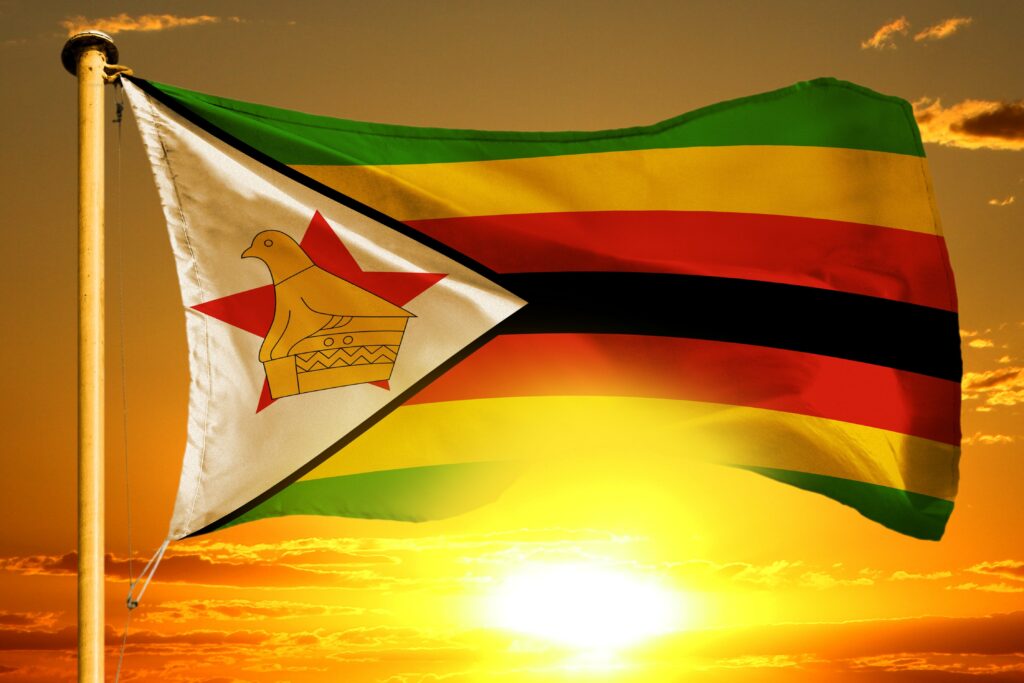
The political landscape in Zimbabwe has descended into a state of uncertainty and turmoil, with profound implications not only for its citizens but also for neighboring South Africa. Opposition leaders have raised alarms about the potential fallout from the deepening crisis that is emerging in Zimbabwe, urging South Africa to take heed of developments that threaten stability in the region. As the ruling Zanu-PF party pushes forward with controversial constitutional reforms, many fear that the country is on the brink of a significant upheaval that could reverberate beyond its borders.
In recent discussions, voices from Zimbabwe’s opposition have warned that the country is facing one of its most critical crises since gaining independence in 1980. David Coltart, the Mayor of Bulawayo and a former minister, emphasized the urgent need for South Africans to recognize the gravity of the situation, stating that the ramifications of Zimbabwe’s instability would inevitably spill over into South Africa. This call for awareness highlights the interconnectedness of the two nations and the broader implications of political strife.
The heart of the concern lies in the proposed constitutional amendments being pushed by the Zanu-PF party. These reforms are viewed as an attempt to consolidate power and undermine democratic processes. The Third Constitution Amendment Bill, for instance, seeks to extend presidential terms from five to seven years, effectively allowing current President Emmerson Mnangagwa to potentially remain in office until 2030. Furthermore, the proposed changes would alter the mechanism of presidential elections, shifting the responsibility from a popular vote to parliamentary selection, which many critics see as a blatant attempt to entrench authoritarian rule.
Zimbabwe has been marred by political crises for decades, with its history marked by violence and oppression. Former finance minister Tendai Biti noted that the country has been in a “permanent state of crisis” since the colonial era, and the upcoming constitutional changes could exacerbate this instability. The amendments, according to Biti, represent the most significant threat to democracy since the Gukurahundi massacres, where thousands perished due to government repression.
Moreover, the amendments threaten to alter the role of the military in Zimbabwe’s governance. The current proposal changes the army’s responsibility from “upholding” the constitution to merely acting “in accordance with” it, which could diminish the military’s accountability and increase the government’s power. Such a shift raises concerns about the potential for further human rights abuses and the stifling of dissent.
The implications of Zimbabwe’s political crisis extend beyond its borders, particularly for South Africa. Activist Samkeliso Tshuma pointed out that the influx of Zimbabweans into South Africa has often been a desperate bid for survival rather than a voluntary migration. This has led to rising tensions and xenophobic sentiments within South Africa, where Zimbabweans are frequently scapegoated for broader socioeconomic issues. The ANC’s historical support for Zimbabwe’s leadership has come under scrutiny, with calls for a more critical stance towards the Zanu-PF government in light of its oppressive policies.
Key takeaways from this situation highlight the urgent need for intervention and a reevaluation of South Africa’s approach to its neighbor. The crisis in Zimbabwe is not merely a domestic issue; it poses a threat to regional stability and could lead to increased migration pressures as people flee persecution and economic hardship. South African policymakers must recognize the interconnected nature of these crises and act accordingly, whether through diplomatic channels or humanitarian assistance.
For traders and investors, the instability in Zimbabwe presents both risks and opportunities. Political uncertainty can lead to volatile markets, impacting investments in the region. However, it also opens avenues for businesses that can provide essential services and goods to a population in distress. Investors should remain vigilant, keeping an eye on the evolving political climate and assessing how it may influence economic conditions in both Zimbabwe and South Africa.
In conclusion, the situation in Zimbabwe has reached a critical juncture, with potential consequences that extend far beyond its borders. As the Zanu-PF party seeks to tighten its grip on power through constitutional reforms, neighboring countries, particularly South Africa, must take the crisis seriously. The time for complacency has passed; proactive measures are necessary to prevent the escalation of conflict and to protect the rights and lives of those affected by Zimbabwe’s ongoing political turmoil. The path forward will require a concerted effort from regional leaders and the international community to foster stability and promote democratic governance in Zimbabwe.