
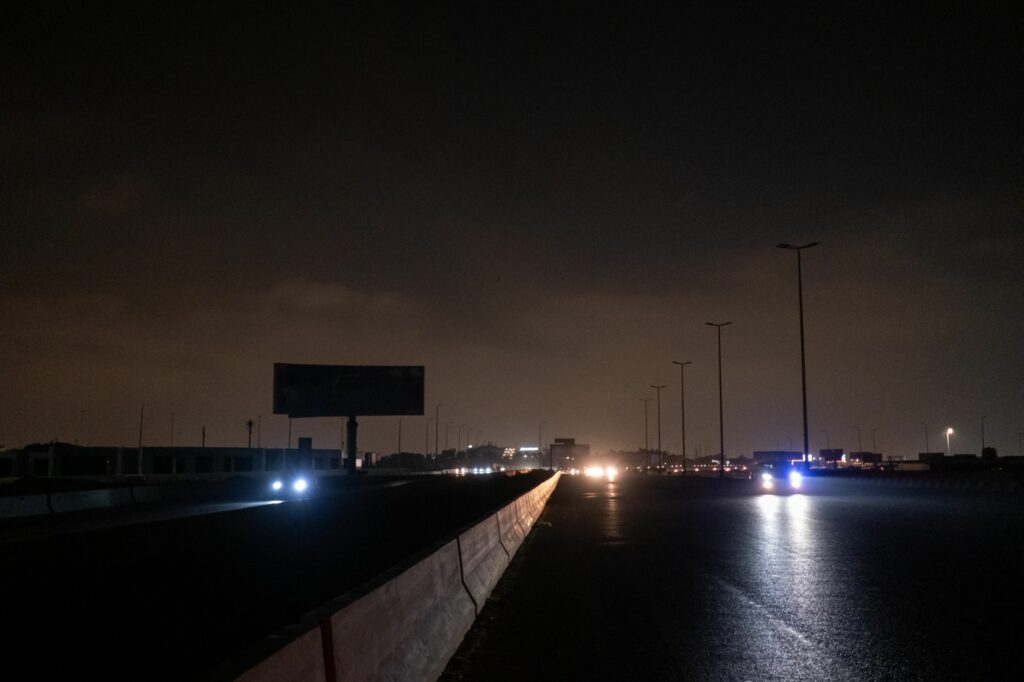
In recent developments, the power dynamics between Eskom and the City of Johannesburg have taken center stage, revealing a precarious situation that could potentially impact households and businesses alike. With Eskom threatening to reduce or cut power supply over outstanding municipal debts, the ramifications of this ongoing dispute stretch far beyond mere inconvenience. As the city’s electricity utility, City Power, grapples with non-compliance and overdue accounts, the community is left to ponder the implications of this power struggle.
At the heart of this matter is a significant debt owed by the City of Johannesburg to Eskom, which has reached staggering figures. Reports indicate that the city owes over R5.2 billion, excluding an additional R1.6 billion due imminently. This debt has prompted Eskom to issue stern warnings regarding the potential interruption of services, which could disrupt not only street lighting but also essential services to residents and businesses in the metropolitan area.
Eskom’s recent actions have included the reduction of streetlight services in specific areas of Johannesburg, a move that serves as a stark reminder of the utility’s authority and the consequences of non-payment. A letter from Eskom addressed to City Power’s Chief Financial Officer, dated April 20, 2026, outlined the utility’s dissatisfaction with the overdue payments for small power user accounts. These accounts, which are crucial for maintaining street lighting, had accumulated debts exceeding R4.1 million. Eskom made it clear that unless the full outstanding amount was settled by May 4, 2026, the electricity supply would be disconnected, with interest accruing on the overdue balance.
The implications of these measures extend beyond mere inconvenience to the public; they highlight the fragile state of Johannesburg’s electricity supply and the growing tensions between local government and utility providers. Areas like Sandton, Bryanston, Fourways, Midrand, Cosmo City, and Soweto have already seen some streets affected by these disconnections, raising concerns about public safety and the overall quality of life in the city.
While the immediate crisis regarding streetlights is alarming, it’s important to note that a separate negotiation concerning the city’s overall electricity debt has reached a tentative resolution. Recently, Mayor Dada Morero and City Power officials engaged in talks with Eskom’s leadership, resulting in a commitment to address the outstanding balance and ensure that the current account remains up to date. The outcome of these discussions emphasizes the necessity of financial accountability and the importance of fostering a cooperative relationship between the city and Eskom.
Key points to consider in this complex situation include the following:
1. **Financial Accountability**: Both the City of Johannesburg and its utility providers must adhere to their financial obligations to ensure a reliable and uninterrupted power supply.
2. **Public Safety and Infrastructure**: The reduction of street lighting raises significant concerns for public safety. Poorly lit streets can lead to increased crime rates and diminish the quality of life for residents.
3. **Negotiation and Resolution**: The ongoing talks between city officials and Eskom illustrate the importance of dialogue in resolving financial disputes. A cooperative approach can lead to mutually beneficial outcomes.
4. **Future Implications**: Continued reliance on Eskom for electricity raises questions about the sustainability of Johannesburg’s power supply and the potential need for alternative energy solutions.
From an investor’s perspective, the situation presents both challenges and opportunities. For those involved in the energy sector, the ongoing negotiations and the potential for new energy initiatives could create investment opportunities. Companies that can offer innovative solutions to improve energy efficiency or alternative power sources may find a growing market in Johannesburg.
In conclusion, the electricity debt crisis in Johannesburg serves as a cautionary tale about the importance of fiscal responsibility and collaboration between municipal authorities and utility providers. As discussions continue, residents and businesses alike must stay informed and engaged with developments that could significantly impact their daily lives. The road ahead requires a concerted effort to address outstanding debts and ensure a stable and reliable power supply for all. As Johannesburg navigates this critical juncture, the lessons learned will be vital in shaping the future of energy management in the region.