
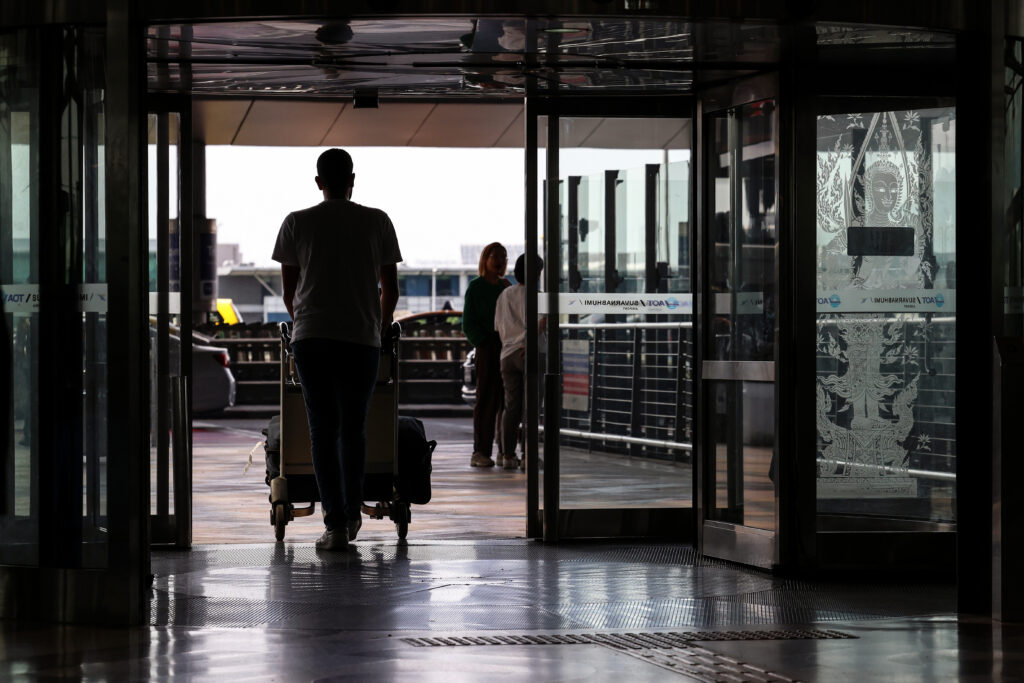
In the face of rising health concerns stemming from an ongoing Ebola outbreak in parts of Africa, Thailand has taken a bold step by implementing a mandatory 21-day quarantine for travelers arriving from the Democratic Republic of Congo and Uganda. This decision marks Thailand as a pioneer in enforcing such stringent health measures, specifically targeting regions significantly impacted by the deadly virus. As a country that heavily relies on tourism, this move reflects both the urgency of public health and the importance of maintaining safety in travel.
The recent spike in Ebola cases has put several nations on high alert, prompting various governments to reassess their strategies for handling incoming travelers. Thailand’s response, however, stands out due to its rigor. Effective from a local time of 6 p.m. on Wednesday, passengers arriving from the aforementioned countries will undergo initial screening at the Bamrasnaradura Infectious Diseases Institute, located on the outskirts of Bangkok. Those who show no symptoms of the virus will be required to remain at the facility for a full three weeks, while symptomatic individuals will be isolated for treatment and further evaluation.
This level of precaution goes beyond the typical screening processes seen in many other countries, which often only involve temperature checks or health questionnaires for travelers from Ebola-affected regions. In contrast, Thailand’s proactive approach is aimed at preventing any potential outbreak within its borders. As a nation known for its bustling tourism industry, it has a significant stake in ensuring that any health crises are swiftly contained to protect both its residents and visitors.
As of now, Thailand has not reported any cases of Ebola, a fact that underscores the effectiveness of its existing health surveillance systems. The country has a history of implementing aggressive measures to combat health threats. For instance, it was one of the first nations outside of China to identify a Covid-19 case linked to Wuhan back in January 2020, well before the virus was declared a global pandemic. Such vigilance is crucial for Thailand, which serves as a major hub for international travel and trade in Asia.
The stringent quarantine regulations are not unique to Thailand. Canada has also announced similar measures to be enacted from May 30, where individuals arriving from the Democratic Republic of Congo, Uganda, and South Sudan will face a mandatory three-week quarantine if they show no symptoms of the virus. Symptomatic travelers will be directed to hospitals for further assessment. This coordinated response among countries indicates a growing awareness of the need for collective efforts in managing health risks associated with international travel.
The urgency behind these measures is further emphasized by the alarming statistics emerging from the Democratic Republic of Congo, where an Ebola outbreak has led to over 100 confirmed infections and hundreds of suspected cases and deaths. The outbreak is attributed to the Bundibugyo strain of the virus, a type that currently lacks both approved treatments and vaccines. The situation highlights the fragility of public health systems in the affected regions, which are struggling to keep up with the rapid spread of the disease.
For travelers and investors alike, these developments serve as crucial considerations in the current landscape of international travel and health safety. Understanding the implications of such health policies can inform better decision-making for those involved in travel-related investments, tourism, and international business operations. Investors in the travel sector should be particularly aware of potential disruptions and changing regulations that could impact market dynamics.
Furthermore, the financial ramifications of such health measures can be significant. Countries reliant on tourism must balance the need for public safety with the economic consequences of reduced international travel. Quarantine violations in Thailand could lead to hefty fines of up to 100,000 baht (approximately $3,000) or even imprisonment, a stark reminder of the serious implications for non-compliance.
In conclusion, Thailand’s bold decision to impose a 21-day quarantine for travelers from Ebola-affected regions sets a new benchmark for health safety in international travel. As nations navigate this complex landscape, the focus will remain on balancing public health imperatives with the economic realities of a globalized world. Travelers, investors, and governments alike must remain vigilant and adaptable in the face of evolving health challenges, ensuring that safety and economic stability can coexist.