
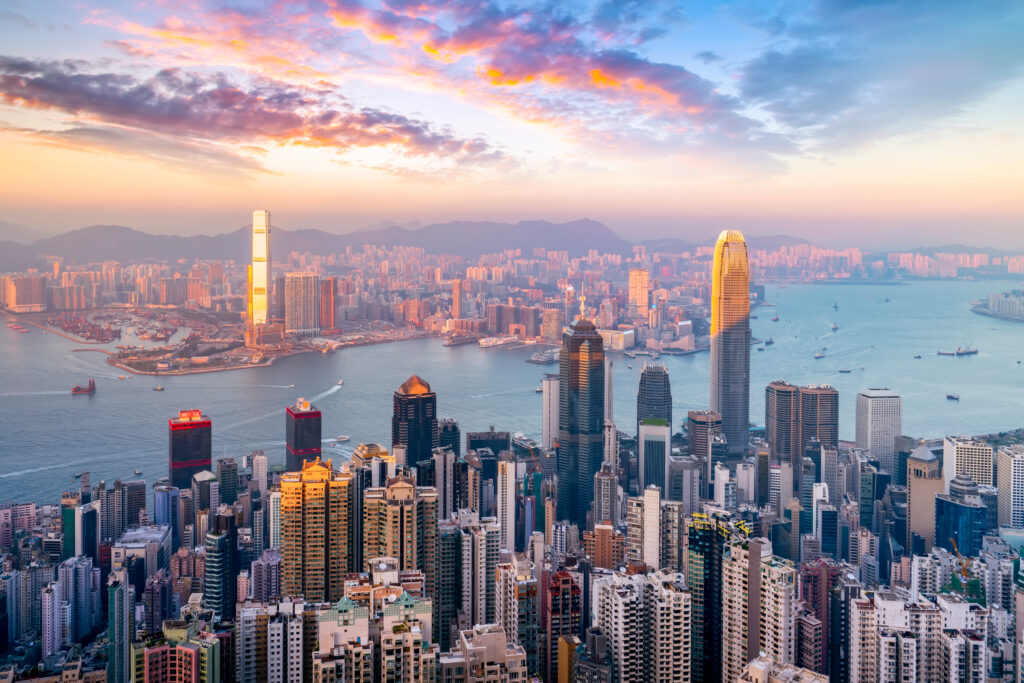
As the financial landscape evolves, Hong Kong has emerged as the world’s most significant cross-border wealth management hub, edging out Switzerland in a race fueled by a surge in mainland Chinese investment and a rejuvenated local equity market. This strategic shift has profound implications for global investors and financial markets, highlighting the dynamic nature of wealth concentration in today’s world.
Recent data from the Boston Consulting Group (BCG) reveals that offshore assets held in Hong Kong reached an impressive $2.9 trillion in 2025, marking a notable increase of 10.7% from the previous year. This growth trajectory positions Hong Kong not only as a leader in Asia but also as a formidable global player in wealth management. The BCG’s 2026 Global Wealth Report projects that the wealth gap between Hong Kong and Switzerland could widen to nearly $600 billion by 2030, driven by the robust performance of China’s manufacturing sector and a revitalization of the initial public offerings (IPOs) market in Hong Kong.
The rise of Hong Kong as a wealth hub comes at a time when global private wealth is expanding at its fastest pace since 2021, reaching a staggering total of $333 trillion. Despite geopolitical tensions and macroeconomic challenges, the growth of wealth is increasingly concentrated in a handful of globally interconnected financial centers. According to Michael Kahlich, a BCG managing director and partner, this trend underscores the gravitational pull of Asian capital markets and the wealth they generate.
One of the most significant beneficiaries of this wealth boom is Hong Kong’s family office ecosystem. The city has witnessed a remarkable 25% increase in single-family offices from 2023, with the total number of such entities reaching 3,384 by the end of the previous year. Each of these offices manages at least $10 million in assets, and over 1,000 of them oversee portfolios exceeding $100 million. This growth reflects not only the influx of wealth but also a growing recognition of Hong Kong as a prime location for wealth management services.
To reclaim its status as a financial powerhouse after facing years of pandemic-related restrictions and political uncertainties, Hong Kong is actively promoting its advantages to the global elite. The city’s government is keen on attracting foreign investment by emphasizing its low tax regime, highly skilled workforce, and vibrant capital markets. This strategy is beginning to bear fruit, as geopolitical instability in regions like the Middle East is prompting affluent investors to diversify their holdings into Asian markets, particularly Hong Kong.
In response to this growing interest, Christopher Hui, Hong Kong’s Secretary for Financial Services and the Treasury, has outlined plans to extend tax concessions across more asset classes. This initiative aims to create a more attractive environment for high-net-worth individuals and their families, further solidifying Hong Kong’s position as a preeminent wealth management hub.
Key takeaways from this shift in wealth dynamics include the increasing concentration of wealth in fewer, globally connected financial centers, with Hong Kong leading the charge in Asia. The growth of family offices in the region illustrates the demand for sophisticated wealth management services, and the government’s commitment to enhancing the business environment will likely continue to draw international capital.
For traders and investors, this evolving landscape presents both opportunities and challenges. The burgeoning wealth in Hong Kong may lead to increased competition for investment opportunities, but it also opens doors for innovative financial products and services tailored to the needs of ultra-wealthy individuals. Engaging with local experts and understanding the regulatory landscape will be crucial for those looking to navigate this dynamic market successfully.
In conclusion, Hong Kong’s ascension to the forefront of global wealth management signifies a pivotal shift in the financial industry. As the city continues to attract significant capital inflows and expand its wealth management capabilities, investors must remain vigilant and adaptable. Embracing the opportunities presented by this new financial hub could yield substantial benefits for those willing to engage with its unique market dynamics.