
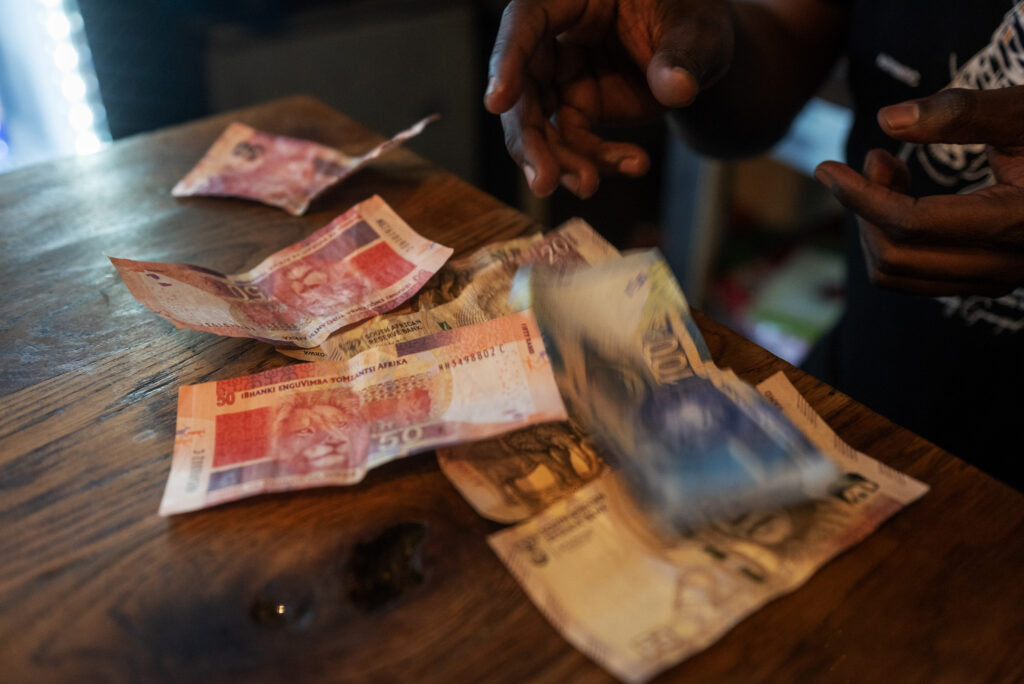
In the first quarter of 2026, South African consumers found themselves navigating a complex financial landscape marked by the introduction of a two-pot retirement system and a series of interest rate cuts. While these measures initially appeared to offer relief, a closer look reveals troubling undercurrents of financial distress. As individuals increasingly dip into their emergency savings and resort to multi-lender borrowing, the question arises: is this temporary relief masking deeper systemic issues?
The two-pot retirement system, implemented to allow greater access to retirement funds, was designed to provide consumers with a vital financial buffer. Coupled with the recent interest rate cuts, this initiative has momentarily alleviated some of the pressures faced by South African households. However, the DebtBusters Debt Index for Q1 2026 indicates that this relief may not be sustainable in the long term.
One of the key findings of the Debt Index is that while fewer individuals sought debt counseling in the wake of these financial cushions, the underlying structural stress within the economy remains significant. According to Benay Sager, the executive head of DebtBusters, the effects of interest rate reductions and access to retirement savings have provided a temporary financial lifeline, but they do not address the root causes of ongoing cash flow challenges.
Despite the initial optimism surrounding the two-pot system, data suggests that financial anxiety continues to plague many South Africans. A notable 23% increase in subscriptions to online debt management tools year-on-year highlights that individuals are still grappling with cash flow issues. Sager’s insights point to a troubling trend: while debt burdens have slightly eased, income growth is not keeping pace with the rising cost of living, leading to an ongoing cycle of financial strain.
A closer examination of the DebtBusters Debt Index reveals a stark contrast in experiences across different income brackets. For those earning less than R10,000 per month, total debt burdens have decreased by as much as 25% since 2021. However, this reduction is largely attributed to tighter credit availability rather than a genuine improvement in financial well-being.
Conversely, high earners in South Africa face a dramatically different reality. Individuals with monthly incomes exceeding R50,000 are starting each month at a disadvantage, often requiring an astonishing 101% of their net salary just to meet basic debt obligations. This group has recorded a staggering debt-to-annual-income ratio of 303%, the highest among all income brackets. The increase in unsecured debt levels—now nearly double since 2021—has significantly outpaced both inflation and salary growth, creating a precarious situation for financial institutions and individuals alike.
The reliance on short-term, unsecured loans has become increasingly pronounced, with 96% of new applicants seeking payday and personal loans to manage their debts. This trend underscores the fragility of many consumers’ financial situations and their dependence on high-interest credit to maintain cash flow.
Key takeaways from this scenario include:
1. The two-pot retirement system, while intended as a safety net, may exacerbate cash flow issues among consumers who are forced to tap into their retirement savings.
2. Interest rate cuts have provided short-term relief but have not resolved the underlying issues of income stagnation and rising living costs.
3. The disparity between low-income and high-income earners illustrates the complexity of financial stress in South Africa, necessitating targeted solutions for different demographics.
4. Increased reliance on short-term loans signals a concerning trend toward unsustainable debt levels, which could pose risks for both borrowers and lenders.
For traders and investors, these trends present both challenges and opportunities. Understanding consumer behavior in the context of debt and saving is critical for making informed decisions in the financial markets. Investors should consider the implications of rising debt levels on consumer spending and the potential for increased defaults in unsecured lending, which could affect bank profitability and overall economic stability.
In conclusion, while the two-pot retirement system and interest rate cuts have provided a temporary reprieve for South African households, the underlying financial health of consumers remains precarious. As cash flow pressures persist and reliance on high-interest loans grows, it is essential for both individuals and policymakers to address the root causes of financial distress. The ongoing shifts in consumer behavior highlight the need for a comprehensive approach to financial well-being that prioritizes sustainable income growth and responsible lending practices.