
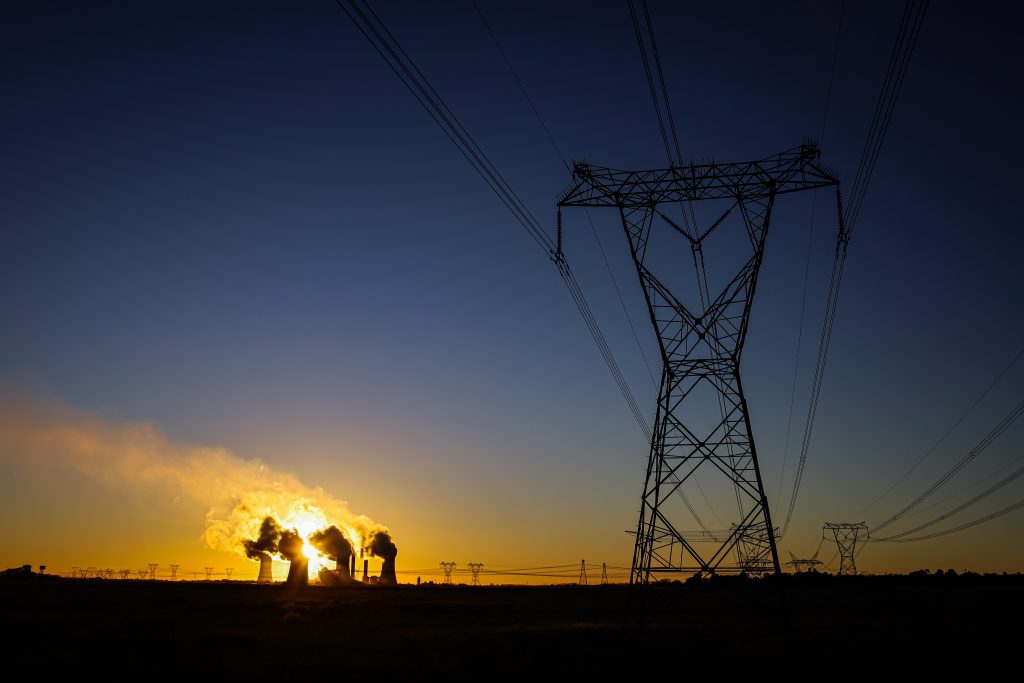
In a significant move towards a sustainable energy future, Eskom Green has officially commenced construction on a substantial 75MW solar power facility at the Lethabo Power Station located in the Free State province of South Africa. This ambitious R1.2 billion project not only signifies Eskom’s commitment to diversifying its energy mix but also offers a unique opportunity to integrate renewable energy generation within its existing coal-fired power infrastructure. As the nation grapples with energy security and sustainability challenges, this initiative is poised to play a pivotal role in reshaping South Africa’s energy landscape.
The Lethabo solar power plant represents a crucial step in Eskom’s broader strategy to transition towards greener energy solutions while maintaining the reliability of its electricity supply. Once operational, the facility is anticipated to generate around 147GWh of renewable electricity annually, enough to power approximately 60,000 households. This project is not just about generating clean energy; it aims to stimulate local economies and foster skill development during both the construction and operational phases, ultimately benefiting the communities surrounding the power station.
One of the standout features of the Lethabo solar initiative is its strategic location. By situating the solar facility within the existing coal-fired power station’s footprint, Eskom can expedite the deployment of new generation capacity. This approach allows the utility to bypass the typical delays associated with grid connections, leveraging established transmission infrastructure and its deep operational expertise. Bheki Nxumalo, Eskom’s group executive for generation, emphasized that this integrated strategy serves as a blueprint for maintaining grid stability while evolving the energy mix. He stated, “Our coal-fired operations remain central to grid stability, and we are strengthening that foundation by integrating renewable capacity on the same footprint.”
Eskom’s CEO, Dan Marokane, further highlighted the importance of this project in the context of the utility’s operational improvements. After a full year of uninterrupted electricity supply, the utility is now well-positioned to incorporate renewable energy sources in alignment with the 2025 Integrated Resource Plan (IRP). The successful execution of this plan is crucial for ensuring the long-term energy security of South Africa, as the country looks to reduce its reliance on fossil fuels and meet its climate commitments.
The Lethabo solar plant is not an isolated venture; it marks the beginning of a larger initiative that encompasses 17 high-priority renewable energy projects across Eskom’s existing coal-fired stations. Collectively, these projects aim to deliver an impressive 6GW of new renewable capacity by 2030, illustrating Eskom’s commitment to a greener energy future. The timeline for construction across this broader portfolio is set between now and 2028, showcasing the utility’s proactive approach to energy transition.
Key takeaways from this development include the potential for job creation and skill enhancement within local communities, the strategic integration of renewable energy within existing infrastructure, and the establishment of a roadmap for future energy projects in South Africa. These initiatives are expected to not only bolster the national grid but also provide economic opportunities and foster community development.
For traders and investors, the Lethabo solar initiative presents intriguing insights into the evolving energy landscape. As governments and utilities worldwide pivot towards renewable energy, businesses in the energy sector may find new opportunities for growth and investment. The integration of renewable projects within existing coal frameworks could serve as a model for other utilities grappling with similar challenges, potentially leading to increased investor interest in sustainable energy solutions.
In conclusion, Eskom Green’s groundbreaking of the Lethabo solar power plant represents a significant stride towards a more sustainable and reliable energy future for South Africa. By harnessing the synergies between traditional coal-fired operations and renewable energy, Eskom is not only addressing current energy demands but also setting a precedent for future developments. As the country embarks on this transformative journey, the successful implementation of such projects will be critical in ensuring energy security, stimulating economic growth, and achieving environmental sustainability. The Lethabo solar initiative stands as a testament to the potential of integrating renewable energy into established frameworks, paving the way for a cleaner and more resilient energy future.