
Johannesburg, often lauded as South Africa’s financial heartbeat, finds itself grappling with a severe fiscal crisis that threatens not only its economic stability but also the well-being of its residents. As the city faces mounting debts to critical service providers like Eskom and Rand Water, the situation demands a closer examination of its implications, strategies for recovery, and potential lessons for investors and stakeholders alike.
The financial troubles of Johannesburg are underscored by a staggering debt of R5.2 billion owed to Eskom and over R1.2 billion to Rand Water. This precarious financial state has not gone unnoticed by the national government. Recently, Finance Minister Enoch Godongwana issued a stark warning to city officials, indicating that funding could be withheld unless corrective measures are implemented. With the backdrop of these financial struggles, the city has outlined its budgetary plans for the upcoming financial year, which include significant tariff increases: 12.5% for water, 11% for sanitation, and 8.6% for electricity. These hikes exceed the current inflation rate of 4%, raising concerns among residents and businesses alike about the affordability of essential services.
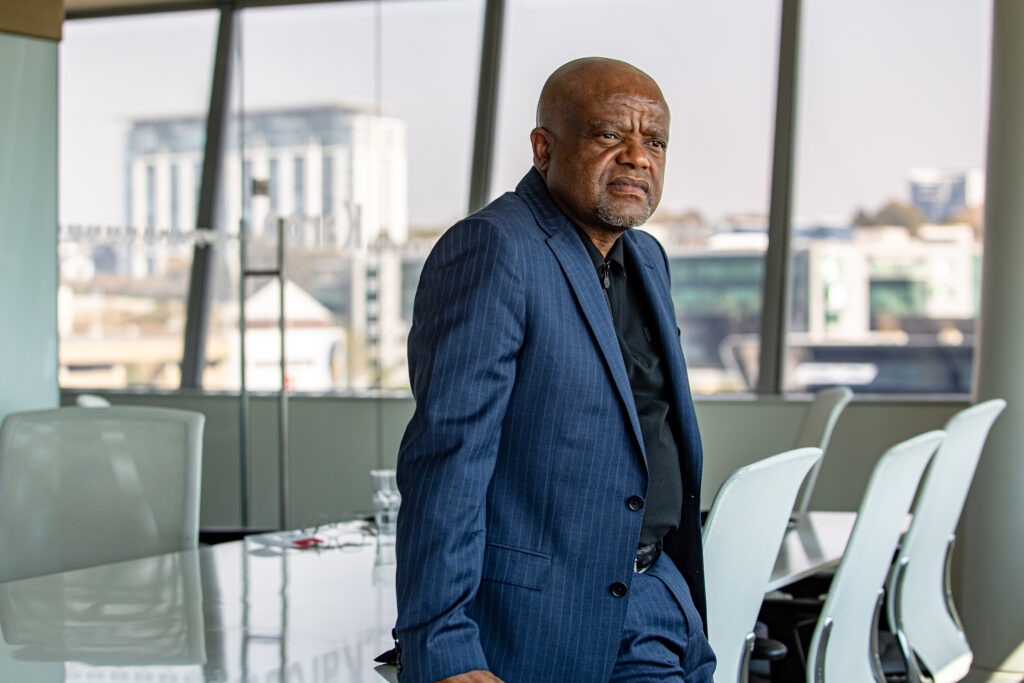
At the helm of Johannesburg’s financial management is Mayor Dada Morero, who recently defended the city’s budget during a public interview. Morero emphasized that the budget, which has been approved by National Treasury, is built on an assumption of an 86% revenue collection rate. While this figure may seem modest, it reflects the current economic realities faced by residents and the challenges of effective service delivery. The mayor expressed optimism, noting an improvement in collection rates, particularly in March and April, where collections reached 90%. This uptick offers a glimmer of hope, suggesting that with targeted efforts, the city might stabilize its financial position.
However, the Minister’s correspondence with Mayor Morero cast a shadow over these optimistic projections. He pointed out that Johannesburg’s liabilities amount to around R25 billion, while cash reserves linger at a mere R4 billion. This stark contrast raises critical questions about the city’s liquidity and its ability to meet immediate financial obligations. The default on Eskom payments is a glaring indication of the fiscal mismanagement that has plagued the city, leading to consequences such as power cuts that could further exacerbate economic stagnation.
The mayor explained that the city’s failure to pay Eskom stemmed from a sharp decline in collection rates to 81% during a critical billing period. This drop not only highlights the challenges of revenue collection but also signals a broader issue regarding the sustainability of electricity tariffs and bulk purchasing agreements. The intricate dynamics of pricing and operational costs must be navigated carefully, as they play a pivotal role in the financial health of municipalities.
Key takeaways from this ongoing financial saga include the necessity for municipalities to maintain robust revenue collection systems, the importance of transparent communication between city officials and national government, and the need for comprehensive strategies that address both immediate fiscal challenges and long-term financial sustainability. Investors and stakeholders should closely monitor Johannesburg’s efforts to rectify its financial situation, as the outcomes will likely impact the broader economic landscape of South Africa.
For traders and investors, this situation presents both risks and opportunities. Companies operating in Johannesburg must prepare for potential operational disruptions due to service delivery challenges, particularly in the energy and water sectors. However, a proactive approach to engaging with local government and contributing to solutions may also yield competitive advantages. Furthermore, the city’s financial restructuring efforts may open doors for investment in infrastructure and service delivery projects, provided that stability and transparency are prioritized.
In conclusion, Johannesburg’s current financial crisis serves as a cautionary tale for municipalities across the globe. The interplay of debt, revenue collection, and service delivery can create a precarious situation for urban centers, particularly in times of economic uncertainty. Through strategic planning, community engagement, and sound financial management, Johannesburg has the potential to recover and emerge stronger. For investors, staying informed and adaptable will be crucial as the city navigates this challenging landscape, ultimately shaping the future of both Johannesburg and the broader South African economy.