
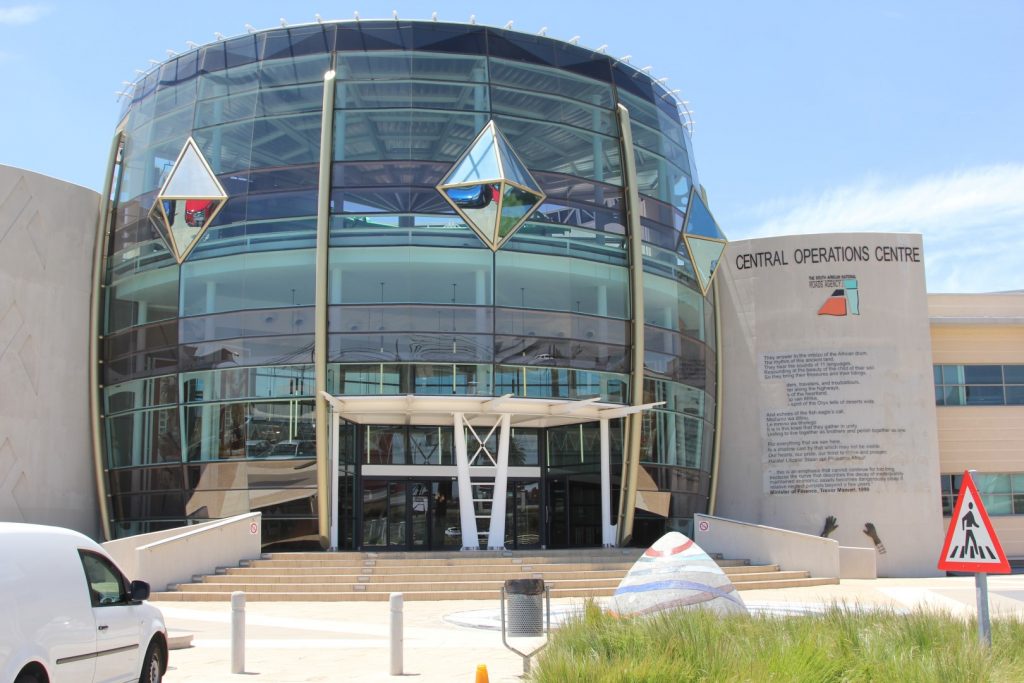
The South African National Roads Agency (Sanral) has recently been thrust into the spotlight as one of Africa’s most valuable brands, raising eyebrows and sparking debate, especially in light of its contentious association with Gauteng’s e-toll system. How can an entity that has been mired in public discontent rank alongside well-known corporate giants? This question deserves a deep dive into the financial and institutional aspects that contribute to Sanral’s brand value, which has been assessed by Brand Finance.
To understand Sanral’s position, it’s crucial to recognize the complex landscape of brand evaluation. Brand Finance, a respected global brand valuation consultancy, does not solely consider popularity or public opinion; rather, it employs a comprehensive financial analysis. This nuanced approach explains how Sanral, despite its troubled history with the e-toll system, has managed to secure the 84th position among Africa’s most valuable brands and 53rd in South Africa, with a brand value of approximately R2.8 billion.
At first glance, the public’s perception of Sanral may be heavily influenced by its connection to the e-tolling debacle, which faced widespread criticism and protests from motorists. The e-toll system was designed to fund highway improvements but became a source of frustration due to high fees and enforcement issues. Despite this, Brand Finance’s analysis revealed that Sanral’s brand value has shown signs of recovery and improvement in how the public views the agency.
Sanral’s ranking is underpinned by what Brand Finance describes as a “bespoke” scoring system tailored specifically for the agency, recognizing that it is not a traditional consumer brand. Instead of the standard eleven brand equity indicators used for commercial entities, Sanral was evaluated on 47 different metrics. This comprehensive assessment encompassed various dimensions, including service delivery, stakeholder trust, governance, and institutional capability, among others.
A key finding from the Brand Finance evaluation is that Sanral has made strides in enhancing its public perception. Research indicates a tripling of its public brand equity since 2016, suggesting that despite the historical baggage related to e-tolls, there has been a notable shift in public sentiment. This is significant for an agency that operates in a public infrastructure space where customer choice is limited.
Moreover, the financial context surrounding Sanral is equally important. The agency manages a whopping R831 billion in assets, with a road network valued at R680 billion. However, it has faced considerable challenges due to accumulated debt linked to the e-toll system. In fact, Brand Finance reported that Sanral’s brand value took a hit of about 20% following the formal withdrawal of the e-toll declaration, as it led to lowered expectations of future toll revenues. The agency’s credit losses associated with unpaid e-tolls, now amounting to R28.96 billion, have been fully impaired, indicating a significant financial overhaul.
For traders and investors, Sanral presents a unique case study. The agency’s ability to improve its brand strength in the face of adversity may indicate resilience and potential for future growth. While revenue from tolls has decreased significantly—from 35% of total revenue a decade ago to just 17% today—there may be opportunities in the agency’s expanding focus on alternative revenue streams and infrastructure development projects.
Investors should consider the broader implications of Sanral’s ranking when evaluating sectors related to public infrastructure. The agency’s commitment to improving governance and institutional performance could enhance public-private partnerships and attract investment into South Africa’s road infrastructure—critical for economic growth.
In conclusion, Sanral’s emergence as a notable brand in Africa, despite its controversial past, serves as a compelling narrative of institutional resilience. The agency’s brand value reflects not only its financial metrics but also the strides it has made toward improving public perception and stakeholder trust. As the landscape of public infrastructure evolves, Sanral may offer valuable insights for investors and stakeholders looking to navigate the complexities of state-owned enterprises. The journey of Sanral underscores the importance of adaptive strategies in brand management, particularly in sectors that are inherently tied to public sentiment and financial stability.