
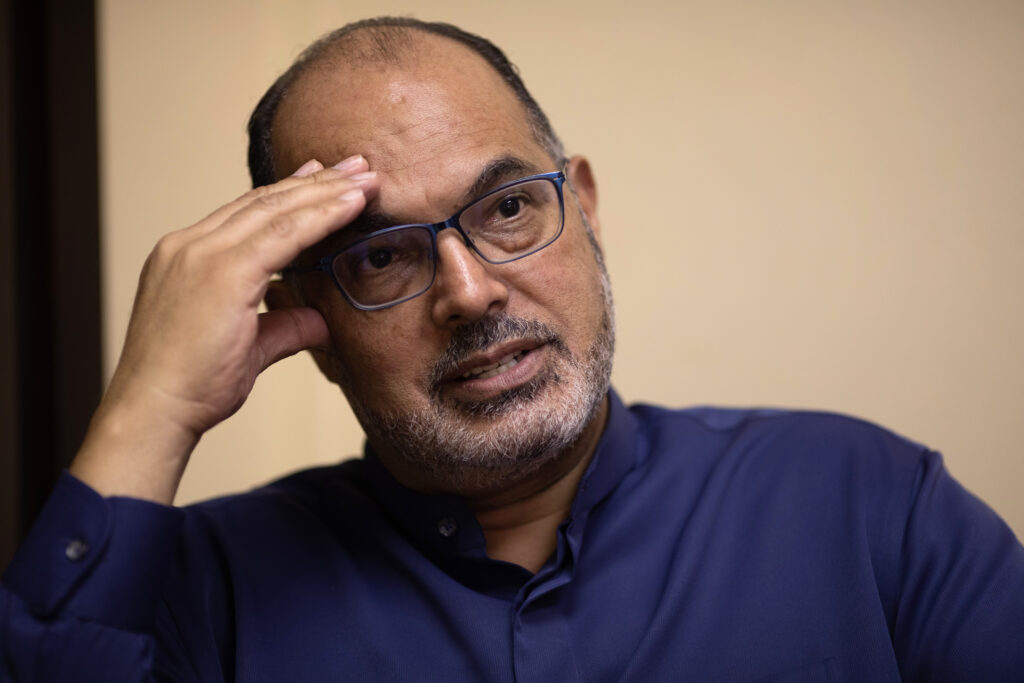
In 2019, Edward Kieswetter took on the monumental task of leading the South African Revenue Service (SARS) at a time when the institution was grappling with a profound crisis of credibility. The years of state capture had left SARS not only diminished in its operational efficacy but also deeply mistrusted by the public it served. His journey to restore the agency’s integrity and reputation is an insightful case study into leadership, resilience, and the complex relationship between institutions and the communities they serve.
Upon assuming his role, Kieswetter was confronted with a landscape marked by disillusionment among staff and widespread skepticism among the populace. The years prior had seen significant erosion in the public’s trust, as allegations of corruption and mismanagement shook the very foundations of the organization. Rather than shying away from this challenge, Kieswetter embraced it, understanding that rebuilding trust would require a multifaceted approach that not only addressed operational inefficiencies but also re-engaged the public.
At the core of Kieswetter’s strategy was the recognition that trust is not merely granted but earned. He understood that in order to repair the frayed relationship between SARS and South Africans, transparency, accountability, and effective communication were crucial. Throughout his tenure, he placed a strong emphasis on these principles, initiating reforms that aimed to re-establish the agency’s authority not through coercion but through partnership.
One of the key initiatives undertaken by Kieswetter was the overhaul of SARS’s operational processes. This included the implementation of new technologies and systems designed to streamline tax collection while reducing bureaucratic inefficiencies. By modernizing the agency’s approach, he aimed to create a more user-friendly experience for taxpayers, thus fostering a sense of cooperation rather than confrontation. This technological upgrade was not merely about efficiency; it was part of a broader strategy to signal to the public that SARS was committed to serving them with integrity and respect.
Kieswetter also recognized the importance of engaging with various stakeholders, including businesses and civil society organizations. By opening channels for dialogue and feedback, SARS sought to create an environment where taxpayers felt heard and valued. This engagement was essential in shifting the narrative around the agency from one of fear and resentment to one of collaboration and mutual benefit. The notion that taxpayers are partners in the process, rather than adversaries, became a cornerstone of Kieswetter’s leadership philosophy.
The journey of rebuilding trust at SARS was not without its challenges. The historical baggage of the past weighed heavily, and public skepticism did not dissipate overnight. However, Kieswetter’s leadership style—characterized by humility, transparency, and a willingness to admit mistakes—helped to gradually change perceptions. He often emphasized that leadership is not about asserting authority but about inspiring confidence and fostering a culture of accountability.
Key takeaways from Kieswetter’s tenure include the importance of clear communication in leadership, the need for financial institutions to adapt to modern technological demands, and the value of stakeholder engagement in rebuilding relationships. Trust, it seems, is built through consistent and reliable actions, not just promises.
For traders and investors observing this transformation, there are several insights to consider. First, the rebuilding of an institution like SARS can have far-reaching implications for the broader economy. A revitalized revenue service may lead to increased tax compliance, thus boosting government revenues and enabling further investment in public services and infrastructure. This, in turn, can create a more favorable environment for business, enhancing investor confidence.
Moreover, the case of SARS serves as a reminder of the critical role that governance and institutional integrity play in economic stability. Investors often seek out environments where the rule of law is respected and institutions function effectively. Therefore, the efforts made by Kieswetter and his team could potentially signal a more stable and predictable economic landscape, which is appealing for both domestic and foreign investors.
In conclusion, Edward Kieswetter’s leadership at the South African Revenue Service is a compelling narrative of resilience and commitment to restoring trust in a beleaguered institution. His approach highlights the essential role of transparency, technology, and engagement in rebuilding relationships with stakeholders. As SARS moves forward under new leadership, the lessons learned during Kieswetter’s tenure will undoubtedly serve as a foundation for continued progress in fostering a trustworthy and effective revenue service—an essential pillar for any thriving economy.