
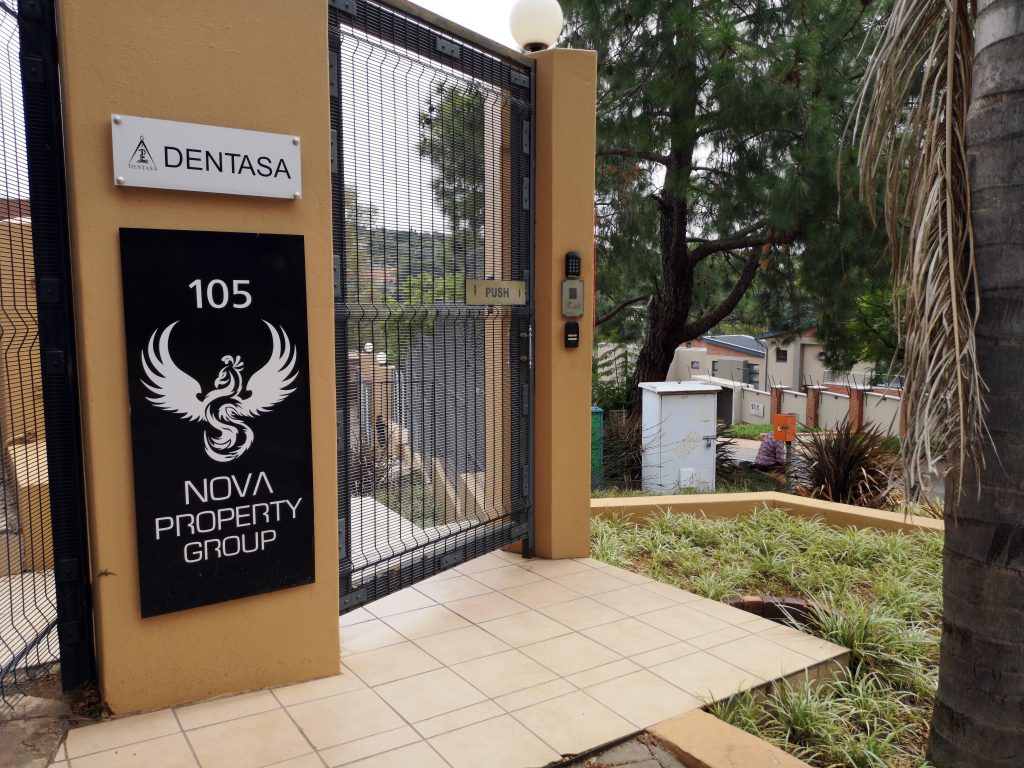
In the complex world of corporate finance, transparency and accountability are paramount. Recently, the trustee of the Nova Debenture Trust, Jean-Pierre Tromp, has brought significant concerns to light regarding the Nova Property Group. His allegations, filed with the Independent Regulatory Board for Auditors (Irba), highlight a series of troubling irregularities tied to the company’s financial reporting practices. These issues not only raise questions about the integrity of Nova’s financial disclosures but also suggest deeper systemic issues within the organization that could affect investors and stakeholders alike.
At the heart of Tromp’s complaint is the alleged failure of Nova’s auditors, ARC Inc, to report critical irregularities in the company’s financial statements for the year ending February 2025. The complaint underscores that Nova has not issued its audited annual financial statements (AFS) within the six-month period mandated by Section 30 of the Companies Act. As of now, these statements are almost nine months overdue, raising red flags for both the regulatory bodies and the investing public. The lack of timely financial disclosures is particularly concerning, especially given Nova’s history as a rescue vehicle for the defunct Sharemax investment scheme.
The ramifications of not adhering to the Companies Act extend beyond mere compliance issues. Tromp also alleges that ARC Inc has neglected to report significant liabilities related to the South African Revenue Service (SARS), which may include unpaid value-added tax (VAT) for multiple years. This situation poses a risk not only to Nova’s financial health but also to its reputation in the marketplace. The ongoing failure to adequately address these financial reporting obligations further exacerbates concerns about the company’s viability as a going concern.
One particularly alarming aspect of this situation is Tromp’s assertion that Nova may be attempting to circumvent a directive from the Companies and Intellectual Property Commission (CIPC) issued in 2022. This directive prohibits Nova from selling additional assets, a restriction that could be sidestepped if the company allows the liquidation of its valuable property, the Flora Centre. Tromp suggests that the proceeds from such a liquidation could be funneled back into the company, potentially benefiting its board members, including chair Connie Myburgh and CEO Dominique Haese, who have reportedly received substantial compensation over the years.
The remuneration details of Myburgh and Haese remain murky, primarily due to the delayed release of both the 2025 and 2026 AFS. This lack of transparency raises additional concerns about the governance practices within Nova, as shareholders and other stakeholders are left in the dark regarding executive compensation during a time of financial turmoil.
Tromp’s complaint to Irba follows a previous filing with the CIPC, wherein he expressed similar concerns about the company’s financial practices and the directors’ alleged reckless trading activities. The complaint argues that the directors are continuing to operate the business despite evident risks to its solvency and overall financial stability. Such actions not only contravene the Companies Act but also pose significant risks to investors who may be misled about the company’s true financial condition.
Key takeaways from this situation include the critical nature of compliance with financial reporting regulations and the potential consequences of failing to do so. Investors and traders should closely monitor these developments, as they may indicate deeper issues at play within Nova Property Group. The allegations of mismanagement, coupled with the failure to address financial liabilities, suggest a company that may be struggling to maintain its operational integrity.
For traders and investors considering exposure to Nova Property Group, it is vital to proceed with caution. The ongoing regulatory scrutiny, combined with potential financial discrepancies, could lead to significant volatility in the company’s stock price. Investors should prioritize due diligence and stay informed about the outcomes of Tromp’s complaints, as well as any regulatory actions that may arise from this situation.
In conclusion, the unfolding saga surrounding Nova Property Group is a stark reminder of the importance of transparency and accountability in corporate governance. As the trustee’s complaints are reviewed by regulatory bodies, the implications for the company and its stakeholders remain to be seen. Investors must remain vigilant and informed, as the resolution of these issues could have lasting impacts on the company’s future and the broader market landscape.