
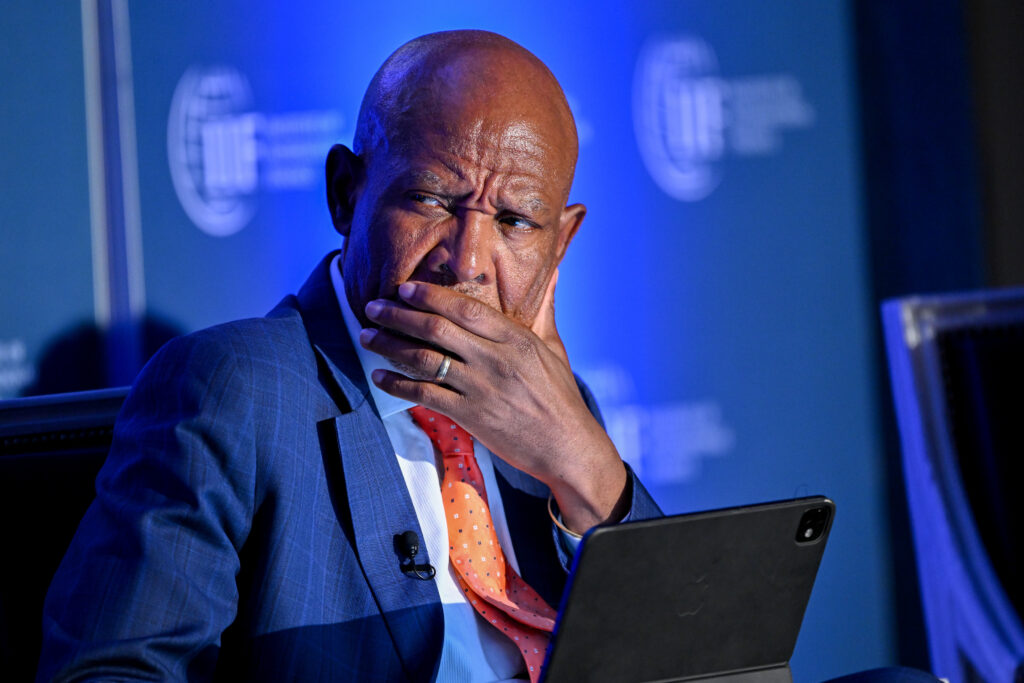
In a significant pivot for South Africa’s monetary policy, the South African Reserve Bank (SARB) is poised to raise interest rates for the first time in three years. This anticipated action comes as a response to surging inflationary pressures primarily linked to geopolitical tensions, notably the ongoing conflict in Iran, which has led to escalating oil prices. As the SARB gears up for this important decision, it raises questions about its implications for investors, consumers, and the broader economy.
The decision by the SARB, particularly under the leadership of Governor Lesetja Kganyago, is expected to involve a modest increase of 25 basis points, bringing the benchmark interest rate to 7%. This move aligns South Africa with a small but growing number of central banks around the world, such as those in Indonesia and Mauritius, that have opted to tighten monetary policy amid rising inflation concerns while many others remain on the sidelines.
So, what factors are driving this decision? The geopolitical instability in the Middle East, particularly the conflict in Iran, has significantly disrupted oil supply routes, leading to a sharp increase in energy costs. This disruption has influenced inflation rates across various sectors, including transportation and food. As a result, South Africa’s inflation rate climbed to 4% in April, a notable rise from 3.1% in March. With the SARB’s target inflation rate set at 3%, policymakers are under pressure to act to prevent further inflationary spirals.
Economists’ forecasts suggest that most members of the monetary policy committee will support the rate hike, although opinions may vary regarding the magnitude and timing of future increases. For instance, Andrew Matheny, an economist at Goldman Sachs, indicates that the SARB is likely to prepare for more aggressive policy adjustments should inflation expectations deteriorate further. His insights reflect a growing consensus: the SARB must remain vigilant and responsive in the face of unpredictable global economic pressures.
One of the pressing concerns is the potential for a “second-round” effect from rising oil prices, where increased transportation costs lead to broader increases in prices across other sectors. While some experts believe that this effect is yet to be fully realized, there’s a clear expectation that if inflationary pressures persist, further rate hikes may be on the horizon.
For investors, these developments signal a pivotal moment. Higher interest rates typically mean higher borrowing costs, which can lead to reduced consumer spending and investment. However, they can also provide opportunities for those looking to invest in fixed-income securities, as rising rates often lead to more attractive yields. Investors should also consider sectors that might be more resilient to inflationary pressures, such as commodities and certain equities that can pass on costs to consumers.
Furthermore, as inflation forecasts are likely to be revised upward, it’s crucial for investors to stay informed about how these changes may impact various asset classes. Keabetswe Mojapelo, a macroeconomist at Rand Merchant Bank, points out that the central bank will be closely monitoring inflation trends before making further adjustments. This cautious approach suggests a balanced strategy, allowing policymakers to respond dynamically to evolving economic conditions.
As we look ahead, the upcoming SARB meeting could set the tone for South Africa’s economic landscape in the coming months. Investors should remain alert to the central bank’s communication regarding its future policy stance and any indications of potential rate increases.
In conclusion, the SARB’s decision to raise interest rates is a crucial step in addressing rising inflation driven by external geopolitical factors. While the immediate impact on consumers may lead to higher borrowing costs, the broader implications for investors could present both challenges and opportunities. As the situation unfolds, keen attention to economic indicators and central bank communications will be essential for navigating this evolving landscape. Investors who stay informed and agile may well find ways to leverage these changes to their advantage, ensuring that they remain ahead in a complex financial environment.