
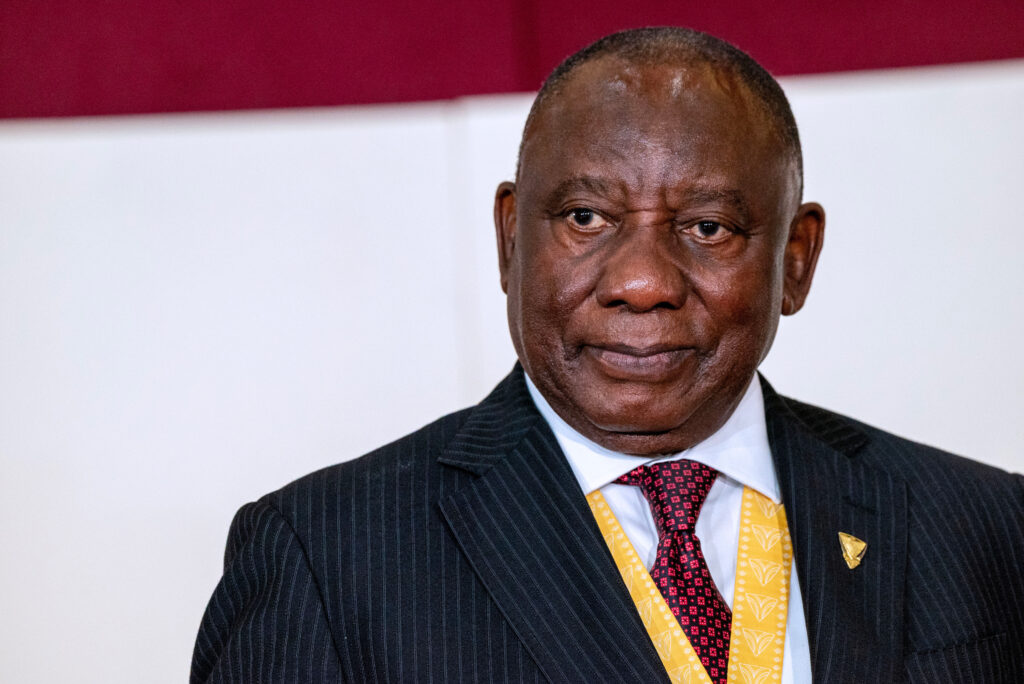
In the complex world of South African politics, President Cyril Ramaphosa finds himself at a critical juncture, facing scrutiny that could have substantial implications for his presidency and the ruling party, the African National Congress (ANC). The ongoing debate over whether to initiate an impeachment inquiry against him is not just a matter of legal procedure; it reflects deeper issues of governance, accountability, and public trust in leadership. This blog post aims to dissect the current situation, examining the legal battles, political dynamics, and potential outcomes of this unfolding saga.
At the heart of the controversy is a robbery incident that occurred at Ramaphosa’s game farm in 2020, where a significant amount of foreign currency was reportedly stolen. Allegations have surfaced that the president may have concealed this crime and potentially violated anti-corruption and foreign-exchange regulations. This incident has led to a series of investigations and a complaint to the parliamentary speaker, sparking discussions about whether to proceed with an impeachment inquiry. Ramaphosa’s legal team has taken steps to halt these proceedings, claiming that the inquiry is based on flawed findings from an advisory panel that suggested he may have committed serious violations.
The South African parliamentary speaker is currently seeking legal advice on how to move forward with the impeachment inquiry. Despite Ramaphosa’s legal maneuvers, a multiparty panel of lawmakers is pushing ahead with the investigation, with their first meeting scheduled for the upcoming week. This dynamic creates an environment of tension within the legislature, as the committee prepares to elect a chairperson and begin its work amidst the backdrop of the president’s legal challenges.
Key takeaways from this situation indicate that the stakes are high for both Ramaphosa and the ANC. The president’s attempts to halt the impeachment inquiry through the Western Cape High Court highlight his concerns over the legitimacy of the advisory panel’s findings. Ramaphosa asserts that the conclusions drawn were based on hearsay and lack credible evidence, thus calling into question the integrity of the parliamentary process. Furthermore, he has requested that all related parliamentary actions be paused until the court reviews the advisory panel’s report.
Despite the gravity of the allegations, it’s important to note that Ramaphosa has maintained strong support within the ANC, which complicates the prospects of his removal from office. The party, having been in power for decades, has a vested interest in maintaining stability, particularly as municipal elections loom on the horizon in November. This creates a precarious balancing act: while Ramaphosa faces serious allegations, his political survival appears to be bolstered by the loyalty of his party members.
For traders and investors, the implications of this political uncertainty cannot be ignored. South Africa, like many emerging markets, is sensitive to political stability, and the unfolding events could influence investor sentiment. If the impeachment inquiry progresses and leads to significant findings against Ramaphosa, it could result in a loss of confidence in the government, potentially affecting the South African Rand and the broader financial markets. Conversely, if Ramaphosa is exonerated, it could reinforce his position and provide a sense of stability, which may positively impact market sentiments.
In conclusion, the situation surrounding President Cyril Ramaphosa and the potential impeachment inquiry encapsulates the intricate relationship between politics and governance in South Africa. As the investigation unfolds, both the president and the ANC are navigating a landscape fraught with challenges. The outcome of this inquiry could have far-reaching consequences not only for Ramaphosa’s future but also for the political and economic stability of South Africa as a whole. Stakeholders, from policymakers to investors, will be closely watching the developments, as the intersection of law and politics continues to shape the nation’s trajectory. The coming weeks will be critical in determining whether this political storm will pass or escalate into a full-blown crisis.