
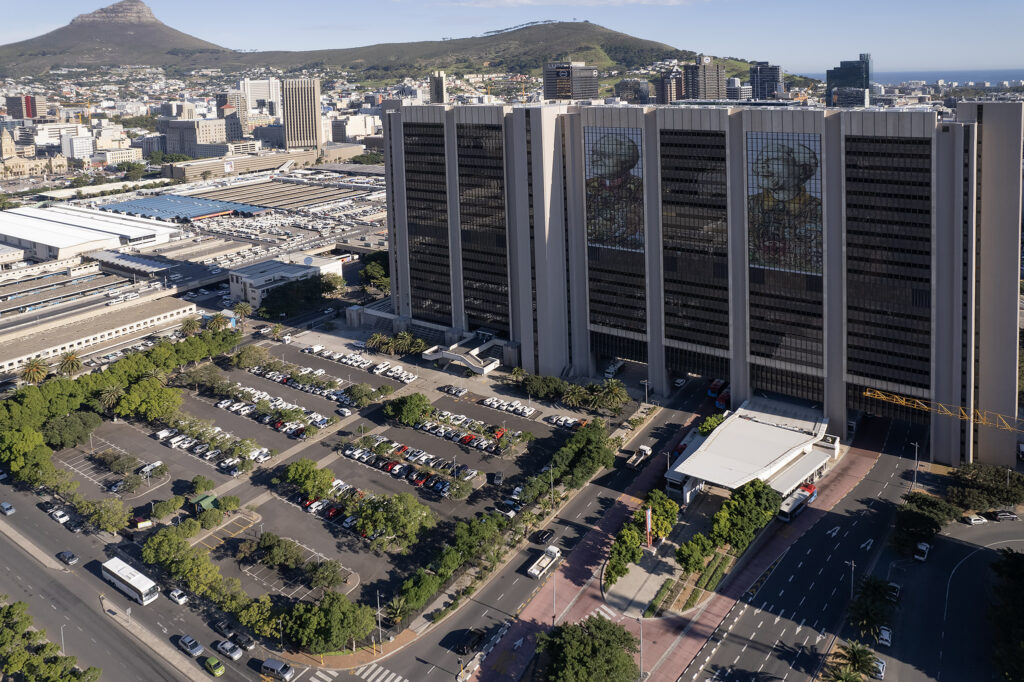
In a significant step towards addressing the pressing housing crisis in Cape Town, the City Council has given the green light for the conversion of an underused parking lot adjacent to the Civic Centre into a mixed-use development. This initiative not only aims to provide affordable housing but also seeks to enhance the urban landscape of the city. As the council prepares to engage the public in the upcoming participatory process, the implications of this decision are both immediate and far-reaching for residents, investors, and urban planners alike.
The decision to repurpose the parking lot comes amid growing concerns over the availability of affordable housing in Cape Town. The estimated value of the land is around R235 million, and if the sale materializes, the proceeds are earmarked for maintaining and enhancing the Civic Centre itself. This move reflects a broader recognition of the need to utilize public land more effectively, particularly in urban settings where demand for housing is skyrocketing.
At the heart of this initiative is the concept of “market-driven” affordable housing, which differs significantly from traditional social housing models. Unlike social housing, which is typically subsidised by the government to aid low-income families, the proposed housing units will cater to households earning less than R32,000 a month but will rely on a cross-subsidisation model. This means that the revenue generated from higher-end units within the same development will help make the affordable units financially viable. The city hopes to strike a balance between profitability and social responsibility, providing a range of housing options that can accommodate various income levels.
The parking lot in question currently has 355 spaces, of which only half are utilized during weekdays. The council’s report suggests that transforming this space could not only alleviate the housing shortage but also optimize land use within the city. Plans indicate that the new development could rise between 20 to 24 storeys, signalling a significant shift in how urban spaces are conceived in Cape Town.
However, this initiative has not come without its critics. Councillor Axolile Notywala from the GOOD party has voiced concerns over prioritizing land for inclusionary housing, suggesting that the city should have a comprehensive affordable housing policy in place before proceeding with the sale of public land. Notywala argues that many working-class residents, who make up a substantial portion of the city’s workforce, may not benefit from the current proposal. This sentiment echoes a broader call from housing advocates who argue that without careful planning and policy, the new units may not cater to the very individuals who need them the most.
The #Land4PeopleNot4Parking campaign has also highlighted the city’s potential for developing additional sites for affordable housing. With proposals to utilize other government-owned properties, including parking lots in more central locations, there is an ongoing dialogue about how Cape Town can best serve its residents while promoting inclusive growth.
This emerging landscape of affordable housing is essential for sustaining the city’s economic vitality. Analysts and investors alike are keeping a close eye on the developments, as the successful implementation of such projects could positively influence property values and urban livability. For investors, the mixed-use model presents an attractive opportunity, merging residential and commercial elements that can yield diverse revenue streams.
For traders and investors, understanding the dynamics surrounding affordable housing can provide insights into market trends. With the city actively seeking to revitalize underutilised land, there is potential for significant appreciation in property values, particularly in areas earmarked for development. Moreover, as public sentiment increasingly leans toward sustainable urban development, companies and investors that align themselves with these initiatives may find themselves ahead of the curve, benefiting from both financial returns and positive community impact.
In conclusion, Cape Town’s decision to repurpose an underutilised parking lot into a mixed-use development is a pivotal move towards addressing the city’s housing crisis. It reflects a growing recognition of the need for affordable housing and the importance of optimizing public land use. While challenges remain, particularly in ensuring that low-income workers are included in these developments, the potential benefits for the community, the city, and investors are significant. As the public engagement process unfolds, all eyes will be on how Cape Town navigates this transformative journey in urban development.