
In the world of finance, interest rates serve as a crucial barometer for economic health, influencing everything from consumer spending to investment strategies. Recently, the South African Reserve Bank (SARB) made headlines by raising its repo rate by 25 basis points, bringing it to 7%. While this move was anticipated by many analysts, the broader implications of this decision remain a topic of significant interest, especially considering the geopolitical factors at play. Let’s delve into what this rate hike means for South Africa’s economy, inflation forecasts, and potential investor strategies.
The South African Reserve Bank’s decision to increase the repo rate marks an important moment for the economy as it navigates a complex landscape fraught with challenges. This increase, which took effect on May 29, was not only a response to domestic economic conditions but also a reaction to external pressures, particularly the ongoing turmoil in the Middle East. As tensions escalate, analysts are keenly observing how these developments might influence oil prices and, consequently, inflation.
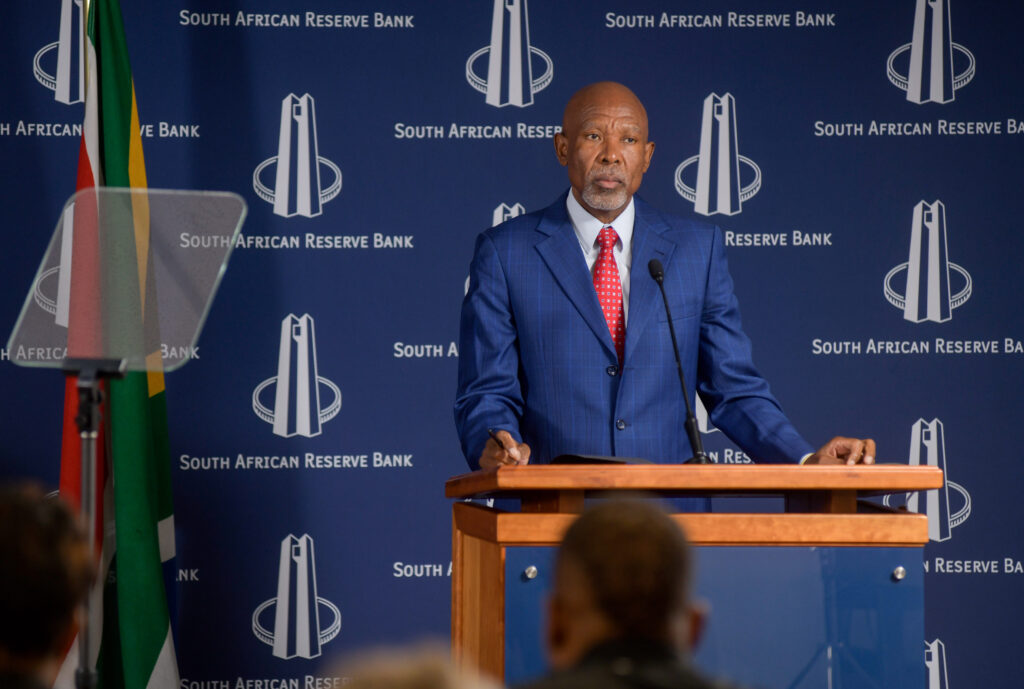
It’s essential to understand the context behind the SARB’s decision. The Monetary Policy Committee (MPC) voted to raise the rate, with four members supporting the increase and two preferring to maintain the status quo. Such a split decision indicates that while there is a consensus on the need for caution, there are differing opinions on the urgency of further tightening. SARB Governor Lesetja Kganyago emphasized that this rate hike was a proactive measure aimed at managing risks associated with inflation and economic uncertainty.
Inflation has been a growing concern for the SARB, particularly with rising oil prices and supply chain disruptions impacting consumer goods. The SARB has revised its inflation forecasts, now expecting an average headline inflation rate of 4.4% for this year and 3.7% for the following year, with a target of returning to 3% by 2028. These projections reflect the bank’s awareness of the potential for second-round effects stemming from overlapping economic shocks. The SARB’s decision to raise interest rates is, therefore, a strategic move to anchor inflation expectations and maintain consumer confidence.
For investors, this recent rate hike implies a more cautious approach to financial markets. The immediate question that arises is whether further rate increases will follow. While some analysts believe that additional hikes may be unnecessary if geopolitical tensions ease, the path forward remains uncertain. Johann Els, chief economist at PSG Financial Services, suggests that the trajectory of future rate changes will largely depend on developments in the Middle East, particularly any progress towards a ceasefire that could stabilize oil prices.
The implications of this rate hike extend beyond immediate monetary policy; they resonate throughout various sectors of the economy. With higher interest rates, borrowing costs for businesses and consumers will rise, potentially dampening investment and household spending. This could lead to a slowdown in economic growth, which the SARB has already acknowledged in its revised forecasts. As a result, investors may want to reassess their portfolios, focusing on sectors that are more resilient to economic fluctuations.
In navigating this landscape, here are some key takeaways for traders and investors:
1. **Monitor Geopolitical Developments:** The ongoing situation in the Middle East will play a crucial role in shaping economic conditions in South Africa. Investors should stay informed about global events that may impact oil prices and inflation.
2. **Understand Inflation Dynamics:** With the SARB’s focus on managing inflation, investors should consider how rising costs could affect consumer behavior and corporate profitability.
3. **Assess Sector Vulnerability:** Not all sectors will respond uniformly to rate hikes. Identifying industries that can withstand economic headwinds, such as consumer staples or utilities, may provide better protection during periods of uncertainty.
4. **Consider Long-Term Strategies:** While short-term volatility may be a concern, maintaining a long-term investment perspective can help navigate temporary economic fluctuations.
In conclusion, the recent interest rate hike by the South African Reserve Bank signals a cautious yet strategic response to heightened inflation risks and external economic pressures. As the SARB navigates this complex landscape, investors will need to remain vigilant and adaptable, considering the implications of these monetary policy changes on their portfolios. While uncertainty looms, informed decision-making and strategic planning will be key to weathering the challenges ahead.