
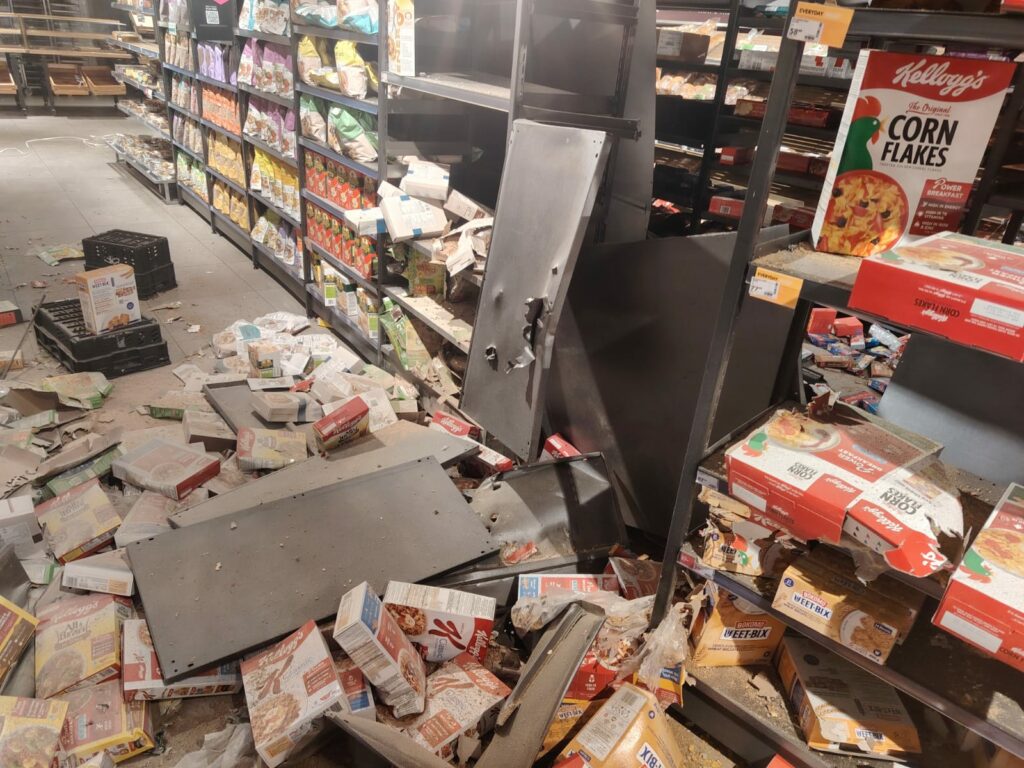
In recent days, South Africa has been shaken by a series of alarming incidents involving explosions at Woolworths stores, with two separate explosions occurring within just over 24 hours. These incidents have not only raised concerns for public safety but also highlighted the pressing need for improved security measures in retail environments. As investigations unfold, it is vital to assess the broader impact of such events on the retail sector, consumer confidence, and the strategies businesses may adopt to safeguard against future threats.
The first explosion took place at the Woolworths store located in Menlyn Mall, Tshwane, during the early hours of Thursday morning. Reports indicate that the store manager was alerted by staff on-site about the blast, which occurred around 1 a.m. Investigating authorities confirmed that an unknown explosive device detonated on one of the store’s shelves. Fortunately, there were no injuries reported, as only five employees were working at the time, and the damage was primarily limited to food items and shelving.
Following this incident, police have initiated a thorough investigation into the circumstances surrounding the explosion, enlisting specialized units such as the Bomb Disposal Unit and Crime Scene Management. They are exploring all potential leads and have registered a case of contravention of the Explosives Act for further inquiry.
Just as the investigation into the Menlyn Mall explosion was gaining traction, a second incident was reported at Woolworths in Preller Square, Bloemfontein. This explosion occurred around 3 a.m. and was also confirmed to involve an explosive device. Similar to the first incident, the local South African Police Service (SAPS) Explosives Unit is actively probing the scene for clues. At this point, it remains uncertain whether the two explosions are connected.
In response to these incidents, Woolworths has expressed its commitment to cooperating fully with law enforcement and investigators. The company has indicated that it is prioritizing the safety of its employees and customers, emphasizing that any attack on its business is seen as a direct challenge to its values and the community it serves. To enhance security measures, Woolworths has increased vigilance across its stores nationwide and engaged specialized forensic experts to bolster its security and intelligence capabilities.
The implications of these explosions extend far beyond immediate concerns for safety. For the retail sector, incidents like these can significantly erode consumer confidence. Shoppers may become apprehensive about visiting stores perceived as vulnerable to such attacks, potentially leading to decreased foot traffic and sales. As businesses strive to maintain a sense of safety and security within their environments, they must also navigate the delicate balance of fostering customer trust while addressing heightened security protocols.
Key points to consider in the wake of these explosions include the importance of crisis management in retail, the necessity of robust security measures, and the potential long-term effects on consumer behavior. Retailers must be proactive in addressing safety concerns and communicating effectively with customers about the steps they are taking to protect them.
For traders and investors, these incidents may serve as a reminder of the unpredictable nature of the retail environment. Security breaches can have immediate financial repercussions, including increased operational costs for security enhancements and potential declines in sales. Investors should keep a close eye on Woolworths’ stock performance and the broader retail sector as companies respond to these challenges.
In conclusion, the recent explosions at Woolworths serve as a stark reminder of the vulnerabilities within the retail industry. As investigations continue, it is crucial for businesses to prioritize security while maintaining customer trust. The response from Woolworths, as well as other retailers, will likely shape consumer confidence and the overall retail landscape in the near future. It is imperative for the industry to learn from these incidents and develop strategies that not only address safety concerns but also enhance the shopping experience in a way that reassures customers and fosters loyalty.