
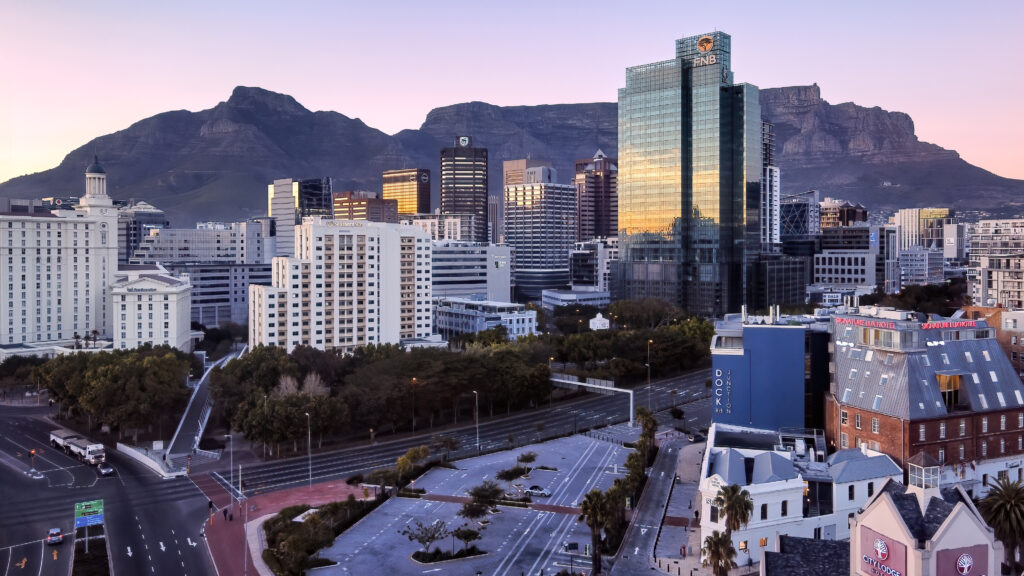
In a significant boost for South Africa’s economic landscape, Moody’s Ratings recently upgraded its outlook for the City of Cape Town from stable to positive. This decision aligns with the agency’s earlier upgrade of the national government’s ratings. As global economic conditions continue to oscillate, such affirmations can have profound effects not only on investor sentiment but also on the strategic planning of local governments.
Moody’s Ratings, a prominent credit rating agency based in London, has affirmed both South Africa’s and Cape Town’s long-term issuer ratings at Ba2. While this is still classified as junk status—two notches below investment grade—it signals a potential turnaround for the region. The positive outlook is a reflection of Cape Town’s commendable governance and proactive measures taken to enhance its financial stability and infrastructure resilience.
The upgrade comes amid a backdrop of growing expectations for improved credit ratings in South Africa. Moody’s decision is significant as it highlights the city’s efforts to mitigate the impact of nationwide electricity shortages through innovative strategies such as municipal power procurement and energy diversification. These initiatives not only demonstrate Cape Town’s commitment to sustainability but also reduce its vulnerability compared to the national context and other metropolitan municipalities.
Key points of interest from Moody’s report include the city’s strong standalone credit profile, sound financial governance, and prudent financial planning. By maintaining its Ba2 long-term issuer rating, Moody’s has recognized Cape Town as a leader in the country, setting a benchmark for other cities in terms of governance and service delivery. The city’s proactive approach to managing its finances and public services has garnered attention, showcasing a model of effective local governance.
For traders and investors, this upgrade presents a dual-edged opportunity. Firstly, it signals a more stable investment environment in Cape Town, which could attract both domestic and foreign investment. As the city continues to improve its financial standing and governance practices, investors may find it a more appealing destination for capital allocation. Secondly, the positive outlook from Moody’s can lead to lower borrowing costs for the city. Investors often seek to lend money to governments and municipalities that have favorable ratings, thus potentially allowing Cape Town to finance public projects at a more affordable rate.
The upgrade is not without challenges, however. While the City of Cape Town has made commendable strides, the national government still grapples with fiscal constraints and infrastructural deficits. The City of Johannesburg, for instance, remains on review for possible downgrades, highlighting the disparities in governance and financial health among South African cities. This situation underscores the importance of sustained fiscal discipline and strategic planning across the country.
In light of these developments, Cape Town’s Mayor, Geordin Hill-Lewis, expressed pride in the city’s achievements, emphasizing that this was the second credit rating upgrade during his administration. His remarks reflect a broader commitment to transparency and effective governance, which are essential for attracting investment and creating jobs in the region.
As we look to the future, several key takeaways emerge from Moody’s upgrade. It emphasizes the critical role of sound financial management and governance in enhancing a city’s creditworthiness. Moreover, it serves as a reminder of the interconnectedness of local and national economic health. As cities like Cape Town strive for improvement, they can set the stage for a more robust economic environment across South Africa.
In conclusion, Moody’s positive outlook for Cape Town represents a beacon of hope amid economic challenges. While the city still operates below the investment grade threshold, the recognition of its efforts in governance and financial management offers a glimpse into the potential for growth and stability. For investors, traders, and policymakers, this development is a clarion call to engage with Cape Town’s evolving economic landscape, as it continues to forge its path toward sustainability and resilience in a complex global economy.