
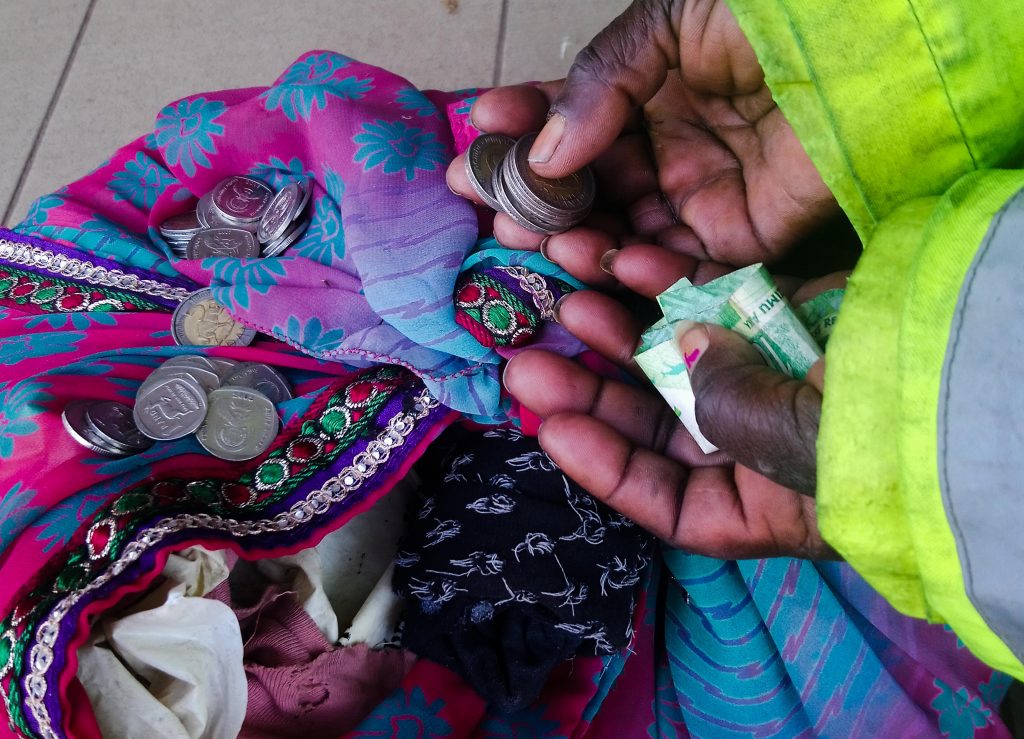
As the year progresses, many individuals and families in South Africa find themselves grappling with a familiar financial reality. The initial enthusiasm for budgeting and saving that often accompanies the new year begins to wane as various costs mount. School fees loom, winter expenses approach, and the relentless rise in transport costs adds to the financial strain. This period can be particularly challenging, as small, recurring expenses often erode discipline more effectively than a single large financial burden. In the midst of this, the concept of stokvels emerges as a vital financial lifeline for many South Africans, offering both a solution and a sense of community.
Stokvels, a traditional form of savings club, have deep roots in South African culture. They are more than just a savings tool; they represent a collective approach to financial discipline and accountability. In a landscape where individual financial resolutions can easily falter, the power of community-driven saving becomes increasingly apparent. The stokvel system fosters shared responsibility, transforming personal financial goals into a collective mission, which can be particularly beneficial during times of economic pressure.
The essence of a stokvel lies in its structure. Members come together to contribute agreed-upon amounts regularly, creating a pool of funds that can be accessed by members for various purposes, such as schooling or emergencies. This collective approach not only provides immediate financial relief but also reinforces the discipline required to save consistently.
Research from the fields of Behavioral Economics and Social Psychology supports the notion that people are often more successful in maintaining financial discipline when they operate as part of a group. This is rooted in our inherent social nature. Humans thrive on cooperation and community, and this shared identity often motivates individuals to uphold their commitments. Stokvels harness this natural inclination by creating a framework where accountability is paramount, ensuring that members prioritize their contributions even in financially strained periods.
As the year progresses into its second quarter, the financial demands on households often increase significantly. The burden of school fees, coupled with rising prices for essentials and seasonal expenses, can lead to a sense of financial sacrifice. For many South Africans, participating in a stokvel becomes not just beneficial but essential. These groups provide a support system that helps members maintain their financial discipline, even when external pressures mount.
The impact of stokvels extends far beyond individual members. The scale of their activity is significant, with estimates suggesting that there are over 119,000 stokvel groups in South Africa, encompassing more than 358,000 participants on platforms like FNB’s digital stokvel service. Collectively, these groups are contributing billions in savings and inflows, illustrating the strength and relevance of this financial ecosystem. The consistent contributions of stokvel members reflect not only their participation but also a commitment to long-term financial health.
Key takeaways from the success of stokvels include the importance of community in fostering financial discipline, the effectiveness of collective accountability in achieving individual goals, and the significant economic impact that these groups can have on local communities.
For traders and investors, understanding the dynamics of stokvels can offer insights into consumer behavior and community-driven initiatives. As these groups grow and formalize, they represent a burgeoning market with considerable potential for financial products and services tailored to their needs. By recognizing the role of collective saving in fostering financial stability, investors can identify opportunities to support and engage with these communities, whether through technology platforms or local financial services.
In conclusion, as South Africans navigate the complexities of personal finance, stokvels stand out as a beacon of hope and resilience. They embody the spirit of collective strength, transforming individual financial goals into shared accomplishments. In a world where financial pressures can feel overwhelming, the stokvel model offers a proven strategy for maintaining discipline and achieving financial ambitions. By embracing this collective approach, communities can not only survive but thrive, reinforcing the importance of solidarity in financial endeavors.