
The global natural gas market is facing unprecedented challenges, primarily driven by geopolitical tensions and climatic shifts. As the Strait of Hormuz remains largely closed, traders and analysts are keenly observing two critical factors: the demand landscape in China and the potential effects of weather anomalies. With summer forecasts indicating heightened temperatures across Asia and the looming influence of an El Niño event, the dynamics of liquefied natural gas (LNG) could shift dramatically. This blog post delves into these complexities, examining their implications for the global energy market.
Over the past several months, the closure of the Strait of Hormuz—a vital conduit for a significant portion of the world’s LNG—has created an environment of uncertainty. This waterway is essential for transporting gas from the Middle East, and its disruption has already impacted approximately 20% of the global LNG supply. However, unlike previous energy crises that saw immediate price surges, the current situation reveals a more nuanced reality, largely influenced by the demand from China, the world’s largest LNG consumer.
In March and April, China’s LNG imports fell sharply, which counterbalanced the supply disruptions caused by the geopolitical strife in the Middle East. As analysts have noted, the full ramifications of the Strait’s closure may not have been fully realized yet, primarily because the market was in a transitional phase with lower seasonal demand. Saul Kavonic, an energy analyst at MST Marquee, highlights that if the Strait remains closed, we could witness LNG prices surge by as much as 50% by August. This potential spike underscores the fragility of the market and the intricate interplay between supply and demand.
The current trading landscape is also witnessing a shift in LNG flows. In the past, Europe was the primary destination for LNG shipments, especially as countries sought to compensate for reduced gas supplies from Russia. However, recent trends indicate a pivot towards Asia, where buyers are increasingly willing to pay premium prices. Data shows that LNG deliveries to Europe have declined by over 10% year-on-year, and some shipments originally destined for European ports are now being redirected to Asian markets. This change raises the stakes for European countries, who must bolster their inventories in preparation for the winter months.
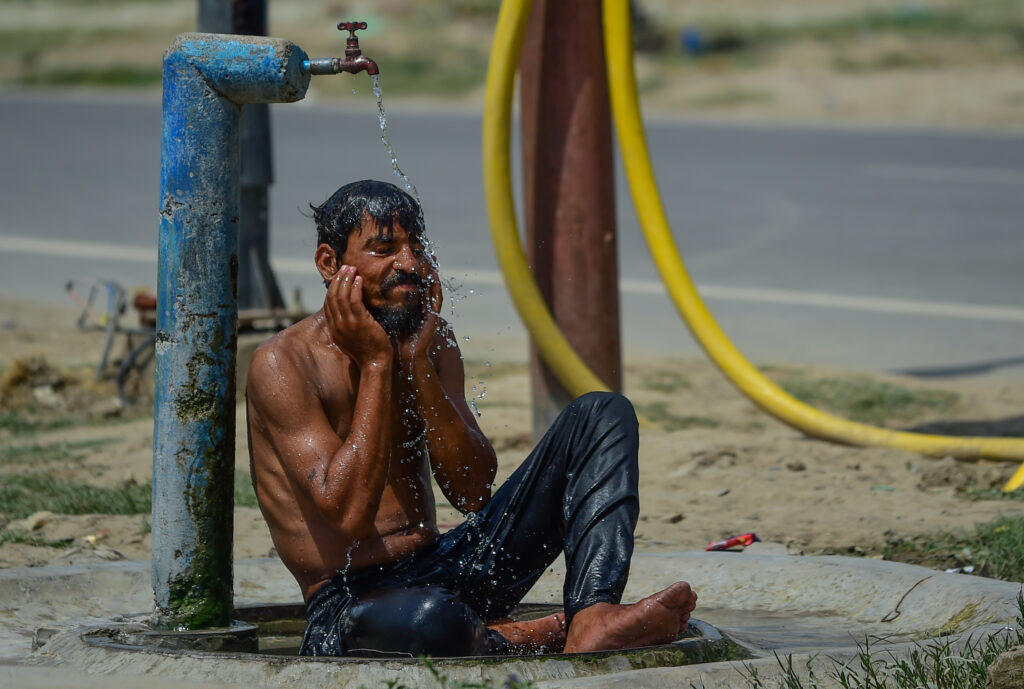
Compounding these challenges is the anticipated emergence of an El Niño weather pattern, which is expected to take shape between June and August and could strengthen in the subsequent months. El Niño is characterized by warmer sea surface temperatures in the equatorial Pacific and has historically been linked to significant climate shifts around the globe. The expected hotter weather across East Asia raises concerns about increased energy consumption for air conditioning and the subsequent strain on power grids, which are already under pressure from elevated energy prices.
Meteorological forecasts suggest that the summer temperatures in East Asia could exceed historical averages by considerable margins. For instance, Japan is projected to experience temperatures approximately 1.5°C above normal, while parts of South Korea and China may see increases ranging from 0.5°C to 1°C. Such temperature anomalies are likely to drive up demand for natural gas, particularly in China, which could further intensify competition for LNG in a market already facing supply constraints.
Furthermore, the effects of El Niño are not confined to Asia. In South America, particularly Colombia, the phenomenon is expected to diminish hydropower generation due to drier conditions, consequently boosting LNG import demand. This scenario coincides with Argentina’s increasing heating needs during the Southern Hemisphere’s winter, creating an additional layer of complexity for global gas traders.
Key takeaways from this evolving situation include the following:
1. **Geopolitical Tensions**: The ongoing closure of the Strait of Hormuz highlights the vulnerabilities in global gas supply chains and the potential for price volatility.
2. **Demand Dynamics**: China’s fluctuating LNG imports play a significant role in shaping the global market, with any resurgence in demand potentially leading to fierce competition for available supplies.
3. **Weather Patterns**: The anticipated impacts of El Niño could exacerbate existing energy demands, particularly in Asia and South America, further complicating the global LNG landscape.
4. **Market Shifts**: The redirection of LNG flows from Europe to Asia indicates a fundamental shift in market dynamics, with implications for pricing and supply strategies.
For traders and investors, these developments signal a need for vigilance and adaptability. Understanding the intricate relationships between geopolitical factors, climate trends, and market demands will be crucial for navigating the potentially volatile LNG market in the coming months. As the situation evolves, staying informed and responsive will be key strategies for successfully capitalizing on the opportunities and mitigating the risks that lie ahead.
In conclusion, the global gas market is at a critical juncture, influenced by both human and environmental factors. As the world watches the unfolding events in the Strait of Hormuz and anticipates the effects of El Niño, stakeholders in the energy sector must remain agile, prepared for rapid changes that could alter the landscape of natural gas trading in profound ways.