
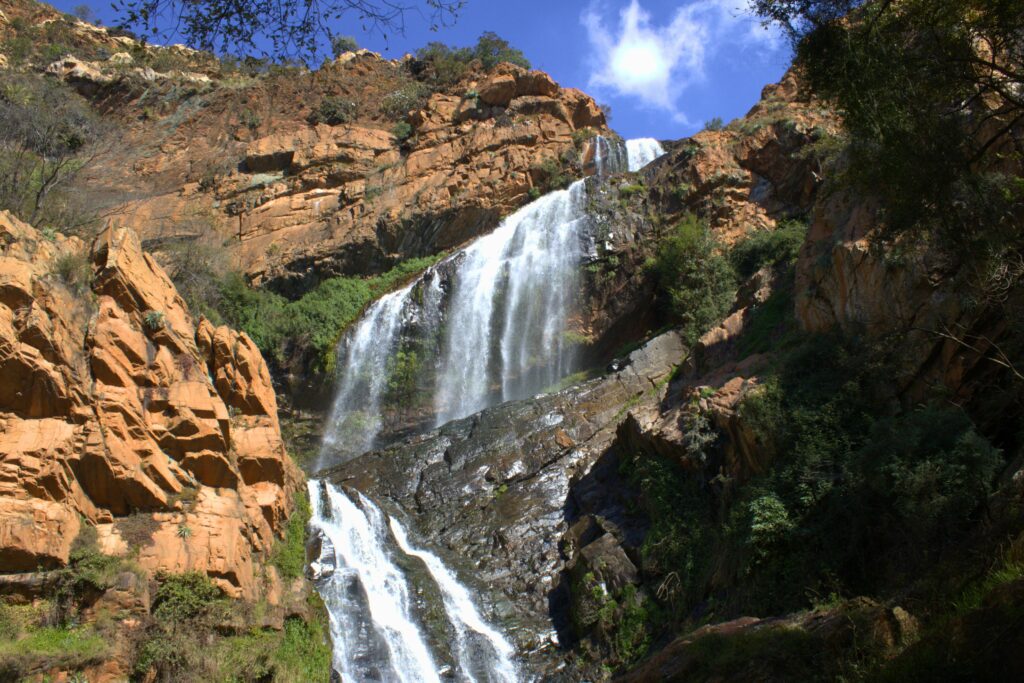
In a world where environmental challenges grow increasingly complex, the story of the Roodekrans Neighbourhood Watch serves as a beacon of hope and resilience. For nearly a decade, this dedicated group has been combatting pollution and sewage spills in their local waterway, Muldersdrift se Loop, demonstrating the power of community action in safeguarding natural resources. Their journey not only highlights the importance of environmental stewardship but also reflects the essential role that residents can play in ensuring the health of their ecosystems.
Muldersdrift se Loop is more than just a stream; it is a vital artery that sustains diverse wildlife and plants, including the majestic black eagle and the critically endangered Albertina Sisulu Orchid. Originating near Krugersdorp and flowing through the picturesque Walter Sisulu National Botanical Garden, this waterway ultimately feeds into the upper Crocodile River network. However, its proximity to sewer lines from the City of Johannesburg and the Mogale City Local Municipality has made it highly susceptible to contamination, raising concerns about public health and environmental integrity.
The chairperson of the Roodekrans Neighbourhood Watch, Andreas Oberlechner, champions the cause of protecting water resources with the same fervor that society applies to the safety of people and property. His conviction stems from witnessing first-hand the degradation of the stream due to sewage spills, a problem that has long plagued the area. According to a report from Mogale City, the loop has become a victim of inadequate infrastructure, posing significant risks not only to the surrounding ecosystem but also to the health of the community.
The partnership formed between the Roodekrans Neighbourhood Watch and the Walter Sisulu National Botanical Garden has been transformative. Andrew Hankey, the garden’s principal horticulturist, notes a marked improvement in the river’s health since the neighbourhood watch began its patrols. Prior to their efforts, the botanical garden faced frequent sewage crises, with water quality fluctuating due to leaks from nearby residential areas. The bureaucratic red tape often delayed repairs, leaving the garden to grapple with the repercussions of upstream negligence.
One of the key strategies employed by the neighbourhood watch has been to GPS-map every manhole along the stream. This initiative has significantly alleviated confusion regarding jurisdiction between the two municipalities, which often led to delays in addressing sewage leaks. By clearly identifying the location of each manhole and the responsible municipality, the Roodekrans Neighbourhood Watch has ensured more prompt responses to environmental hazards. Regular patrols and monitoring of the river and adjacent sewage infrastructure allow members to report issues directly to Johannesburg Water and Mogale City, thus holding local authorities accountable.
The impact of these efforts cannot be overstated. Oberlechner highlights the unfortunate reality that sewage leaks have become commonplace in South Africa, leading many to accept them as an unfortunate part of life. However, he and his team refuse to normalize this pollution, advocating instead for immediate action whenever a leak occurs. Through rigorous engagement with water authorities, they have fostered a culture of responsiveness that prioritizes the health of the river.
The botanical garden has also taken proactive measures by conducting daily dissolved oxygen readings in the river. These readings serve as an early warning system; a sudden drop in oxygen levels can signal upstream pollution, prompting immediate alerts to Oberlechner and his team. If a leak is detected, Oberlechner meticulously documents and shares the information, ensuring that no issue goes unaddressed.
For traders and investors looking to understand the broader implications of community-led environmental initiatives, the Roodekrans Neighbourhood Watch exemplifies how local action can lead to significant ecological improvements. As consumers increasingly prioritize sustainability, businesses that engage in or support environmental stewardship may find themselves at a competitive advantage. The success of such grassroots movements highlights the potential for investment in community engagement and environmental health initiatives to yield long-term benefits.
In conclusion, the diligent work of the Roodekrans Neighbourhood Watch underscores the profound impact that local activism can have on environmental preservation. Their commitment to monitoring and addressing pollution in Muldersdrift se Loop serves as a powerful reminder that protecting our natural resources requires collective effort and vigilance. As communities around the world face environmental challenges, the story of Roodekrans inspires hope and action, illustrating that when individuals come together for a common cause, they can effect meaningful change.