
In a move that has sent ripples through the South African financial landscape, the South African Reserve Bank (SARB) has announced an increase in interest rates, raising them by 25 basis points to 10.50%. This decision is not merely a footnote in economic reports; rather, it marks a significant shift in the financial environment for millions of South Africans. As global tensions escalate and inflationary pressures mount, the implications of this rate hike are far-reaching, affecting everything from home loans to everyday living expenses.
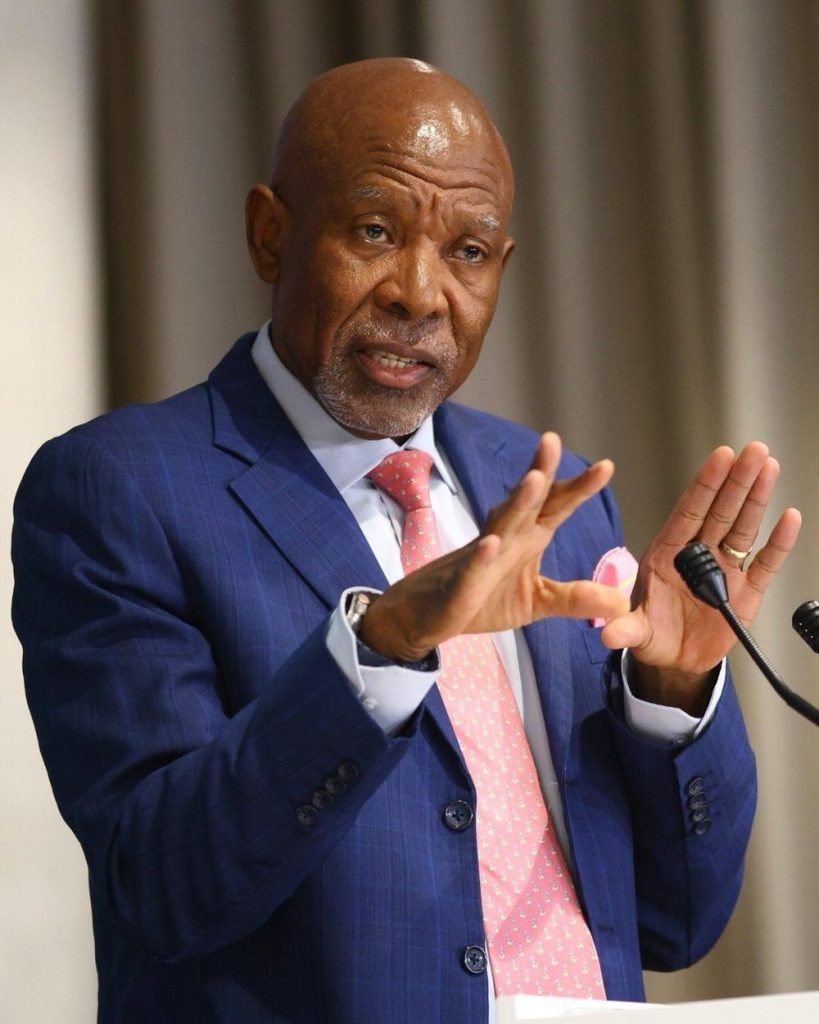
The backdrop to this decision is a complicated geopolitical climate, particularly the ongoing conflict in the Middle East, which has led to rising oil prices—tipping as high as $120 a barrel. Lesetja Kganyago, the Governor of the SARB, expressed concerns that the economic environment has fundamentally changed since the last Monetary Policy Committee meeting held in March. Notably, households are feeling the financial squeeze, with projections indicating an increase of up to R400 per month for those carrying significant debt. For a household with an average debt of R1.55 million, this translates into a substantial impact on monthly budgets.
This interest rate hike is indicative of a broader trend among central banks worldwide, many of which are expected to follow suit in raising their own rates. Governor Kganyago highlighted the interplay between international geopolitical events and domestic economic indicators, including climate-related challenges such as flooding in Cape Town, which could further weigh on growth prospects. While inflation expectations have risen to 4.4% for the year, particularly driven by food prices, Kganyago maintains that South Africa’s economic fundamentals remain robust.
Key takeaways from the SARB’s recent decision include the potential for increased living costs across various sectors. For instance, the prime interest rate now stands at 10.50%, affecting not only home loans but also car financing and credit card repayments. The increase may seem marginal on paper, but for many households, it can mean an additional R400 in monthly expenses. This is particularly concerning for those already facing financial strain; the combination of higher interest rates and rising costs of living can create a perfect storm for families trying to make ends meet.
Experts have weighed in on the implications of this rate hike. Lerato Ntuli from Anchor Capital has warned that inflation risks remain skewed to the upside, especially in light of the ongoing geopolitical strife affecting global oil prices. She cautioned that the prolonged conflict could keep fuel costs elevated, which would inevitably trickle down to consumers in the form of higher transport and energy expenses.
Economists like Lara Hodes of Investec had anticipated the rate increase, suggesting that the SARB was acting pre-emptively to prevent inflationary pressures from becoming entrenched. Hodes noted that the central bank’s move was a necessary step to mitigate any second-round effects stemming from rising oil prices. Similarly, Kristof Kruger from Prescient Securities acknowledged that market participants had already anticipated this increase, with many now focused on future guidance from the Reserve Bank regarding potential further tightening of monetary policy.
The implications of a sustained higher interest rate environment are multifaceted. On one hand, it could help bolster the value of the rand and reduce imported inflation risks linked to fuel and energy prices, as stated by Harry Scherzer from Future Forex. On the other hand, concerns persist regarding the potential negative impacts on consumer spending and investment. Samuel Seeff from Seeff Property Group has urged the Reserve Bank to reconsider any further rate hikes, arguing that recent inflation trends warrant a more cautious approach.
For traders and investors, navigating this evolving landscape requires vigilance and strategic planning. The current environment presents both challenges and opportunities. Those with exposure to debt instruments may need to reassess their portfolios in light of rising borrowing costs, while investors in energy and commodities might find new avenues for growth as global prices fluctuate.
In conclusion, the SARB’s decision to raise interest rates reflects a complex interplay of domestic and international factors that warrant attention from consumers and investors alike. As households brace for increased costs and market participants adjust their strategies, the importance of understanding the economic landscape has never been more critical. With ongoing geopolitical tensions and inflationary pressures at the forefront, staying informed and agile will be key for thriving in this higher-for-longer interest rate environment.