
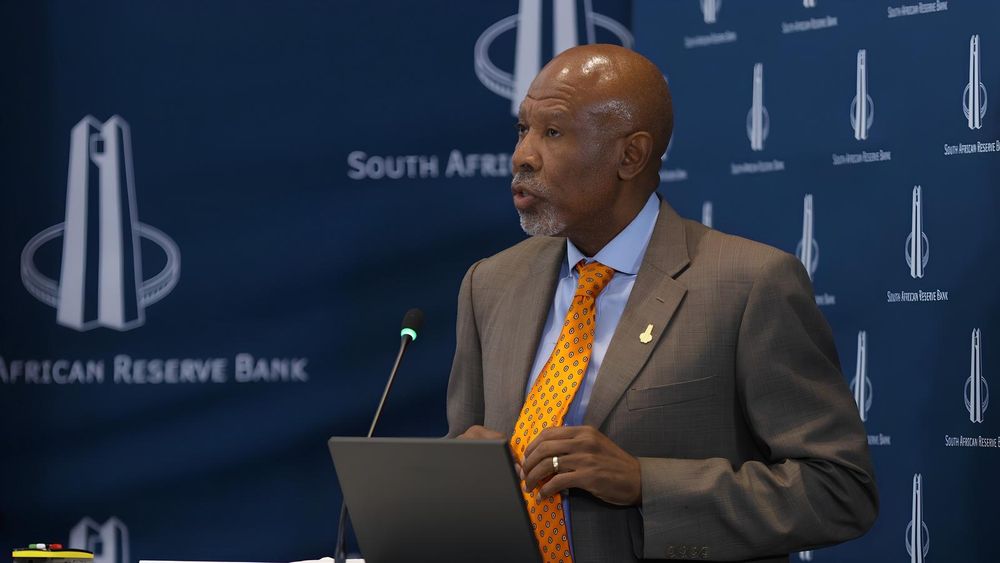
In a landscape where economic pressures seem to compound daily, South Africa stands at a critical juncture as the South African Reserve Bank (SARB) prepares to announce a potential interest rate increase. Amidst rising living costs, stagnant wages, and growing debt, the financial well-being of ordinary citizens hangs in the balance. As the SARB’s decision approaches, the implications for both consumers and investors warrant a closer examination.
The current economic climate in South Africa is characterized by multiple stressors affecting consumers. With the headline inflation rate recently reaching 4%—the highest it has been in 19 months—and forecasts predicting it could rise to approximately 4.6% in May, the outlook appears grim. Economists widely anticipate that the SARB will raise interest rates by 25 basis points, which would elevate the prime lending rate from 10.25% to 10.50%. This potential increase represents a significant financial hurdle for South Africans who are already feeling the squeeze.
The data leading up to this pivotal moment reveals a troubling narrative for households across the nation. Many higher-income earners are now spending over their monthly salaries just to manage existing debt obligations. This predicament has occurred as the purchasing power of wages has dwindled, hitting its lowest level in two years. Coupled with soaring prices for essentials such as food, fuel, and electricity, and an unemployment rate exceeding 32%, the financial pressures on South African families are profound.
The DebtBusters Debt Index for the first quarter of 2026 highlights the severity of the situation. It shows that consumers earning more than R50,000 monthly are now dedicating a staggering 101% of their take-home pay to debt service. This alarming figure underscores a growing crisis where individuals are compelled to neglect debt repayments just to afford basic necessities like food and water. Benay Sager, DebtBusters’ executive head, noted that while previous interest rate cuts and access to retirement savings had temporarily alleviated some financial burdens, the resurgence of inflation—partly fueled by international conflicts and rising oil prices—has intensified the strain.
An even more concerning trend is the increasing dependence on unsecured lending as a survival mechanism. According to recent statistics, 96% of individuals seeking debt counseling now possess a personal loan, while 61% have taken out payday loans or one-month loans. The average number of credit agreements per applicant has surged to 8.5, the highest level seen since 2017. This trend indicates a troubling reliance on multiple lenders, signaling that many are turning to high-interest loans to make ends meet.
Interestingly, while debt levels among higher-income households have skyrocketed, the situation for lower-income consumers presents a different picture. DebtBusters reports a decline in debt levels among lower-income individuals—by about 25%. However, this decline is primarily attributed to the fact that many have lost access to credit entirely, leaving them with fewer financial options.
For traders and investors, the implications of these economic conditions cannot be overstated. The anticipated interest rate hike may lead to increased borrowing costs, which could dampen consumer spending further and potentially slow economic growth. Investors should closely monitor the SARB’s announcement and its potential impact on consumer sentiment and spending habits. Additionally, sectors heavily reliant on consumer spending, such as retail and services, may face headwinds if household financial pressures continue to mount.
As the SARB prepares to unveil its decision, it is essential for both consumers and investors to remain vigilant. Understanding the broader economic context and the interconnectedness of debt, interest rates, and inflation will be crucial for navigating this challenging financial landscape.
In conclusion, South Africa finds itself at a critical crossroads as economic pressures continue to mount. The impending interest rate hike by the SARB could exacerbate existing financial woes for households already grappling with rising costs and stagnant wages. For individuals, the focus should remain on prudent financial management and debt awareness. For investors, keeping a close eye on consumer trends and adjusting strategies accordingly will be key to weathering the storm ahead. As the financial landscape evolves, adaptability and informed decision-making will be essential for all stakeholders involved.