
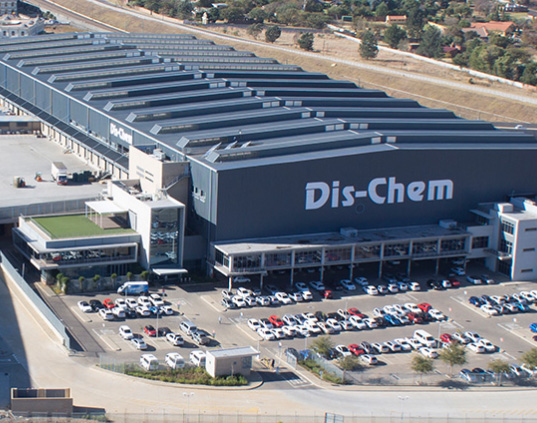
Dis-Chem, a prominent player in the pharmacy and healthcare sector, recently released its annual financial results for the year ending February 28, 2023, revealing a significant downturn in earnings that has sparked concerns among investors and analysts alike. Following the announcement, the company’s stock faced a sharp decline, closing nearly 8% lower, which reflects the market’s reaction to disappointing performance metrics. In this blog post, we will delve into the key aspects of Dis-Chem’s financial results, what they mean for investors, and the company’s strategic outlook in a challenging economic climate.
The latest earnings report from Dis-Chem highlighted a 17% drop in headline earnings per share (Heps), falling from 137.5 cents in the previous year to 113.7 cents. This decline, coupled with a drastic reduction in dividend payouts—down nearly 43% year-on-year—has raised red flags for stakeholders who had anticipated more robust growth. The final dividend declared was just 15.92 cents per share, and the total dividend for the year was over 17% lower than in the previous period. Such a downturn in earnings is particularly concerning given the backdrop of rising operational costs and a tough consumer environment.
Despite the earnings setback, Dis-Chem reported an impressive revenue growth of 9.3%, totaling R42.8 billion. This increase was supported by a retail revenue rise of 9%, with comparable pharmacy store revenue growing by 5.3%. Notably, the company expanded its retail footprint, adding 31 new pharmacy stores while closing three baby stores, resulting in a total of 316 retail pharmacy locations and 42 baby stores at the end of the financial year. This strategic expansion is part of Dis-Chem’s effort to enhance its market presence and cater to consumer demands.
A noteworthy initiative contributing to Dis-Chem’s revenue performance is its Better Rewards program. Launched 17 weeks prior to the earnings announcement, this loyalty program reportedly drove a 9.6% revenue increase compared to the same period last year. Participating brands in the program saw a retail revenue growth of 12%, indicating that customer engagement strategies are proving effective, even in a challenging market. Dis-Chem’s management emphasized that the consistency of offering an affordable, health-relevant product mix is enhancing shopping frequency, which could bode well for future earnings.
However, the financial report also outlined rising expenses, which surged by 13% during the review period. Factors contributing to this increase include store expansion and innovation investments, which caused retail expenses to rise by 15.7%. Additionally, the costs associated with retail employment rose significantly, excluding investments made in the company’s innovation labs. This rise in operating costs amid revenue growth raises questions about the company’s ability to maintain profitability going forward.
Looking ahead, Dis-Chem’s management expressed cautious optimism. They highlighted the positive impact of the Better Rewards program on revenue growth and market share gains, suggesting that these factors could lead to improved operational leverage and strong earnings growth in the future. However, they also alerted stakeholders to the ongoing economic challenges, including rising fuel prices and a constrained consumer environment, which may continue to affect overall consumer spending in the healthcare and pharmacy sectors.
For traders and investors, the recent earnings report serves as a critical reminder of the importance of monitoring both financial performance and broader economic indicators. With Dis-Chem’s stock price dropping sharply, it may present a buying opportunity for those who believe in the long-term potential of the company’s growth strategies. However, investors should approach with caution, taking into account the potential risks posed by economic headwinds and rising operational costs.
In conclusion, while Dis-Chem’s recent financial results paint a mixed picture, with a decline in earnings overshadowing notable revenue growth, the company’s strategic initiatives and market positioning indicate potential for recovery. Investors should remain vigilant, evaluating the effectiveness of the Better Rewards program, the impact of rising expenses on profitability, and the overall economic landscape. As the company navigates these challenges, its ability to adapt and innovate will be crucial in determining its future success in the competitive pharmacy and healthcare sector.