
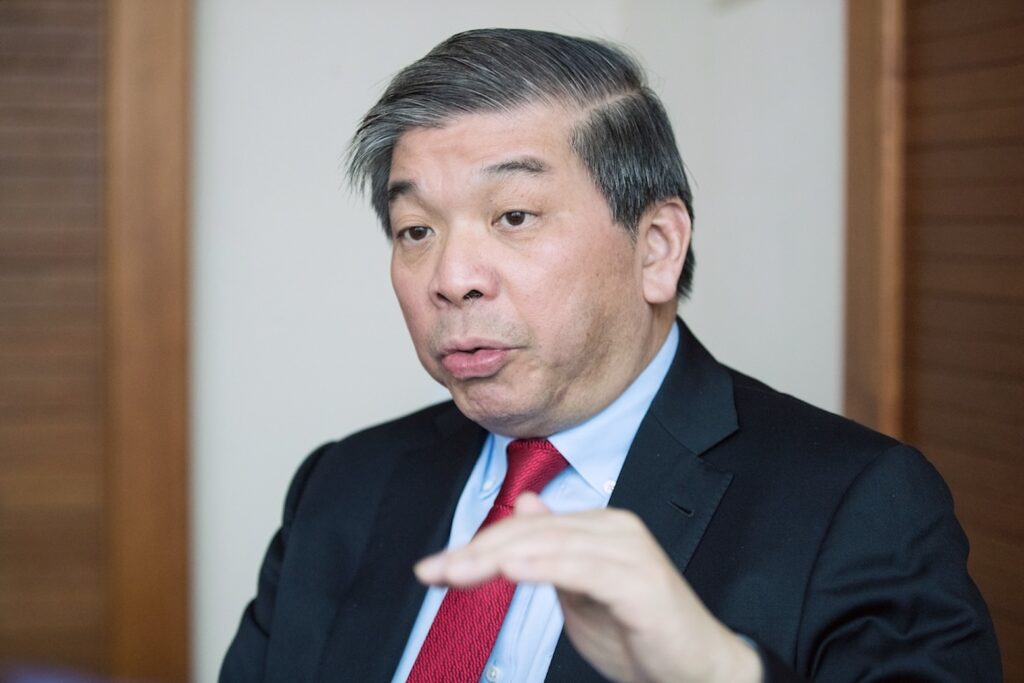
In a significant development that has sent shockwaves through Singapore’s maritime industry, Teo Siong Seng, a prominent shipping magnate and CEO of Singamas Container Holdings Ltd., has found himself embroiled in a serious antitrust case initiated by the United States government. Accused of colluding to artificially inflate prices of dry shipping containers, Teo’s indictment highlights not only the challenges facing one of Singapore’s key economic sectors but also raises questions about corporate governance and ethical practices within the industry.
As the shipping industry continues to grapple with the aftereffects of the pandemic and ongoing supply chain disruptions, this legal battle could have profound implications for both local and international markets.
The heart of the indictment revolves around allegations that Teo and several executives from four of the world’s largest shipping container manufacturers engaged in a global conspiracy that impacted billions of dollars in trade. The US Department of Justice unveiled the indictment earlier this year, outlining a scheme that purportedly began in 2019 and extended to at least 2024. This alleged collusion involved restricting production outputs through quotas and implementing penalties for exceeding those limits—practices that could severely distort market dynamics and consumer pricing.
Teo, who has played a pivotal role in shaping Singapore’s maritime landscape, is accused of being a key player in this conspiracy. The indictment claims that he was briefed on plans to limit production prior to a significant meeting held in Shanghai in December 2019, where industry leaders convened to discuss the future of container shipping. Following this meeting, a formal agreement among the alleged conspirators was purportedly established, with efforts made to conceal their coordinated actions from regulatory authorities.
The fallout from this case is particularly concerning given Singapore’s reputation as a leading global shipping hub. Over the past decade, the city-state has faced increased scrutiny in light of various corporate scandals, including high-profile cases of financial misconduct and corruption. For instance, the founder of Hin Leong Trading Pte was sentenced to prison for hiding substantial losses from banks, and Seatrium Ltd. recently settled a lengthy corruption investigation in Brazil for a staggering $241 million.
In response to the indictment, Teo has announced a temporary leave of absence from his various roles, including positions with the Singapore Business Federation, the Singapore Economic Resilience Taskforce, and government agency Enterprise Singapore. These steps underscore the gravity of the situation and the potential ramifications for his business and Singapore’s maritime sector as a whole.
Key points to consider in this unfolding situation include the following:
1. **Market Integrity**: The allegations against Teo and his co-defendants raise critical questions about market integrity and the ethical responsibilities of corporate leaders. Collusion of this nature undermines fair competition, potentially leading to higher costs for consumers and businesses alike.
2. **Impact on Employment and Investment**: As a key player in Singapore’s economy, the shipping industry contributes significantly to job creation and investment opportunities. Prolonged legal battles and negative publicity could jeopardize investor confidence and disrupt employment within the sector.
3. **Regulatory Scrutiny**: This case may prompt further investigations into other companies within Singapore’s maritime industry and lead to stricter regulatory oversight aimed at preventing similar incidents in the future.
For traders and investors, the unfolding legal drama surrounding Teo Siong Seng serves as a stark reminder of the risks associated with corporate governance failures. Those who have invested in shipping companies or related sectors should remain vigilant and consider diversifying their portfolios to mitigate risks linked to regulatory actions or reputational damage stemming from the case.
In conclusion, the antitrust indictment against Teo Siong Seng is more than just a legal matter; it is a pivotal moment for Singapore’s maritime sector, one that could redefine industry practices and governance standards. As the case progresses, stakeholders will be closely monitoring developments, particularly in terms of the broader implications for corporate behavior and regulatory frameworks in the shipping industry. The outcome could set a precedent that resonates far beyond Singapore, impacting international trade and maritime operations around the world.