
As winter unfolds in Zimbabwe, the vibrant hues of nature contrast starkly with the challenges facing its agricultural landscape. While the sunbirds flit about, feasting on the bright flowers, the human stories beneath the surface tell a more complex and troubling tale. The agricultural sector, once a pillar of the economy, now grapples with systematic issues that threaten its very foundation. This blog post delves into the current state of Zimbabwean agriculture, highlighting the importance of sustainable practices, the impact of land policies, and the implications for both local farmers and international investors.
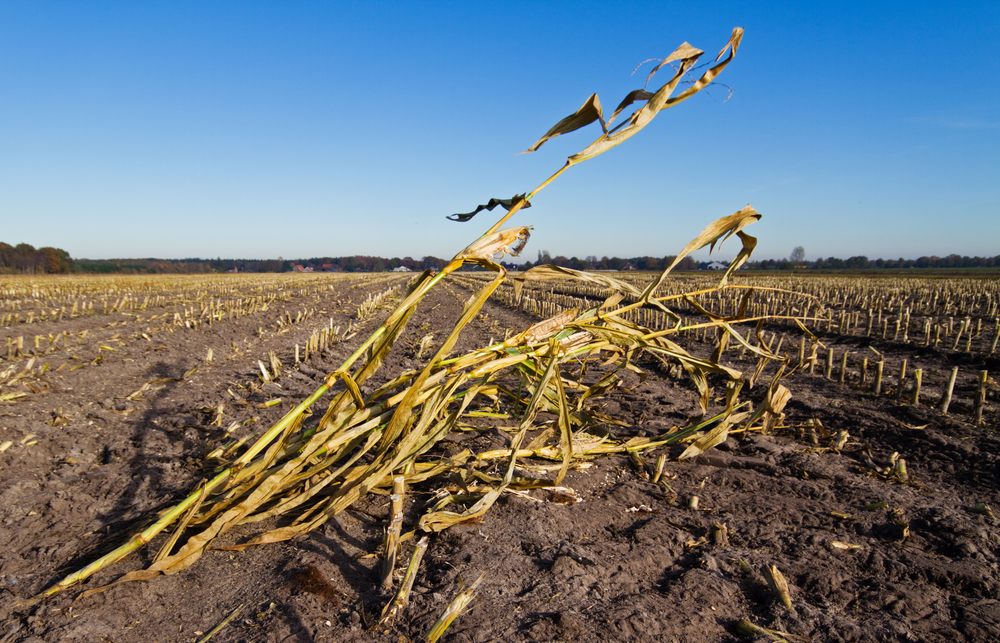
The agricultural scene in Zimbabwe during this picturesque season is both beautiful and bittersweet. The Msasa trees are laden with pods, signaling the potential for a bountiful harvest. However, what was once an industrious community now lies quiet in many residential areas. A few weeks prior, the streets were alive with the sounds of farmers harvesting maize from their roadside plots, a crucial source of sustenance for many households. The sight of discarded maize remnants, left to decompose or burn, raises concerns about food waste and resource management.
For many farmers, the maize residue, known locally as mashanga, was not merely waste; it was a vital resource for livestock feed during the dry season. In the past, farmers would carefully gather this byproduct, ensuring that nothing went to waste. The memories of cattle eagerly awaiting access to the fields post-harvest serve as a reminder of the importance of efficient agricultural practices and resource utilization.
Yet, amid these agricultural memories lies a troubling reality. Recent reports indicate that local authorities are beginning to sell land previously occupied by resettled farmers, evicting them from properties they were assigned after government-led land reforms. This unsettling development raises serious questions about the sustainability of Zimbabwe’s agricultural policies and the security of land tenure for farmers. The cycle of evictions and resettlements has created an environment of uncertainty, where promises made by authorities seem increasingly hollow.
Key Points to Consider:
1. **Resource Management**: The effective use of agricultural byproducts like mashanga is crucial for sustainability. Farmers need to prioritize practices that minimize waste and maximize resource use.
2. **Land Tenure Security**: The ongoing issues with land ownership in Zimbabwe highlight the need for a stable and transparent policy framework that protects the rights of farmers and ensures food security.
3. **Community Engagement**: Engaging local communities in decision-making processes regarding land use and agricultural practices can help create more sustainable and equitable systems.
4. **Investment Opportunities**: For potential investors, understanding the local agricultural landscape and the challenges faced by farmers is essential. While there are risks, there are also opportunities for innovative solutions that can support sustainable practices.
For traders and investors, the current agricultural climate in Zimbabwe offers a mix of caution and opportunity. The challenges of land tenure and resource management may deter some; however, those willing to look beyond the surface may find avenues for investment that support local farmers and promote sustainable practices. Collaborating with local stakeholders to address these issues can lead to mutually beneficial outcomes, fostering resilience in the agricultural sector.
As we reflect on the state of Zimbabwe’s agriculture, it is clear that the path forward will require a concerted effort from all involved—farmers, policymakers, and investors alike. By prioritizing sustainable practices and ensuring land tenure security, Zimbabwe can work towards rebuilding its agricultural foundation.
In conclusion, the picturesque winter landscape of Zimbabwe serves as both a reminder of the country’s natural beauty and the pressing challenges faced by its agricultural sector. From the vibrant sunbirds to the quiet streets, the stories of resilience and struggle intertwine. It is crucial for all stakeholders to engage in meaningful dialogue and action to ensure a sustainable future for agriculture in Zimbabwe, one that honors the past while paving the way for a more secure and prosperous tomorrow.