
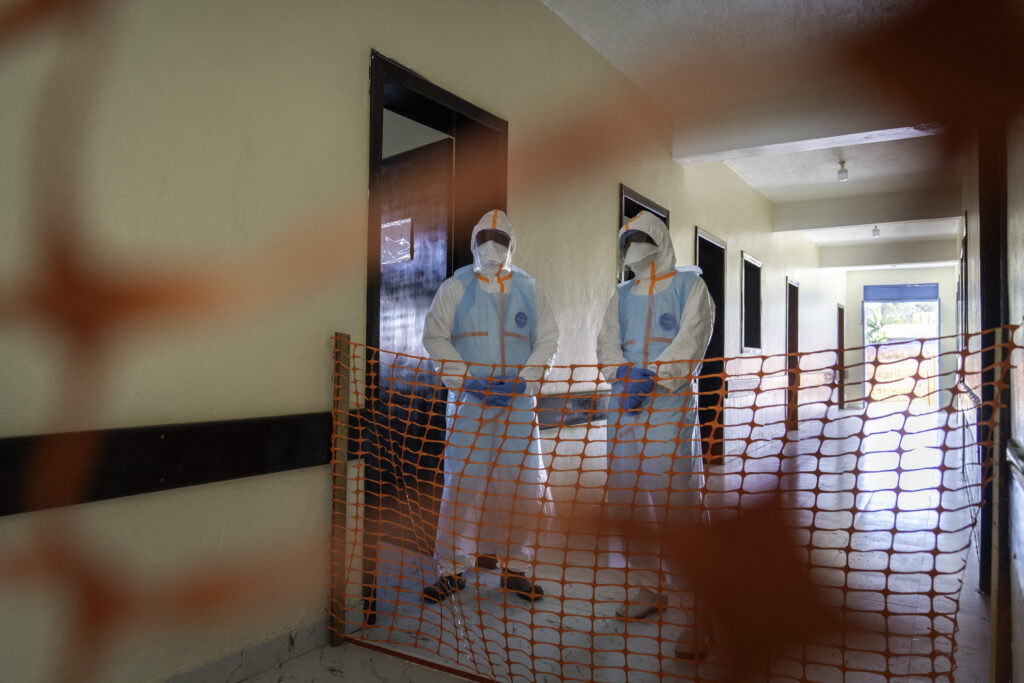
The rising tide of health crises often takes a toll on vulnerable regions, and currently, eastern Congo is grappling with a significant Ebola outbreak that has become alarmingly complex. As health authorities race against time to contain the virus, the interplay of conflict, distrust, and inadequate resources is posing challenges that could determine the fate of countless lives. This blog post delves into the current situation in Congo, the factors contributing to the outbreak’s severity, and the essential role of community cooperation in addressing this pressing health emergency.
The situation in eastern Congo has escalated dramatically, with reports indicating that the Ebola outbreak has now affected 22 health zones across three provinces, an increase from just 13 zones a few days prior. This surge has raised questions about the true scale of the epidemic, as health officials work to clear testing backlogs and reclassify numerous suspected cases. The complexity of the outbreak is underscored by the fact that it is unfolding in a region rife with armed conflict, mass displacement, and a fragile health infrastructure.
At the center of this outbreak is the Bundibugyo strain of the Ebola virus, which currently lacks an approved vaccine or effective treatment options. This strain has not only led to a surge of infections within Congo but has also crossed borders, infecting individuals in neighboring Uganda. The rapid expansion of the outbreak has prompted health authorities to emphasize the critical importance of community trust and cooperation in their response efforts. A joint statement from the Congolese government and the World Health Organization (WHO) captured this sentiment, noting that the success of containment strategies hinges on engaging local communities and fostering leadership at the grassroots level.
As of the latest reports, Congo has documented a total of 282 confirmed cases and 42 deaths attributed to the outbreak. Notably, on a single day, 19 new confirmed infections were recorded. This alarming pace of transmission has raised concerns among health responders, who are struggling to track the virus’s transmission chains effectively. Currently, the contact follow-up rates stand at a mere 45%, highlighting the difficulties faced in identifying potentially exposed individuals in a region characterized by insecurity and frequent population movements. These challenges are exacerbated by families refusing to allow diagnostic testing on deceased relatives, compounding the obstacles that health officials must navigate.
The ongoing outbreak has also revealed stark resource shortages that further undermine response efforts. Reports indicate that some suspected patients have fled hospitals due to inadequate nutritional support, while others have escaped isolation facilities amidst a backdrop of insufficient medicines and protective equipment. The situation is particularly dire in areas such as Mongbwalu, the outbreak’s point of origin, where multiple armed groups operate and community trust appears to be in short supply.
Another layer of complexity arises from the nature of the Bundibugyo strain itself. Early symptoms can mimic those of common illnesses such as malaria and typhoid, leading to difficulties in early detection and prevention. Health officials have warned that the virus may have been circulating for weeks before being confirmed through laboratory testing, which underscores the importance of robust surveillance systems and rapid response mechanisms.
Key takeaways from this ongoing crisis highlight the interplay between health infrastructure, community engagement, and resource availability. The outbreak in eastern Congo serves as a stark reminder of how health crises can be exacerbated by underlying socio-political issues and distrust within communities. The need for a coordinated response that prioritizes local involvement cannot be overstated; without it, the path to containment remains fraught with challenges.
For traders and investors, the implications of such health crises are multifaceted. The potential for economic disruption in the region could impact various sectors, including agriculture, trade, and tourism. Additionally, companies involved in healthcare and pharmaceuticals may find opportunities for growth in response to the urgent need for vaccines and treatments. Understanding the broader context of public health challenges can provide key insights into market fluctuations and investment strategies.
In conclusion, the Ebola outbreak in eastern Congo is a complex crisis that underscores the critical intersections between health, trust, and community engagement. As health authorities work tirelessly to contain the virus, the lessons learned from this situation will be vital in addressing future health emergencies. The role of community cooperation cannot be overstated, as it will ultimately dictate the success of containment efforts and the well-being of affected populations. As we continue to monitor this evolving situation, it is imperative to remain aware of the broader implications for public health and economic stability in the region.