
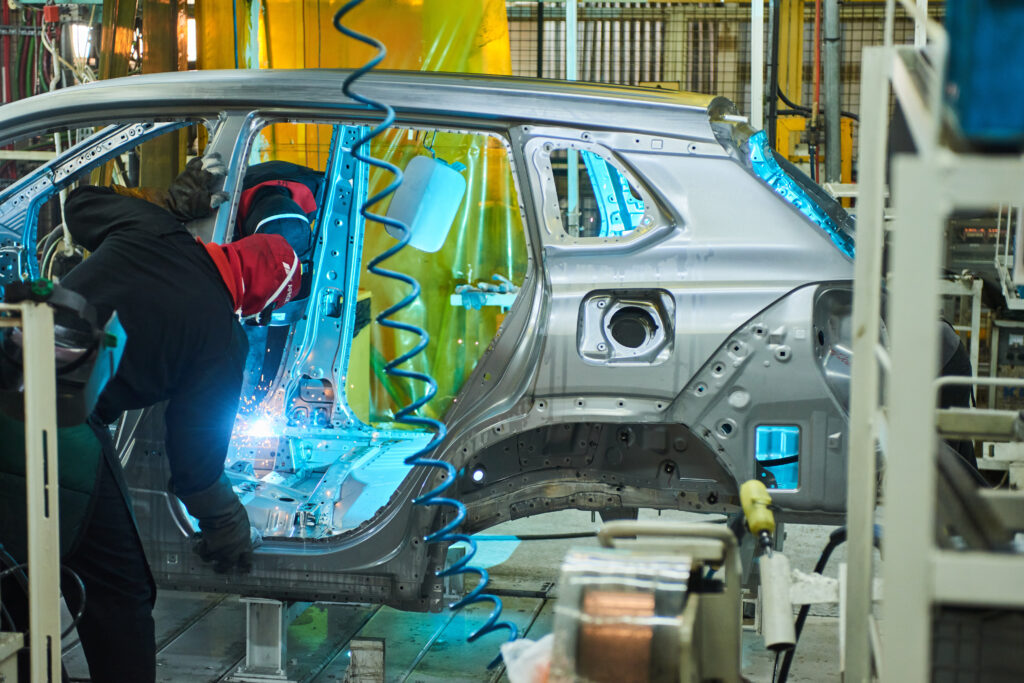
In recent weeks, South Africa’s manufacturing sector has experienced a slight decline in sentiment, raising concerns about the future of this critical industry. As global events unfold, particularly the ongoing conflict in Iran, local manufacturers are feeling the effects of reduced demand and supply chain disruptions. This blog post delves into the current state of manufacturing in South Africa, examining the factors contributing to this downturn and what it means for investors and traders in the region.
The Absa Group’s Purchasing Managers’ Index (PMI), a key indicator of manufacturing activity, revealed that the index fell to 50.8 in May from 52.6 in April. Although the PMI remained above the neutral 50-point mark for the second consecutive month, indicating a level of expansion, the decline signals underlying issues that could affect the industry moving forward. According to the Bureau for Economic Research, the drop in sentiment is primarily attributed to a notable decrease in demand and business activity.
One of the critical factors influencing this downturn is the anticipation of rising costs, which pushed manufacturers to bring forward demand in April. However, this trend appears to have waned in May, with many respondents expressing concern that the current weakness in demand may persist in the months ahead. As the global economy grapples with inflationary pressures, South Africa’s manufacturing sector is not immune to these challenges.
A recent report highlighted that producer inflation surged to a record high in April, driven by escalating costs of fertilizers and energy linked to the Iran conflict. The war has disrupted essential energy flows through the Strait of Hormuz, a crucial passage for liquefied natural gas, oil, and fertilizers. This situation has led to increased prices across various sectors, further straining the manufacturing industry.
The PMI data reveals concerning trends, particularly in the business activity sub-index, which plummeted to a six-month low of 43.5 in May from 52.8 in April. Additionally, the new sales gauge experienced a similar decline, falling to 44.6 from 52.9. These figures highlight the challenges faced by manufacturers as they navigate a complex and evolving economic landscape.
On a more positive note, there is a glimmer of hope as expected business conditions for the next six months increased to 52.9 from 47.4, suggesting that purchasing managers are optimistic about a potential recovery by year-end. This optimism may be crucial for investors and traders, as it indicates that while current conditions are challenging, there may be opportunities for growth and recovery in the near future.
Key points to consider regarding South Africa’s manufacturing sentiment include the following:
1. **Current Sentiment**: The PMI decline reflects reduced demand and business activity, emphasizing the need for manufacturers to adapt to changing market conditions.
2. **Global Influences**: The Iran conflict and its impact on global supply chains continue to affect South African manufacturers, contributing to rising costs and inflationary pressures.
3. **Future Outlook**: Despite current challenges, purchasing managers express cautious optimism about business conditions improving later in the year.
For traders and investors, these developments present both challenges and opportunities. The decline in sentiment may signal a short-term adjustment period for the manufacturing sector, which could lead to fluctuations in stock prices related to manufacturing firms. However, the anticipated recovery in business conditions could provide a buying opportunity for those looking to invest in undervalued stocks within this sector.
In conclusion, South Africa’s manufacturing sector is navigating a complex landscape marked by global disruptions and local economic challenges. While the recent decline in sentiment raises concerns, the potential for recovery later in the year offers hope for investors and traders alike. As the situation evolves, staying informed and adaptable will be crucial for those engaged in the South African manufacturing market. The coming months will be pivotal in determining whether the optimism expressed by purchasing managers will translate into tangible improvements for the industry’s future.