
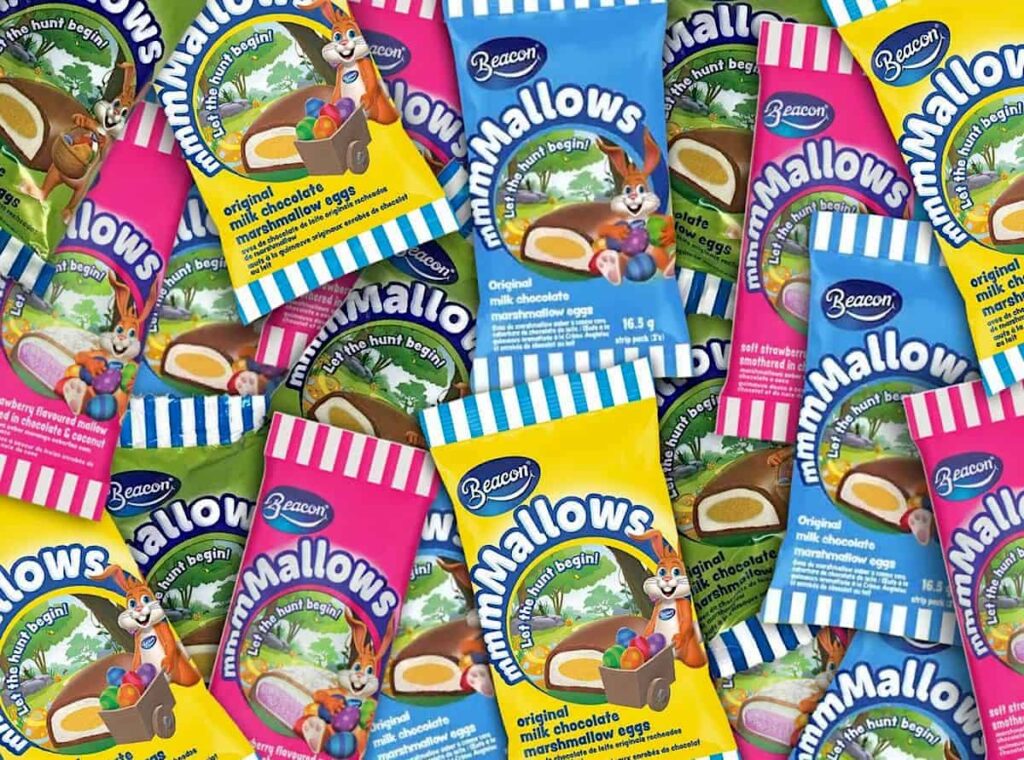
In a significant move to streamline its operations and enhance its profitability, Tiger Brands has announced the sale of its well-known Beacon Easter eggs and chocolate slabs businesses, alongside the Beacon brand itself. This decision is part of a broader strategy implemented by CEO Tjaart Kruger, aimed at refining the company’s portfolio after a comprehensive two-year review. While the specific buyer remains undisclosed, the company has reported an impairment of R92 million from this transaction, indicating the financial complexities involved in such a divestiture.
As Tiger Brands navigates the rapidly evolving confectionery market, the sale of the Beacon brand highlights a strategic shift in focus toward more lucrative and sustainable segments. This decision, while significant, is not unexpected given the historical context and market dynamics surrounding the brand.
Understanding the Decision to Divest
The Beacon brand, a staple of South African confectionery for 95 years, was initially incorporated into Tiger Brands when the company acquired a 50% stake in 1990, later taking full ownership in 1998. Despite its long-standing presence in the market, the brand’s performance has waned in recent years, particularly in comparison to competitors such as Cadbury (Mondelēz) and Nestlé. Kruger noted that the chocolate manufacturing equipment used by Beacon had not been updated in over three decades, making it increasingly expensive to maintain production standards that could compete effectively in today’s market.
The decision to part with Beacon is also influenced by the seasonal nature of Easter egg sales, which raises concerns about consistent revenue generation. In a bid to focus on products that contribute meaningfully to the bottom line, Tiger Brands will retain its other successful snack lines, including the TV Bar, Nosh, Wonder Bar, and Jungle energy bar. These brands have shown strong performance, thereby supporting the company’s “snackification” growth strategy.
Key Takeaways from Tiger Brands’ Portfolio Shake-Up
1. **Strategic Focus on Core Brands**: By divesting from less profitable segments, Tiger Brands is concentrating its efforts on brands that are not only profitable but also align with broader consumer trends towards snacking and convenience.
2. **Operational Efficiency**: The consolidation of manufacturing sites in Durban underscores the company’s commitment to operational efficiency. By reducing the number of facilities involved in production, Tiger Brands aims to streamline operations, reduce costs, and enhance margins.
3. **Long-Term Viability**: The sale of the Beacon brand, while a financial decision in the short term, is part of a long-term strategy to ensure that Tiger Brands remains competitive in an industry that demands innovation and adaptability.
4. **Historical Context**: Understanding the legacy of brands like Beacon provides insight into the challenges that established companies face when market dynamics shift. The decision to sell reflects a willingness to evolve and adapt, even if it means letting go of historic brands.
Insights for Traders and Investors
For traders and investors observing the confectionery sector, Tiger Brands’ recent moves may signal both opportunities and risks. The divestiture of the Beacon brand could be viewed as a positive step toward enhancing shareholder value, particularly if it leads to improved operational efficiency and profitability in the remaining product lines. Investors should consider how the consolidation of manufacturing sites will impact costs and margins in the near term, as well as the potential for new product innovations that align with consumer trends.
Moreover, the focus on “snackification” indicates a broader industry trend that could benefit companies aligning with similar strategies. As consumers increasingly seek convenient and enjoyable snack options, companies that can anticipate and respond to these demands may find themselves in a stronger market position.
Conclusion
In conclusion, Tiger Brands’ sale of the Beacon brand represents a pivotal moment in the company’s ongoing evolution. By divesting from non-core products and focusing on high-performing brands, Tiger Brands is positioning itself for sustained growth in a competitive market. While the decision comes with its share of financial implications, the underlying strategy reflects a proactive approach to remaining relevant and profitable in an ever-changing consumer landscape. As the company continues to navigate these changes, stakeholders will be watching closely for signs of improved performance and strategic innovation in the months to come.