
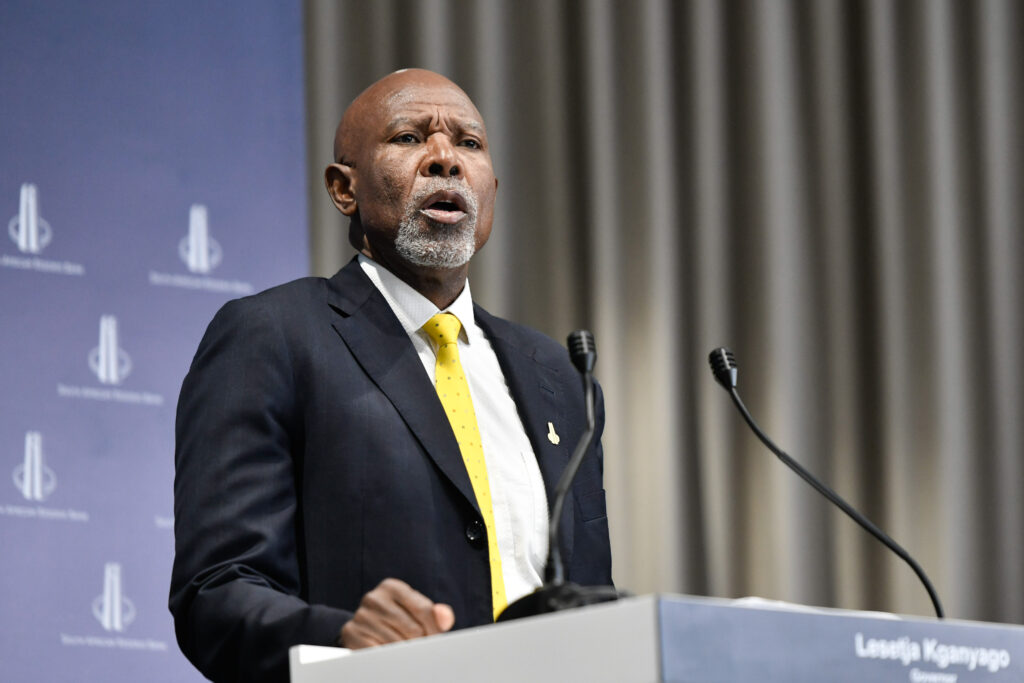
In a world marked by economic uncertainty, inflation remains a pressing concern for nations globally. South Africa, like many countries, is grappling with rising inflation rates, exacerbated by external factors such as geopolitical conflicts. Recently, Lesetja Kganyago, the Governor of the South African Reserve Bank (SARB), addressed this issue with a firm commitment to returning the inflation rate to the bank’s target of 3%. His statements came amid rising energy prices linked to ongoing conflicts, particularly the war in Iran, which has presented significant challenges for the country’s economy.
Kganyago’s remarks, delivered at a conference hosted by the Bureau for Economic Research in Johannesburg, underscore the central bank’s resolve to maintain price stability. He emphasized, “Let there be no doubt, the South African Reserve Bank will be getting inflation back down to 3%.” This pledge highlights the central bank’s dedication to its mandate and its track record of meeting inflation targets. The challenge now lies in navigating the turbulent waters of global economic conditions and domestic pressures.
The SARB recently raised interest rates for the first time in three years, increasing the benchmark rate by 25 basis points to 7%. This decision reflects the bank’s response to intensifying inflationary pressures that have surged since the onset of the Iran war. Rising energy prices have been a significant contributor, prompting policymakers to consider further tightening of monetary policy. Kganyago noted that while the bank cannot predict the exact path of future rate adjustments, the objective remains clear: to keep inflation in check.
Understanding the dynamics of inflation is crucial for investors and traders alike. Inflation erodes purchasing power and can lead to increased costs for businesses and consumers. As inflation rates drift away from the targeted 3%, the repercussions are felt across various sectors of the economy. The SARB has projected that inflation could reach as high as 4.9% by the third quarter of the year, primarily driven by soaring energy costs and rising gasoline prices, which are expected to hit record highs. The rollback of temporary relief measures by the government has further compounded the situation, leaving consumers vulnerable to rising fuel costs.
One notable aspect of the SARB’s strategy is its commitment to a more stringent inflation target. Last year, the central bank adopted a 3% inflation goal, moving away from the previous range of 3% to 6%. This shift was designed to instill greater confidence in monetary policy and has been credited with lowering government borrowing costs. Kganyago articulated the importance of this target reform, suggesting that it has provided South Africa with a more stable economic environment despite external challenges. He stated, “Target reform has been one of the big wins for South Africa recently.”
For traders and investors, this evolving economic landscape presents both challenges and opportunities. The SARB’s policy decisions signal a proactive approach to managing inflation, which can influence market sentiment and investment strategies. As interest rates rise, bond yields may also increase, potentially attracting investors seeking fixed-income opportunities. Conversely, higher borrowing costs can dampen consumer spending and corporate investments, which could lead to slower economic growth.
Key takeaways from Kganyago’s address include the following:
1. **Central Bank Commitment**: The SARB is dedicated to returning inflation to the 3% target, despite external pressures.
2. **Interest Rate Hikes**: The recent increase in interest rates represents a significant step in addressing inflationary concerns.
3. **Energy Prices and Inflation**: Rising energy costs are the primary drivers behind current inflation levels, warranting close monitoring by investors.
4. **Target Reform**: The shift to a 3% inflation target has been beneficial for South Africa, leading to lower government borrowing costs and increased economic stability.
As the global economy continues to face uncertainties, South Africa’s approach to inflation will be watched closely by analysts and investors. The SARB’s commitment to maintaining a controlled inflation rate is a crucial factor in ensuring economic resilience. In conclusion, while challenges remain, the central bank’s strategy to address inflation could pave the way for a more stable economic future. Investors should remain vigilant, adapting their strategies to the evolving landscape while keeping an eye on the SARB’s policy decisions.