
In recent financial developments, emerging market currencies outside of Asia have shown signs of strength, largely influenced by geopolitical events in the Middle East and their subsequent impact on oil prices. This shift in market sentiment is not just a fleeting moment; it reflects a broader trend where geopolitical tensions can significantly sway currency valuations and investor behavior. As we delve deeper into the dynamics at play, it becomes evident how intertwined global events can shape local economic landscapes.
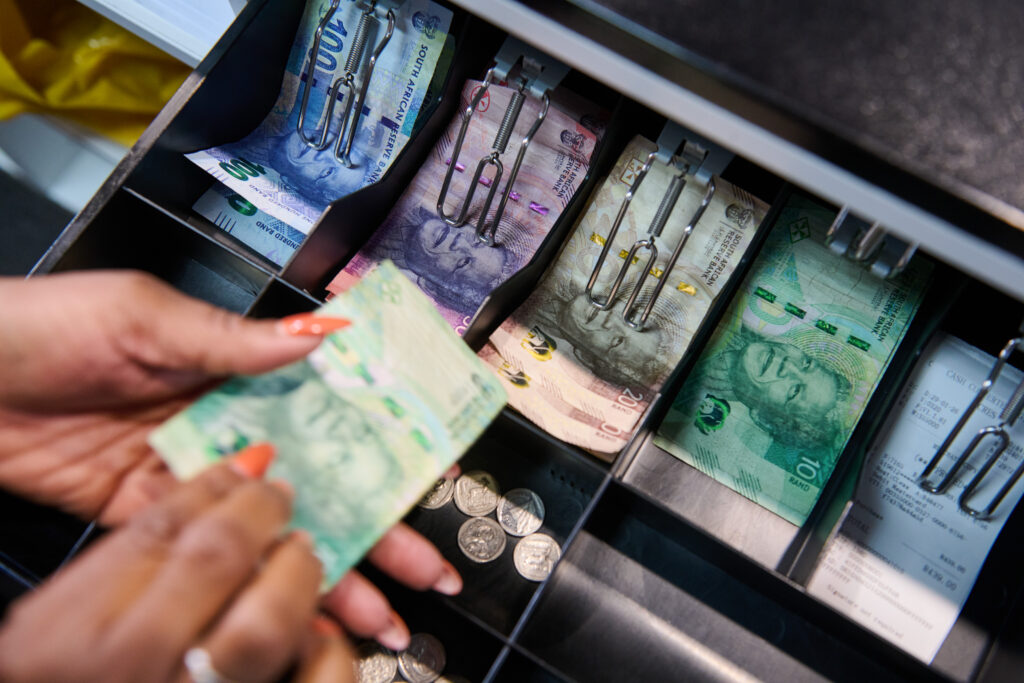
The catalyst for this surge in emerging market currencies can be traced back to diplomatic efforts aimed at alleviating tensions in the Middle East. As news of potential agreements surfaced, oil prices began to decline, which in turn bolstered risk appetites among investors. Among the currencies that saw notable appreciation was the South African rand, which was buoyed by positive signals from the South African Reserve Bank. Governor Lesetja Kganyago indicated a commitment to bringing the inflation rate back down to the official target of 3%. This promise of stabilization comes after the country recently increased borrowing costs for the first time in three years, raising rates by 25 basis points to 7% in response to escalating inflationary pressures, partly attributed to the geopolitical turmoil surrounding the Iranian conflict.
The strengthening of other currencies, such as the Hungarian forint and the Mexican peso, has also been observed. According to Piotr Matys, a strategist at In Touch Capital Markets, the improved market sentiment is a direct result of these diplomatic efforts and the supportive comments from the South African central bank. This suggests that investors are increasingly looking for signals of economic stability and growth potential in emerging markets, especially in times of global uncertainty.
Turning our attention to Asia, the Chinese yuan has climbed to its highest value in nearly four years against a basket of trading-partner currencies, illustrating the yuan’s resilience amidst global market fluctuations. However, it’s noteworthy that the MSCI Emerging Markets currency index experienced a slight decline of 0.2%, indicating that while some currencies thrived, others faced challenges.
Another interesting development is occurring in Zambia, where the government is attempting to buy back its 2053 dollar bonds. The bonds have recently traded at around 81 cents on the dollar, marking a post-restructuring high that suggests increased investor confidence, despite opposition from a group of bondholders against the government’s repurchase offer. This scenario exemplifies the complexities that can arise in emerging markets, where governmental actions and investor responses can significantly influence market dynamics.
In the equities market, there has been a notable upward trend, particularly driven by gains in Asian technology stocks. The MSCI index saw a 0.9% increase on a recent Tuesday, culminating in a three-day gain of 3.7%. This rally underscores the importance of sector-specific performance in driving overall market sentiment and highlights how technology continues to play a pivotal role in shaping investor confidence and market trajectories.
Key takeaways from these developments include the significance of geopolitical events in influencing market sentiment and currency valuations, the critical role of central banks in managing inflation and economic stability, and the ongoing volatility in emerging markets that can create both opportunities and challenges for investors. The ability to navigate these complexities requires a keen understanding of local and global economic conditions, as well as an awareness of how diplomatic actions can ripple through financial markets.
For traders and investors, these trends emphasize the importance of remaining agile and informed. The interplay between geopolitical tensions and economic policies can present unique investment opportunities, particularly in emerging markets where valuations may be more volatile and responsive to global events. A focus on sound fundamental analysis and an awareness of political developments can aid in making informed decisions.
In conclusion, the recent uptick in emerging market currencies is a reminder of the intricate connections between global events and local economies. As geopolitical tensions ebb and flow, and as central banks respond to inflationary pressures, investors must remain vigilant and adapt their strategies accordingly. The interplay of diplomacy and economic policy will continue to shape market landscapes, providing both risks and opportunities for those willing to engage with them.