
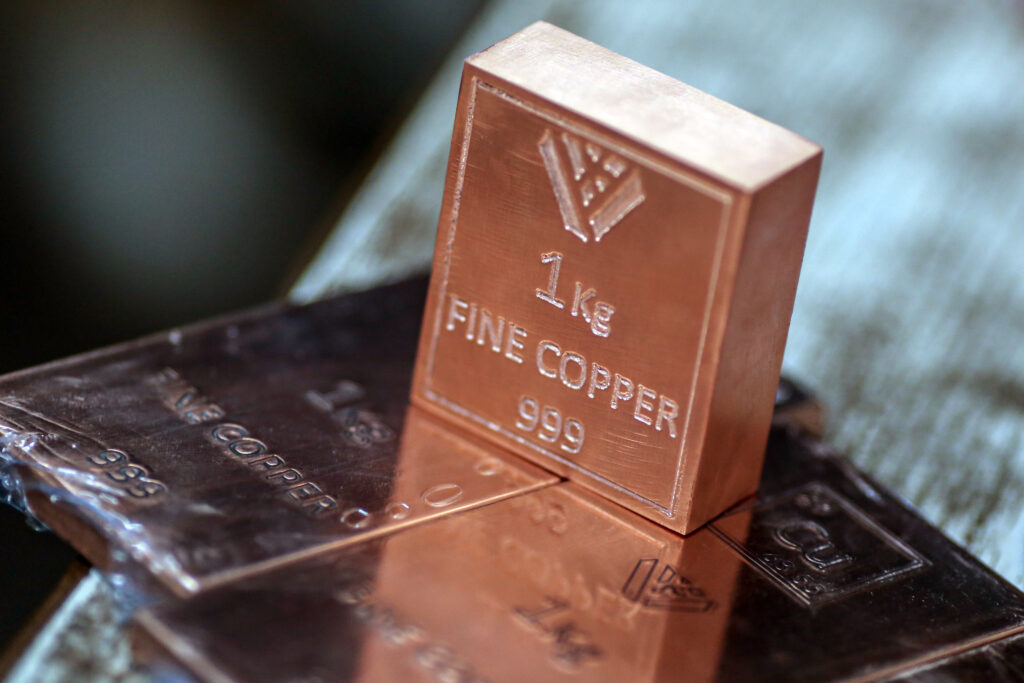
As the global economy continues to navigate a complex landscape marked by geopolitical conflicts and economic uncertainties, the copper market has recently experienced significant fluctuations. Following a three-week high, copper prices have taken a downward turn, driven by concerns surrounding the ongoing war in Iran and what it means for global supply and demand dynamics. In this blog post, we will delve into the factors influencing copper prices, assess the implications of geopolitical tensions, and offer insights for traders and investors keen on understanding this critical industrial metal.
Copper, often referred to as “the red metal,” is a bellwether for economic activity due to its extensive use in construction, electronics, and manufacturing. Recently, copper futures for three-month delivery on the London Metal Exchange fell below the $14,000 per ton mark, a notable decline after a 3% increase during the early part of the week. This decline can be attributed to heightened pessimism regarding a resolution to the ongoing conflict in the Middle East, particularly the war in Iran.
The situation has escalated, with reports of increased military strikes impacting regional stability. Notably, an Iranian attack on Kuwait and subsequent U.S. military actions targeting Qeshm Island have exacerbated tensions. This environment of uncertainty has prompted traders to reassess their expectations for future demand for industrial metals, including copper. As fears of sustained conflict loom, the prospect of inflationary pressures has also increased, leading to speculation about potential interest rate hikes. Such moves by central banks to combat inflation could dampen demand for copper, further impacting its pricing trajectory.
In addition to geopolitical factors, the copper market is bracing for a pivotal decision from the U.S. administration regarding tariffs on copper imports. Traders are on high alert as the potential for these duties could reshape the supply landscape, especially given the recent surge in domestic stockpiles of copper. An increase in stock levels often indicates a slowdown in demand, thereby tightening other markets and influencing pricing decisions.
As of the latest trading data, copper prices dipped by 0.9%, settling at $13,916 per ton on the London Metal Exchange after reaching a high of $14,040.50 earlier in the week, the most substantial price point seen since mid-May. In contrast to copper, aluminum prices have remained relatively stable, holding near a four-year high at approximately $3,742.50 per ton. The stability in aluminum prices can be attributed to supply disruptions in the Gulf region, which have further tightened the global market for this essential metal.
Key Points to Consider:
1. Geopolitical tensions in the Middle East are directly affecting copper prices, as traders react to the uncertainty surrounding the Iran war.
2. Potential U.S. tariffs on copper imports could further influence the supply-demand dynamics, highlighting the importance of monitoring political developments.
3. Stockpiles of copper in the U.S. have surged, indicating a potential slowdown in demand, which could lead to price adjustments.
4. The aluminum market remains relatively unaffected for now, demonstrating how different metals can respond to geopolitical events and supply chain disruptions in unique ways.
For traders and investors, the current landscape presents both challenges and opportunities. Understanding the intricate relationship between geopolitical events and market dynamics is crucial for making informed decisions. Investors should consider diversifying their portfolios to manage risks associated with market volatility, especially in sectors heavily reliant on copper and other industrial metals. Additionally, keeping an eye on tariff developments and inventory levels will be essential for anticipating price movements in the coming weeks.
In conclusion, the copper market is at a crossroads, shaped by a confluence of geopolitical tensions, economic pressures, and potential policy changes. As prices fluctuate due to these factors, both traders and investors must remain vigilant and adaptable. By staying informed and responsive to the evolving landscape, they can navigate the complexities of the copper market and position themselves for potential gains in the future.